Top 30 Best Mountain Towns in Colorado Ranked
One question our platform gets asked more than almost any other is some version of this, “Which mountain town should I visit?”
After polling thousands of residents across the state, from longtime locals to people who relocated here specifically for the mountains, clear winners emerged.

Unsurprisingly, Coloradans have strong opinions.. They tend to favor towns that still feel like towns, places with genuine community, local businesses, and outdoor access that hasn’t been completely swallowed up by resorts.
The rankings below reflect what the majority of Coloradans say when asked which mountain towns in the state are the best.
Here are the 30 top mountain towns in Colorado:
30: Vail
Vail is one of the most well-known ski destinations in the world, and the resort itself is massive. Over 5,300 acres of skiable terrain across the front side and the legendary Back Bowls (my personal favorites).
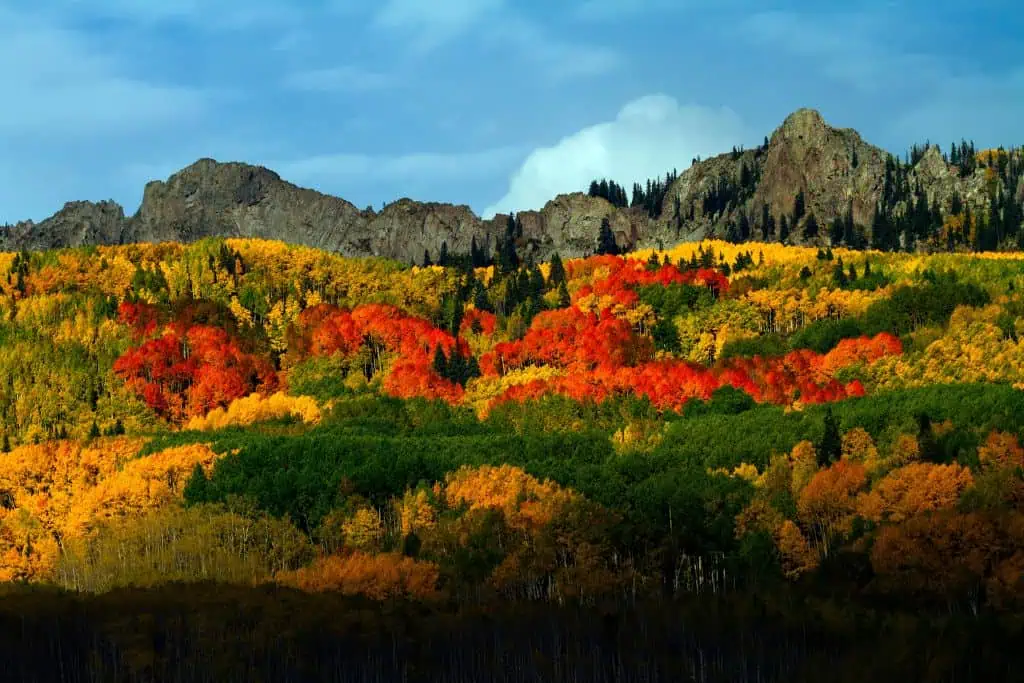
When Coloradans talk about their favorite mountain towns, Vail rarely appers at the top of the list. It’s one of the most expensive places to live in the state, and the town itself can feel more like a luxury shopping mall than a mountain community.
Of course, the European-style village is beautiful, but it was purpose-built as a resort, and that’s how it feels.
If you visit in the summer, the Betty Ford Alpine Gardens are worth a stop. It’s the highest botanical garden in North America, and it’s free. You can also find more than 60 public art installations scattered around the village.
Vail is an incredible ski experience, and you should do it at least once. But as a town, Coloradans will tell you it doesn’t have the soul that the places higher on this list do.
Where To Stay
29: IDAHO SPRINGS
Idaho Springs is probably the most accessible mountain town in the state. It’s about 30 miles west of Denver on I-70, which makes it an easy day trip, but that’s also the reason a lot of people just drive right through it on their way to the more popular towns.
But that’s a mistake. The historic downtown has mining-era character, and the Indian Hot Springs have been drawing people here for over a hundred years.
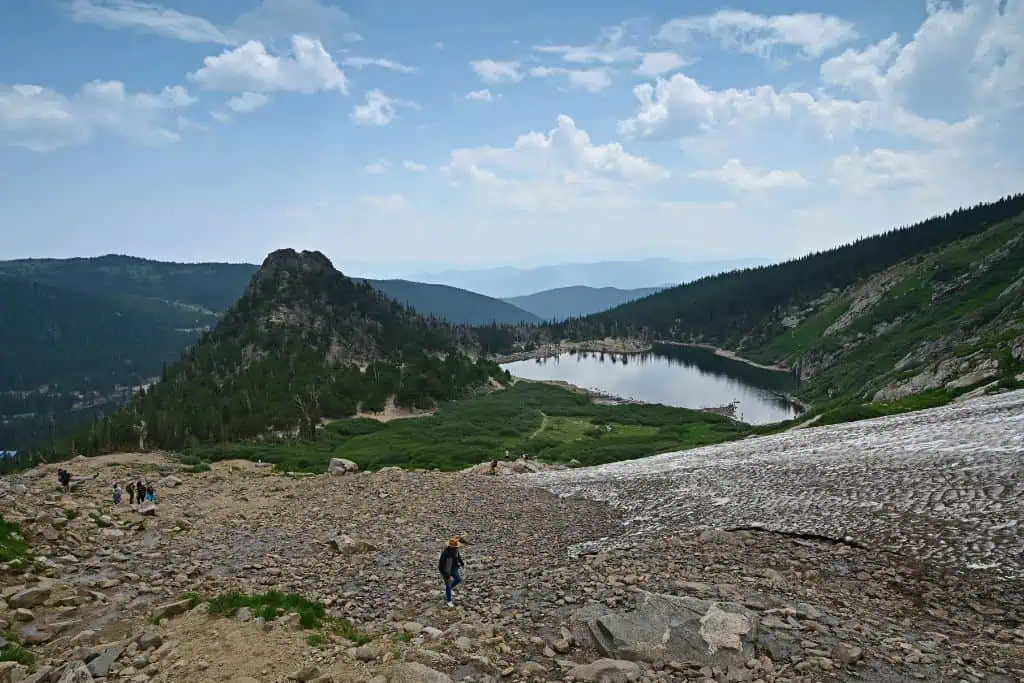
The Ute and Arapaho tribes originally used these springs as neutral ground, and you can still soak in the baths today.
Idaho Springs won’t blow your mind the way some of the towns higher on this list will. But if you’re looking for something quick and affordable without a 6 hour drive, this is a good option.
Where To Stay
28: WINTER PARK
Winter Park flies under the radar compared to the bigger-name resorts, and a lot of Coloradans prefer it that way.
It’s a major ski destination, close to Denver, and the snow here is (typically) ridiculously consistent, averaging around 345 inches a year, and the terrain covers everything from beginner groomers to advanced lines.
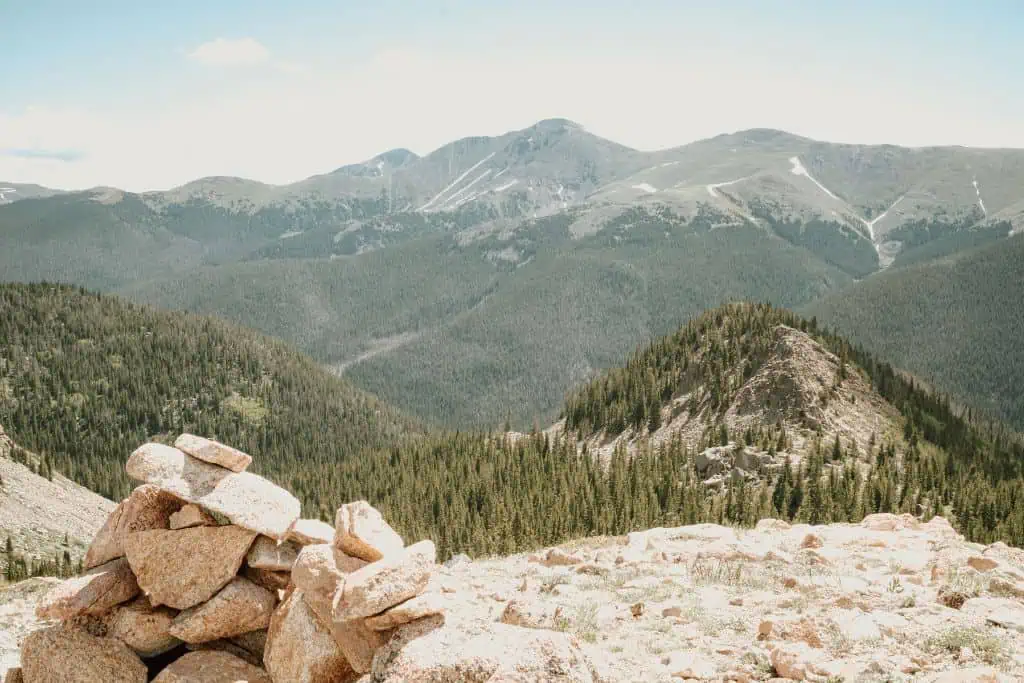
What Coloradans appreciate about Winter Park is that it still feels like a ski town, not a luxury resort that happens to have skiing. The vibe is more laid-back, the prices are more reasonable, and you can get a burger and a beer without needing to take out a second mortgage.
Summer is nice here too, with mountain biking, hiking, and the Amtrak Winter Park Express running from Denver’s Union Station. That train ride is one of the cooler ways to get to any ski town in the state.
Where To Stay
27: CRIPPLE CREEK
Cripple Creek sits at about 9,600 feet near Pikes Peak, and it was the site of Colorado’s last major gold rush. At its peak, the district produced over 22 million ounces of gold, and the town grew to tens of thousands of people.
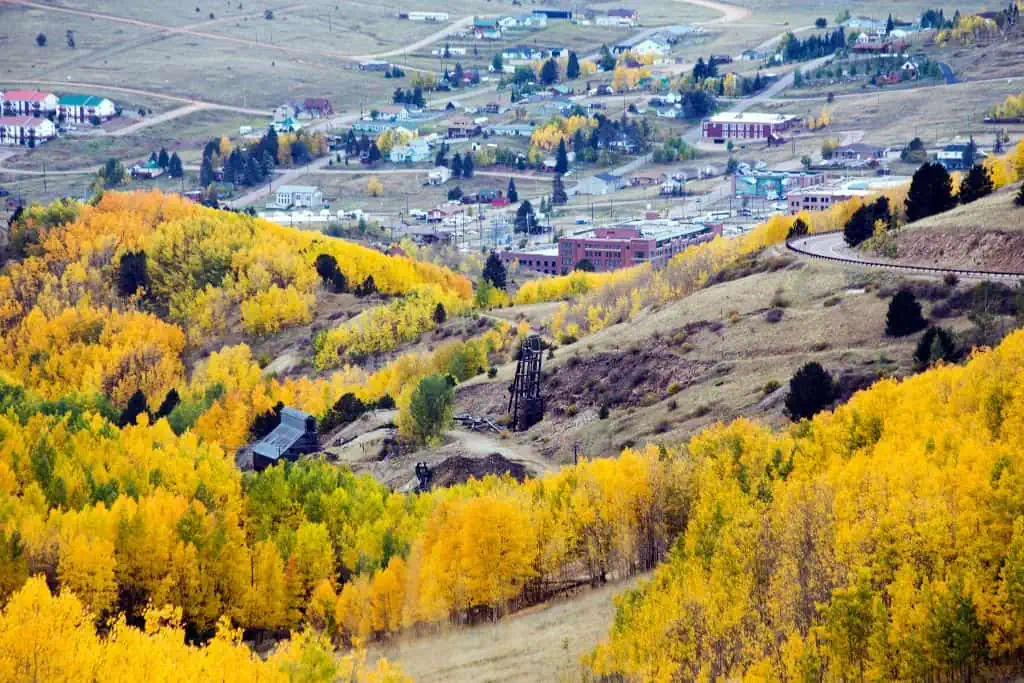
Today, the population is just over 1,000, and the historic downtown has been partially converted into casino land. Coloradans have mixed feelings about that, but the mining history is still very much present if you look deeper.
The Gold Mine tour takes you 1,000 feet underground and is one of the more unique experiences in the Pikes Peak region. If you’re in the Colorado Springs area, it’s worth the drive up for a day trip.
Where To Stay
26: WESTCLIFFE
In Westcliffe, there are no ski resorts, no crowds, and no big attractions trying to pull you in. Instead, it’s just wide open spaces, endless trails, and a small town that moves at its own pace. If you’re looking for a quiet mountain getaway, this is it.

Sitting in Colorado’s Wet Mountain Valley, Westcliffe is surrounded by the Sangre de Cristo Mountains to the west and the Wet Mountains to the east, giving you some of the best hiking, camping, and stargazing in the entire state.
Things To Do In Westcliffe
- Hike the Rainbow Trail – This 100+ mile trail runs along the Sangre de Cristo Mountains, connecting to alpine lakes and hidden backcountry trails.
- Camp at Alvarado Campground – One of the best places to wake up to mountain views and start your day with a hike straight from your campsite.
- See the stars at Smokey Jack Observatory – Westcliffe is one of the only designated Dark Sky Communities in the U.S., which means no light pollution and Milky Way views that will blow your mind.
- Catch live music in town – Westcliffe has a surprisingly good music scene, with outdoor concerts and live performances in local bars throughout the year.
- Take the Frontier Pathways Scenic Byway – A 103-mile drive through ghost towns and some of the best mountain views in southern Colorado.
Where To Stay
- For a cozy stay in town, Courtyard Country Inn is a good choice, with rustic rooms and a beautiful courtyard with fire pits and gardens. It’s within walking distance of local spots, which makes it a perfect home base.
- If you’d rather camp under the stars, Alvarado Campground offers mountain views and easy trail access, while dispersed camping lets you escape completely off-grid.
25: FAIRPLAY
I’m going down to South Park gonna have myself a time! I want to introduce you to Fairplay.
Fairplay sits in the South Park basin at just under 10,000 feet, and yes, it’s the real-life inspiration for the TV show.
The creator of South Park, Trey Parker grew up nearby, and the town leans into the connection with South Park character cutouts and merchandise in the shops along Front Street.
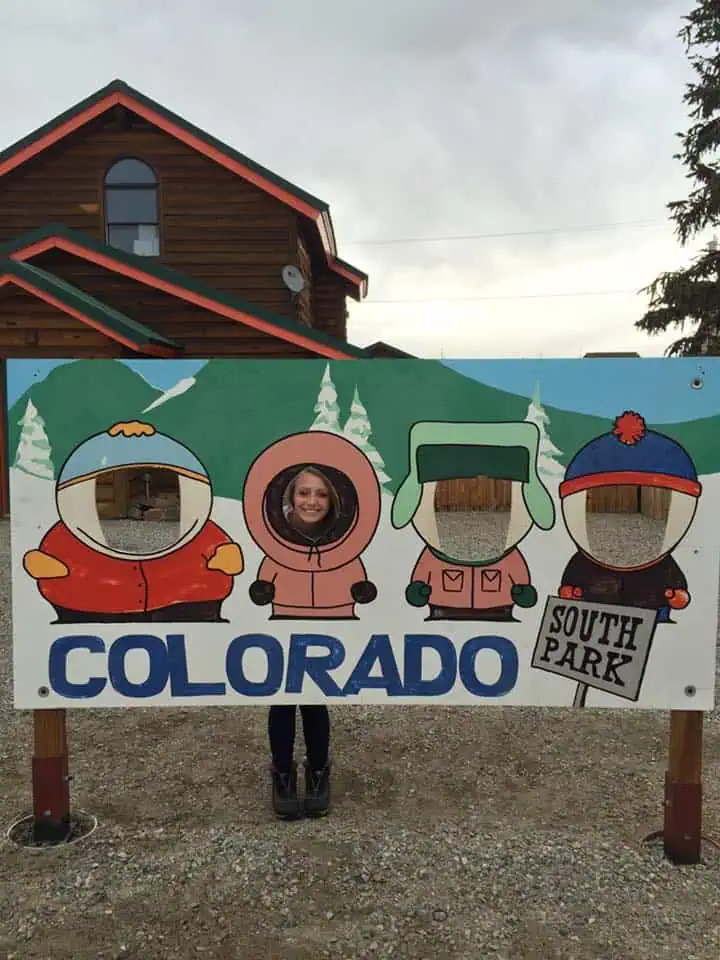
Beyond the TV show, Fairplay is a legitimate historic mining town with a preserved main street and a small museum worth visiting.
Fairplay will never compete with Telluride or Crested Butte as a destination, but it’s a great stop if you’re driving through on Highway 285. Coloradans appreciate that it hasn’t tried to be anything other than what it is.
24: REDSTONE
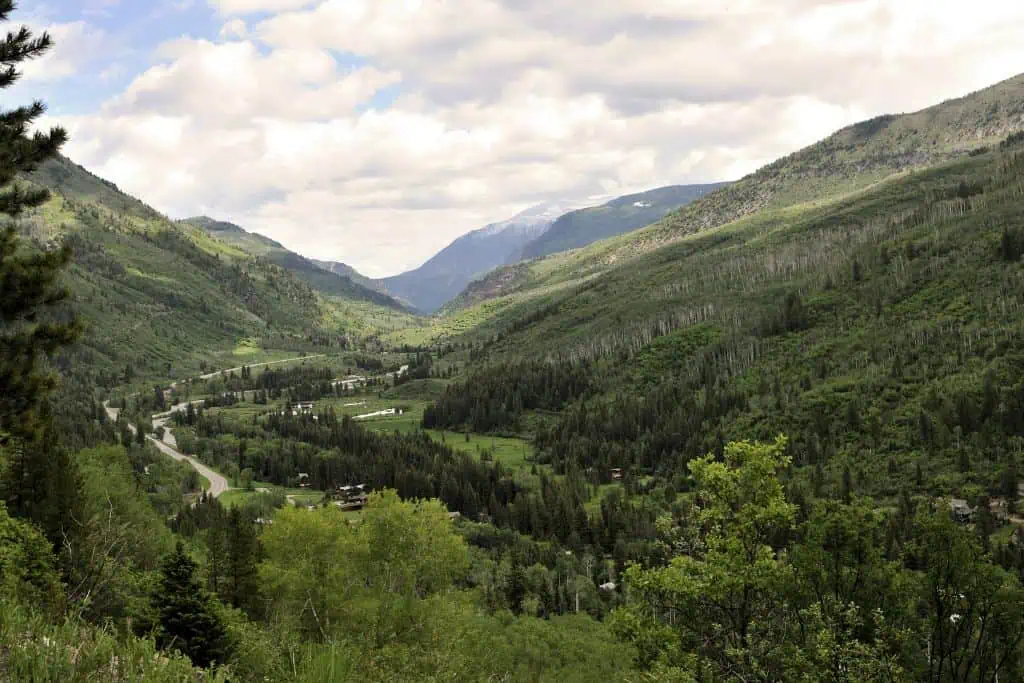
Redstone might be the smallest town on this list with a population of around 130 people, and it’s one of the most beautiful.
Located along the Crystal River in the Elk Mountains, Redstone is home to the Redstone Castle and the historic coke ovens.
The castle is a mansion with fancy chandeliers, and 40 rooms. You can stay there overnight now, which is a pretty unique Colorado experience.
The historic coke ovens that line the road into town are remnants of what was once the largest coking operation in the state.
Redstone is tiny and quiet, and there’s not a ton to do beyond soaking in the views and exploring the history. But that’s why Coloradans love recommending it to people who want something completely off the beaten path.
23: CREEDE
Creede is one of those Colorado towns that feels like you’ve driven to the middle of nowhere. Which.. you kind of have!
Located at high in the San Juan Mountains with a tiny population, Creede was the last silver boom town in Colorado. The mines here operated from 1890 all the way to 1985, which is an insanely long run for a mining town.
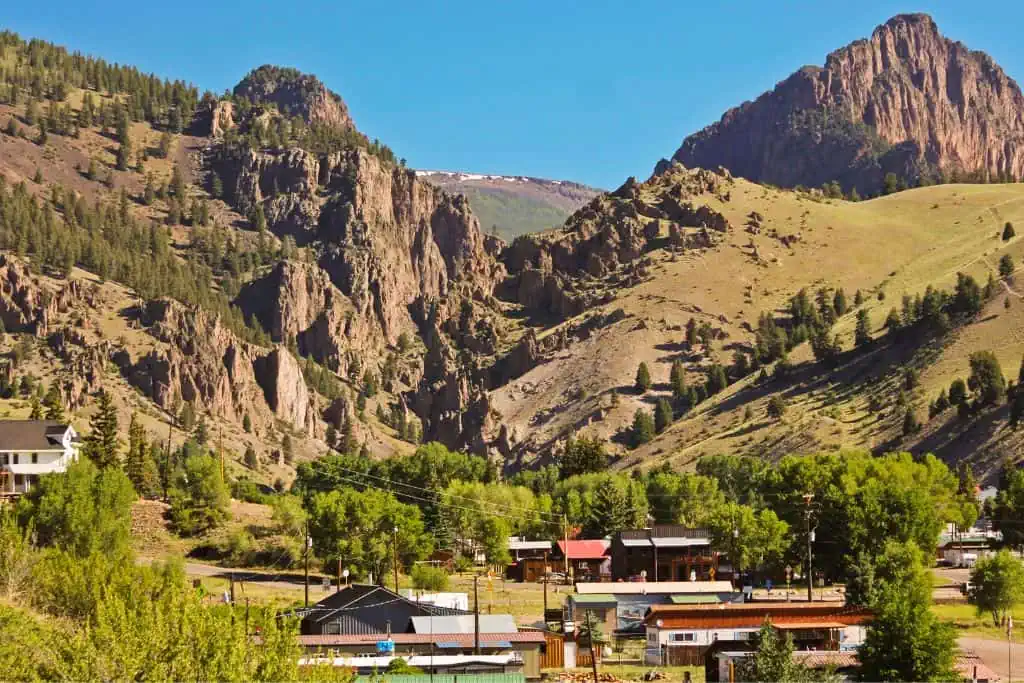
The town sits in a narrow canyon, and the setting is dramatic. I highly recommend driving the Bachelor Historic Loop, which goes for 17 miles through old mining camps. It gives you such a sense of what this area looked like during the silver rush.
The fishing here is also some of the best in the state, with the Rio Grande running right through town. If you’re into fly fishing, this one’s for you!
22: FRISCO
Frisco gets overlooked because it’s sitting right next to Silverthorne, Keystone, and Breckenridge, and most people just drive through. But Coloradans who spend time in Summit County know that Frisco is the better, less-chaotic home base.
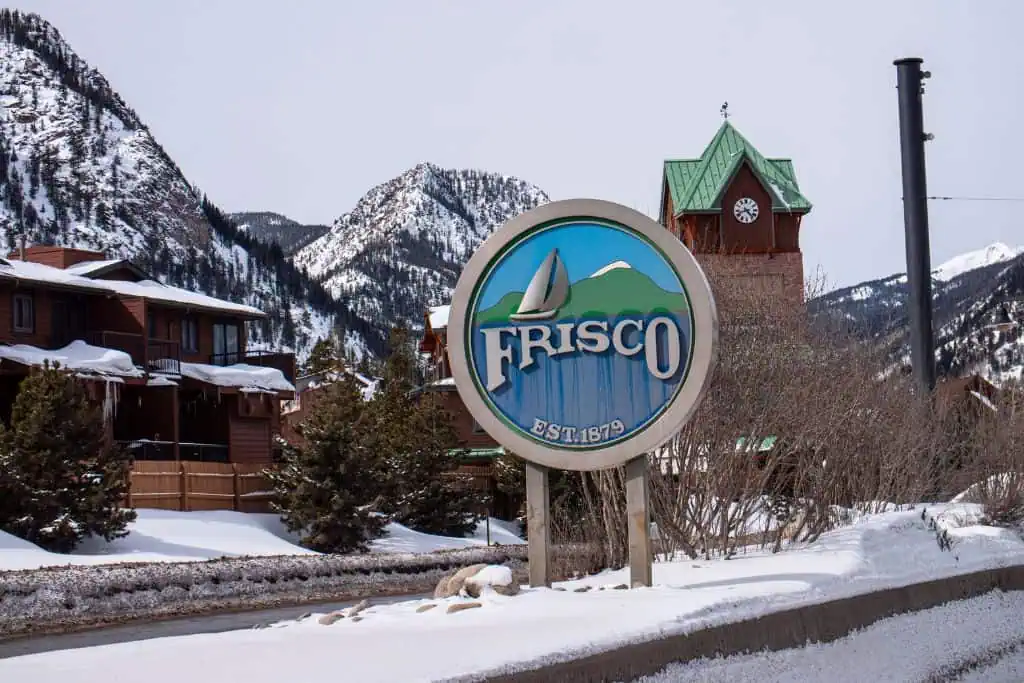
The town sits on the shore of Lake Dillon. The Frisco Marina is the highest deep-water marina in North America.
If you visit Frisco in winter, you’re within 10 miles of four major ski resorts: Breckenridge, Keystone, Copper Mountain, and Arapahoe Basin. In summer, the 18-mile paved bike path that loops the entire reservoir is one of the best in the state.
The downtown is small but has a more relaxed feel than busy Silverthorne or Breckenridge’s toursity Main Street. And the prices for lodging and food are noticeably lower.
21: CARBONDALE
Carbondale is the town that Coloradans who can’t afford Aspen move to, and most of them end up liking it better anyway.
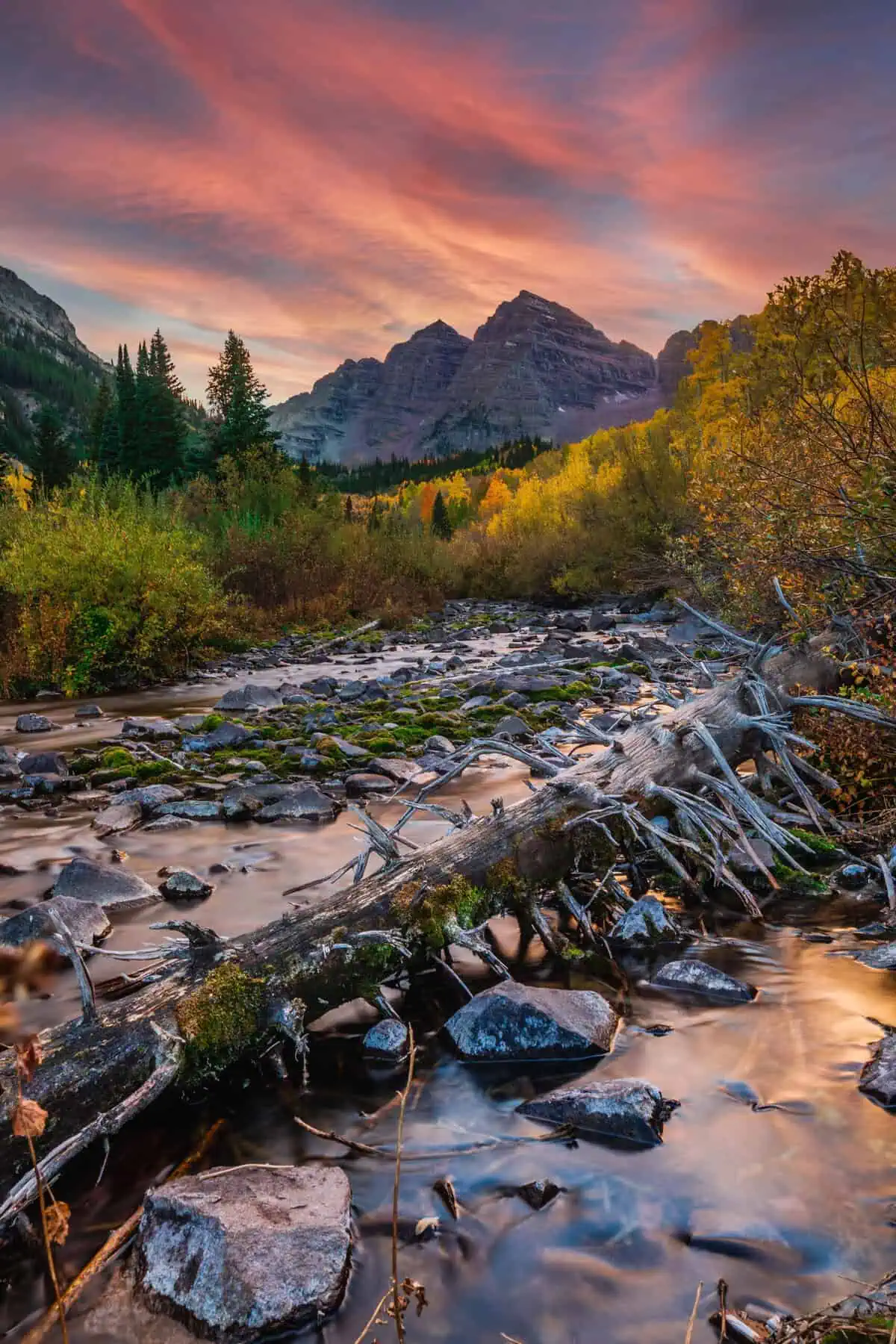
Located about 30 miles from Aspen in the Roaring Fork Valley (pictured below), Carbondale has its own identity. The arts scene here is prevalent, the restaurants are excellent, and the town has a community feel that a lot of the pricier resort towns have lost (cough, cough, almost ALL in Colorado!).
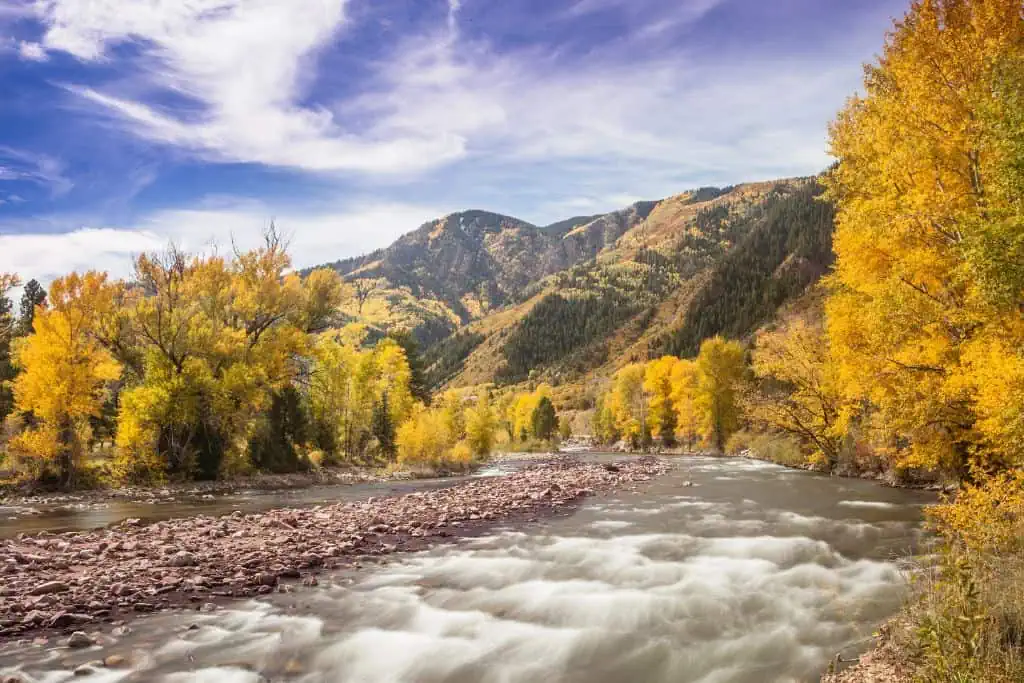
In Carbondale, you’ll see towering Mount Sopris, and the Crystal River that runs through the area. The free RFTA bus will get you into Aspen in about 45 minutes if you want to ski, but a lot of Carbondale locals are just as happy staying where they are.
Coloradans who know the Roaring Fork Valley will tell you that Carbondale is the one with the most personality. It’s not trying to compete with Aspen, and that’s a good thing.
Where To Stay
20: GRAND LAKE
If Estes Park is the eastern gateway to Rocky Mountain National Park, Grand Lake is the western one.
The town of Grand Lake sits at 8,369 feet on the shore of Colorado’s largest natural lake (hard to find in a state full of resevoirs).
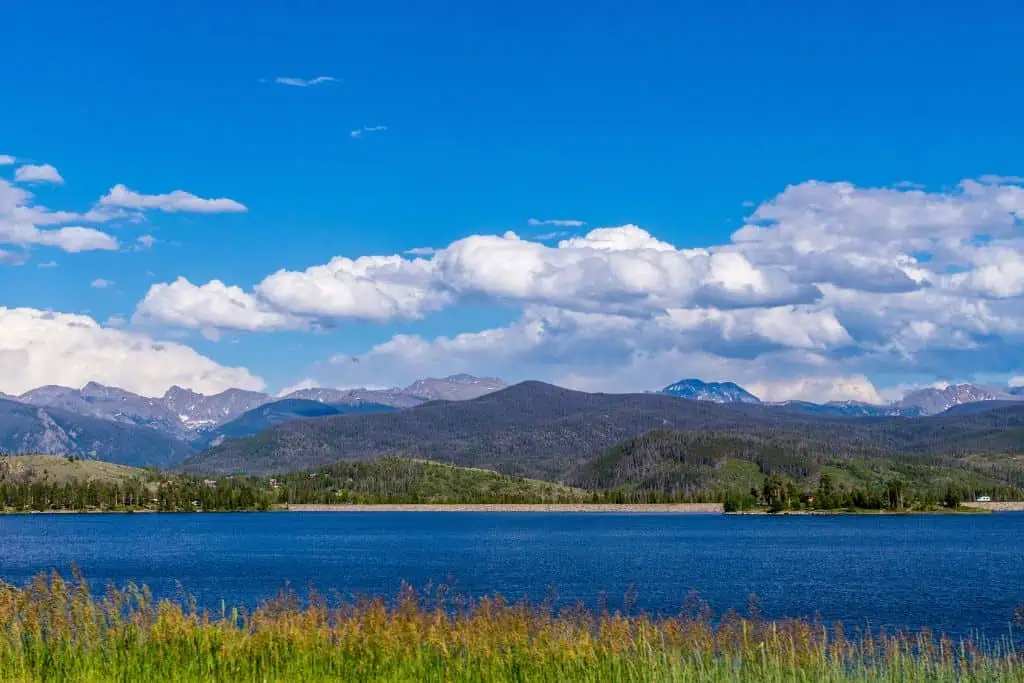
The town itself has a population of about 400 people, and the boardwalk downtown feels like it belongs in a Western movie.
The west side of Rocky Mountain National Park is significantly less crowded than the east, and Trail Ridge Road connects Grand Lake to Estes Park over the Continental Divide. Driving it from this side is, in my opinion, even better because you’re gaining elevation and the views are incredible.
Note: If you’re not a confident driver, be wary of Trail Ridge Road. It’s one of the most intense drives in the state.
In winter, Grand Lake is a hub for snowmobiling and cross-country skiing, and the frozen lake itself is a sight worth seeing. Coloradans who love Rocky Mountain National Park but hate the summer crowds at Estes will always point you here instead.
Where To Stay
19: RIDGWAY
Ridgway is a town near Ouray that has decided to stay completely under the radar (and we can see why).
Located about 10 miles north of Ouray, Ridgway sits at just under 7,000 feet with the San Juan Mountains surrounding on nearly every side. The views are jaw-dropping, and the sunsets here are some of the best in the state.
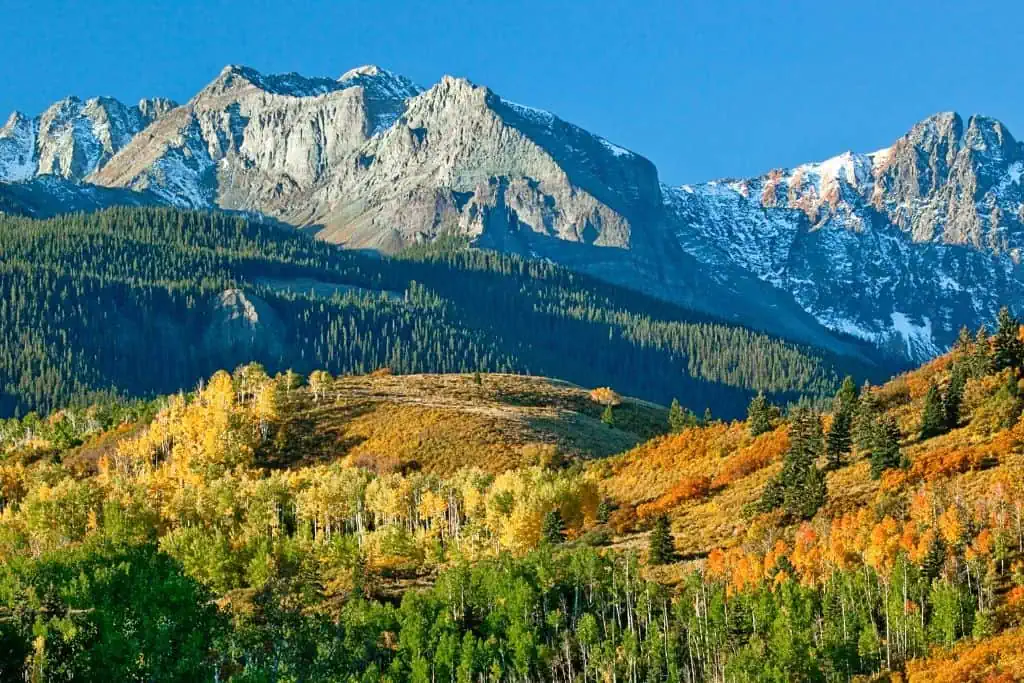
Ridgway State Park and the Uncompahgre River have excellent fishing, paddleboarding, and hiking. The town itself is small, maybe 1,200 people, with a handful of restaurants and shops that have that Colorado character you’re looking for.
Coloradans who love the Ouray area but want something quieter and more affordable often end up in Ridgway. It doesn’t have the ice climbing, but it has the views and the community without the tourist traffic. That’s a 10/10 in my book.
Where To Stay
18: BUENA VISTA
Buena Vista, or “BV” as locals call it, has been gaining serious traction over the past few years and, luckily, it hasn’t lost its charm.
Located at about 8,000 feet, BV is surrounded by the Collegiate Peaks, a stretch of mountains that are named after Ivy League schools. Mount Princeton, Mount Yale, Mount Harvard.. the fourteeners here are abundant.
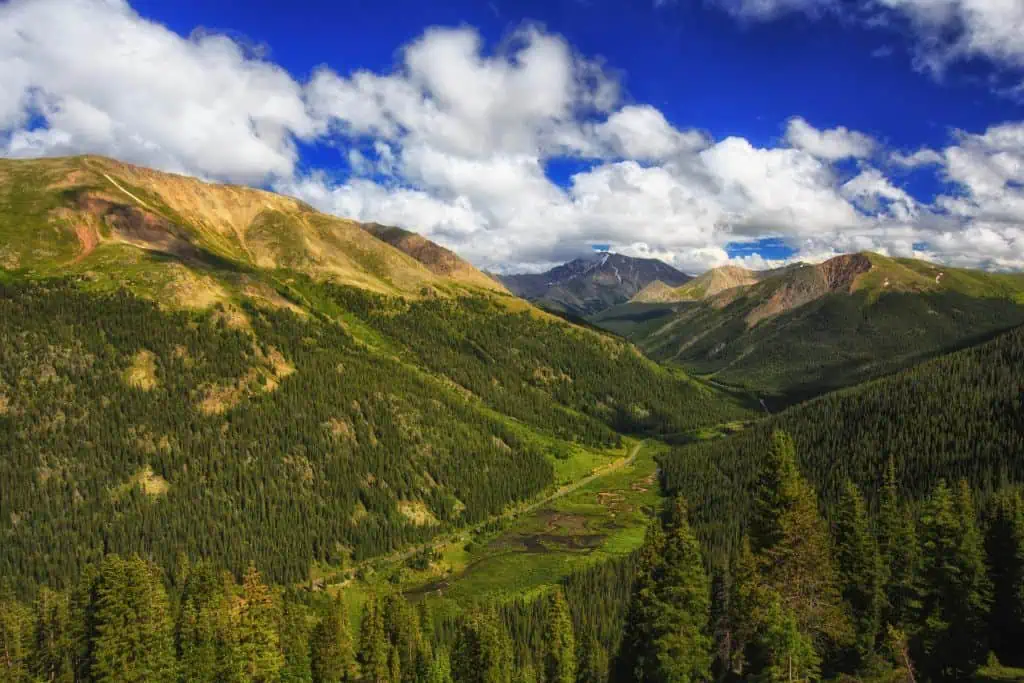
The whitewater rafting on the Arkansas River here is some of the best in the country, and it draws people from all over during the summer months.
But the real draw is the hot springs. Mount Princeton Hot Springs Resort is about 15 minutes from town, and Cottonwood Hot Springs is even closer. Soaking in natural hot springs with the mountains towering above you is a Colorado experience that’s hard to beat.
Downtown BV is walkable, with local coffee shops, restaurants, and a growing brewery scene. It’s the kind of town where you start to search Zillow for houses before you have to leave.
Where To Stay
17: PAGOSA SPRINGS
Pagosa Springs doesn’t get the attention that the bigger Colorado hot springs towns do, but Coloradans will tell you it should.
The town sits at about 7,100 feet in the southern San Juan Mountains and is home to the world’s deepest geothermal hot spring.
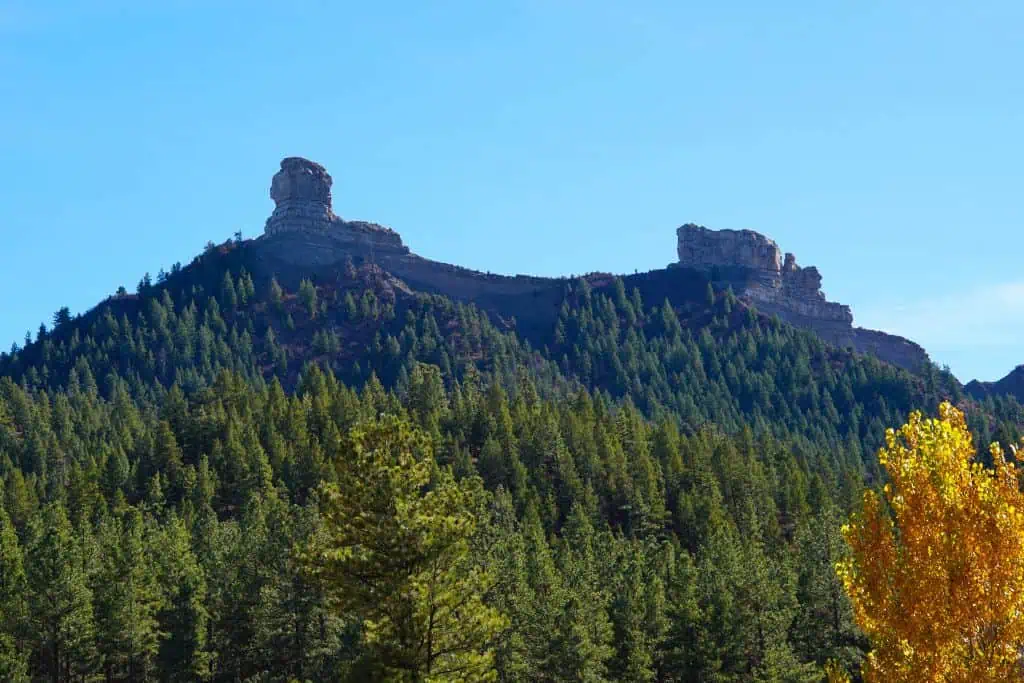
Beyond the hot springs, Pagosa Springs is a solid outdoor recreation town with hiking, mountain biking, and skiing at Wolf Creek, which gets more snow than almost anywhere in Colorado.
The downtown is compact and walkable, with local restaurants and shops.
The small town feel of Pagosa Springs is the biggest draw. It’s really hard to find this kind of quiet in Colorado.
Where To Stay
16: NEDERLAND
Nederland is the quirkiest mountain town we’ve been to in Colorado, and it’s not even close.
Sitting at about 8,200 feet, Ned has a population of around 1,500 people.
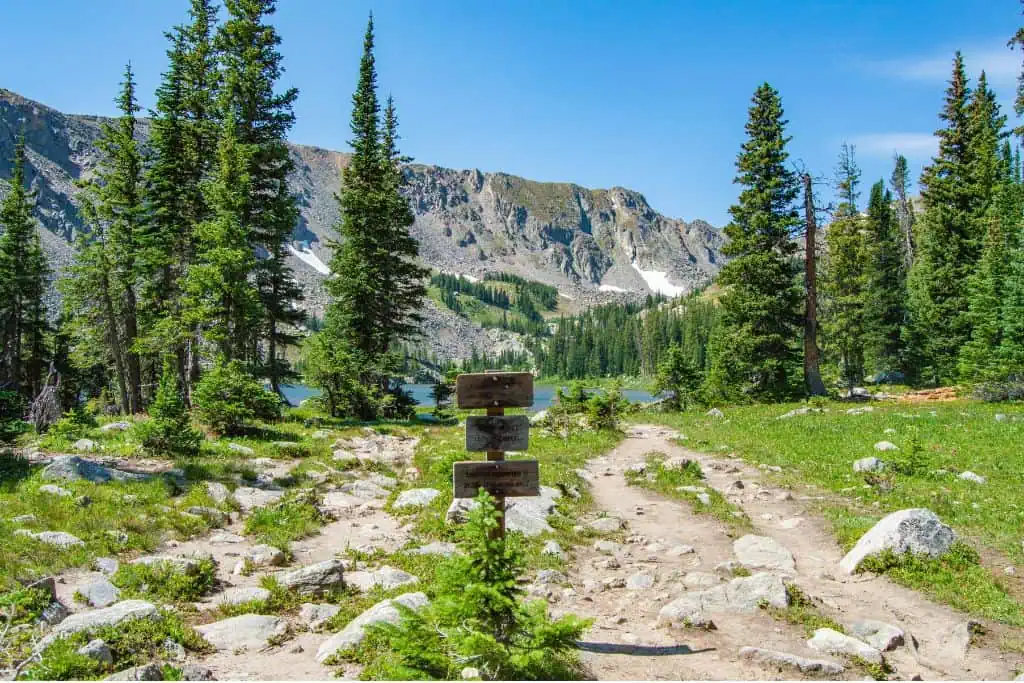
The town became famous for Frozen Dead Guy Days, a festival that started because a local resident was keeping his grandfather cryogenically frozen in a shed.
The festival eventually outgrew the town and moved to Estes Park in 2023, but the entire idea of it tells you everything you need to know about Nederland.
Eldora Mountain Resort is just a few miles away and is one of the more affordable ski areas near Denver. The hiking around Brainard Lake and the Indian Peaks Wilderness is world-class, and a lot less crowded than nearby Rocky Mountain National Park.
15: GLENWOOD SPRINGS
Glenwood Springs earns its spot on this list because you could spend several days here without running out of things to do.
The town sits in Glenwood Canyon, and the main attraction is the Glenwood Hot Springs Pool. The pool stays a comfortable temperature all year round, and soaking in it during winter with snow falling around you is one of those bucket-list Colorado things.
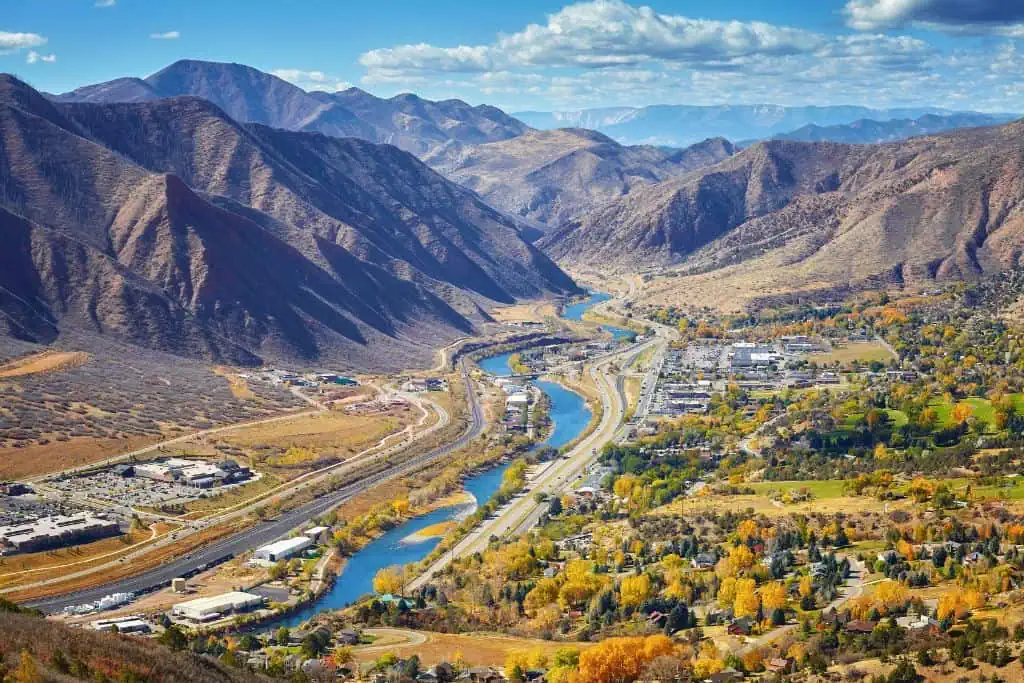
The historic downtown is walkable and lively with great restaurants and shops.
The Glenwood Gondola takes you to the top of Iron Mountain for 360-degree views, and if you’ve got kids (or just like a good adrenaline rush), check out Glenwood Caverns Adventure Park.
Glenwood Springs is also a great base camp. Aspen is about 40 miles up the valley, Maroon Bells are within reach, and Hanging Lake (when permits are available) is one of the most photographed hikes in the state.
Where To Stay
14: GEORGETOWN
Georgetown is the kind of town that makes you slow down on I-70, and not just because of traffic.
Located about an hour west of Denver, Georgetown was once known as the Silver Queen of Colorado during the mining boom. The Victorian architecture downtown is well-preserved, and walking the historic streets really does take you back.
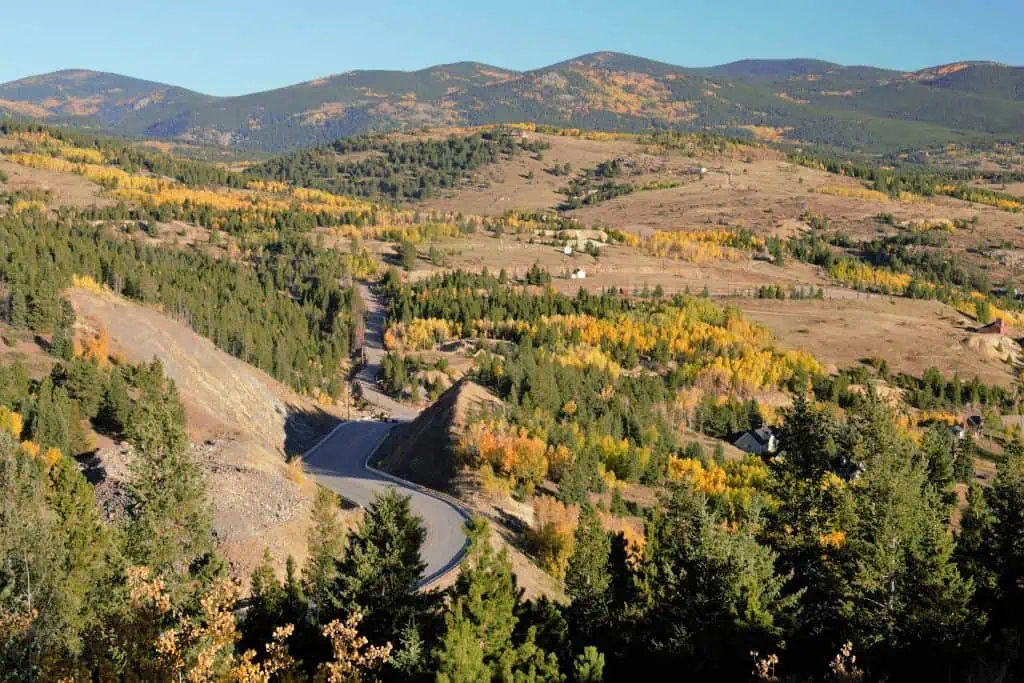
The Georgetown Loop Railroad is the main attraction, and it’s worth a stop.
What Coloradans appreciate about Georgetown is that it hasn’t been commercialized the way a lot of I-70 corridor towns have. The shops and restaurants downtown are locally owned, the town is quiet outside of peak tourist season, and the mountain views from just about anywhere in town are incredible.
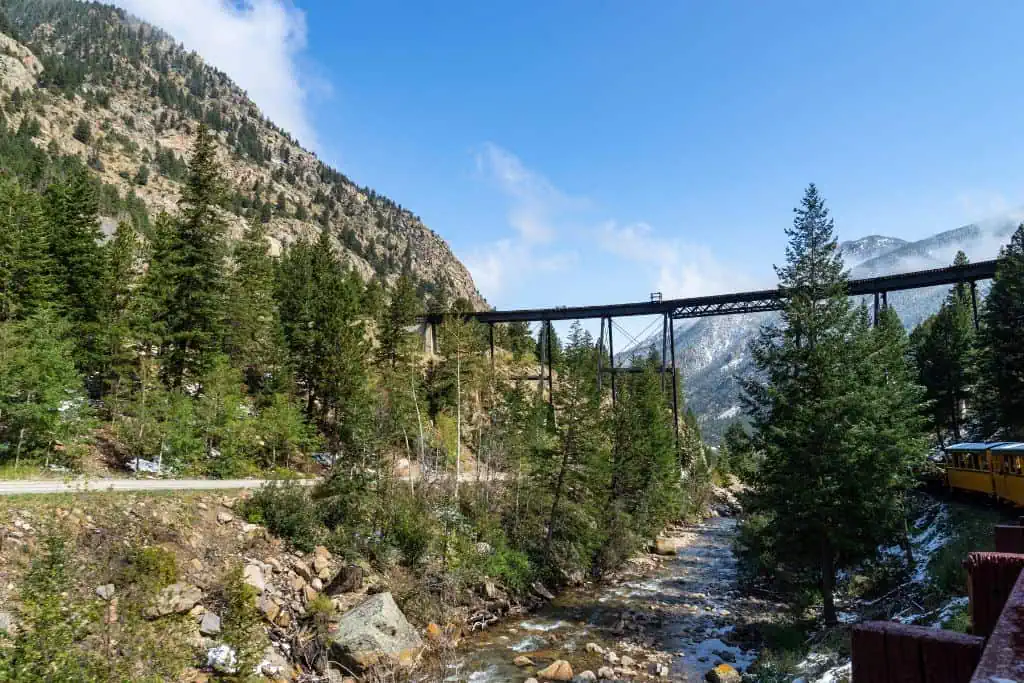
For something so close to Denver, Georgetown feels surprisingly quiet. And at this price point compared to Summit County just up the road, it’s an easy win.
13: MANITOU SPRINGS
Manitou Springs comes up consistently in Colorado conversations because it occupies a category that no other town in the state really fills.
Sitting at the base of Pikes Peak about six miles west of Colorado Springs, it’s quirky, walkable, artsy, and completely unique.
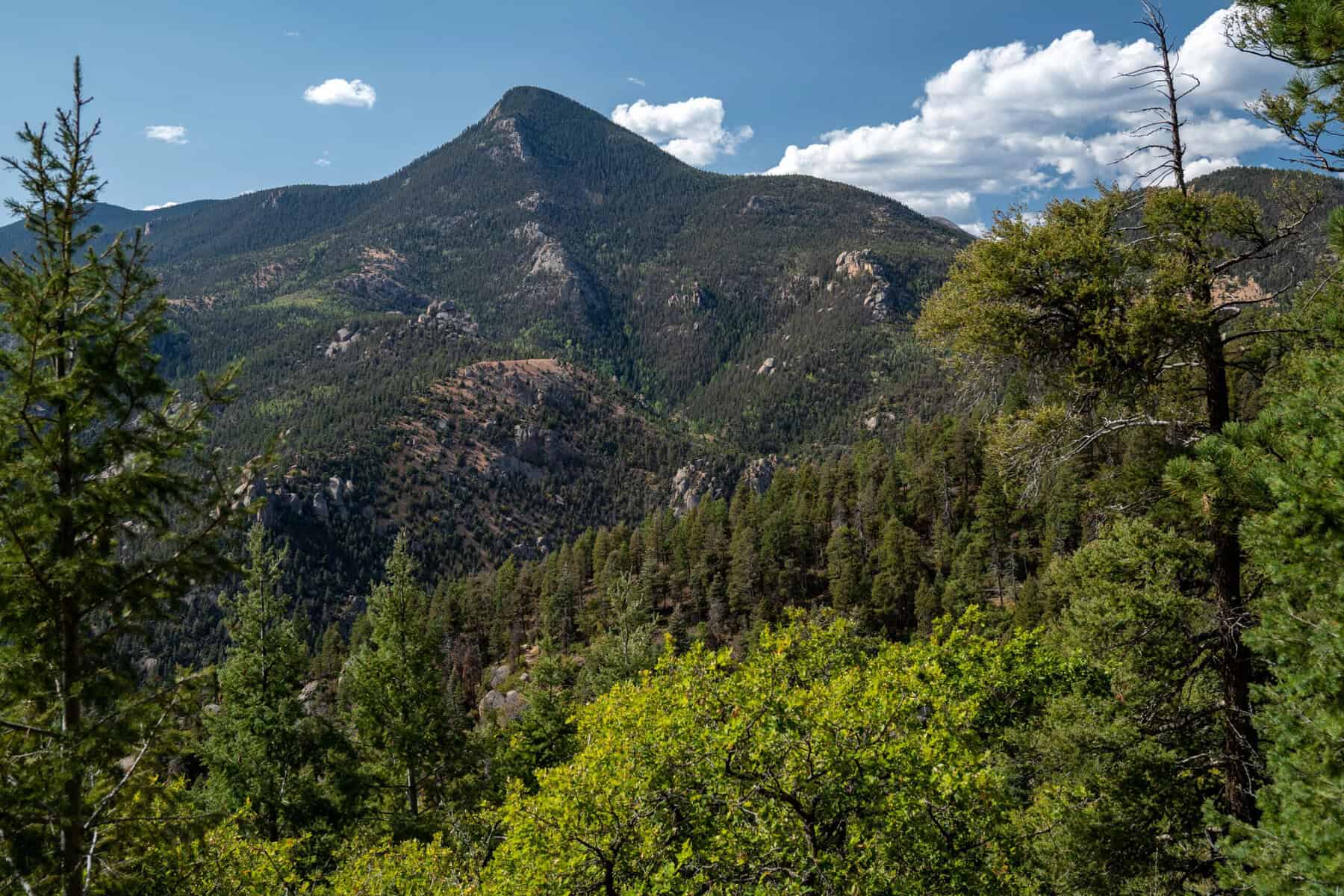
Most mountain towns lead with skiing or hiking as their primary identity. Manitou Springs’ beauty lies within its character. Coloradans across the state recognize that as something increasingly rare.
The historic main street is lined with independent shops, galleries, and cafes that have nothing to do with ski culture. The natural mineral springs that flow through town are the same ones that drew people here in the 19th century, and several of the original spring houses are still standing and accessible.
The Pikes Peak Cog Railway departs from just outside town and ventures up to 14,115 feet for views that stretch, on a clear day, all the way to Kansas.
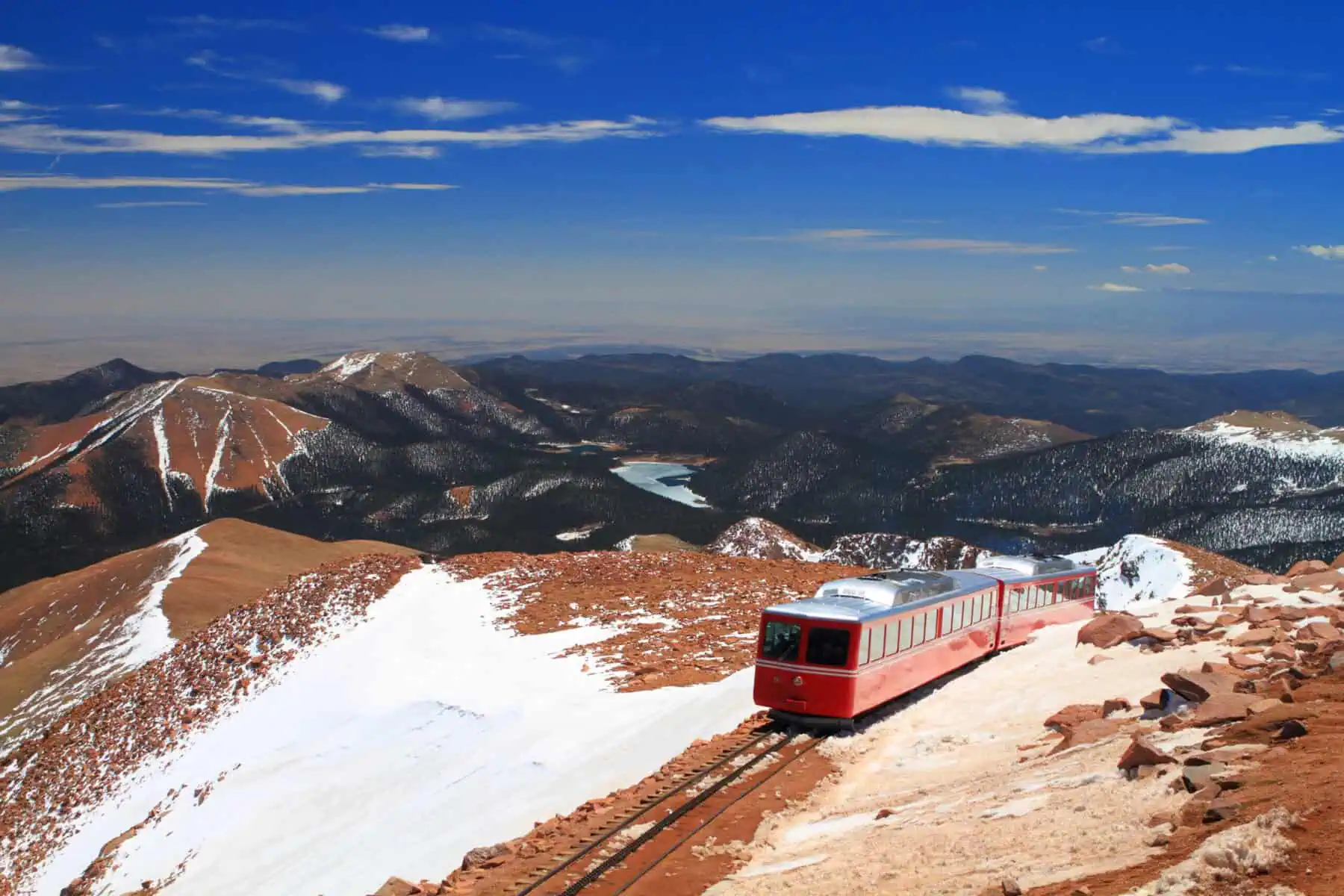
Coloradans appreciate that Manitou Springs doesn’t perform for tourists. It’s a community first, whereas most of the popular mountain towns have traded away that aspect for development.
Where To Stay
12: SILVERTON
Silverton, sitting at 9,318 feet in the San Juan Mountains, has a population of under 700, and it’s about as remote as a Colorado town gets without being completely off the grid.
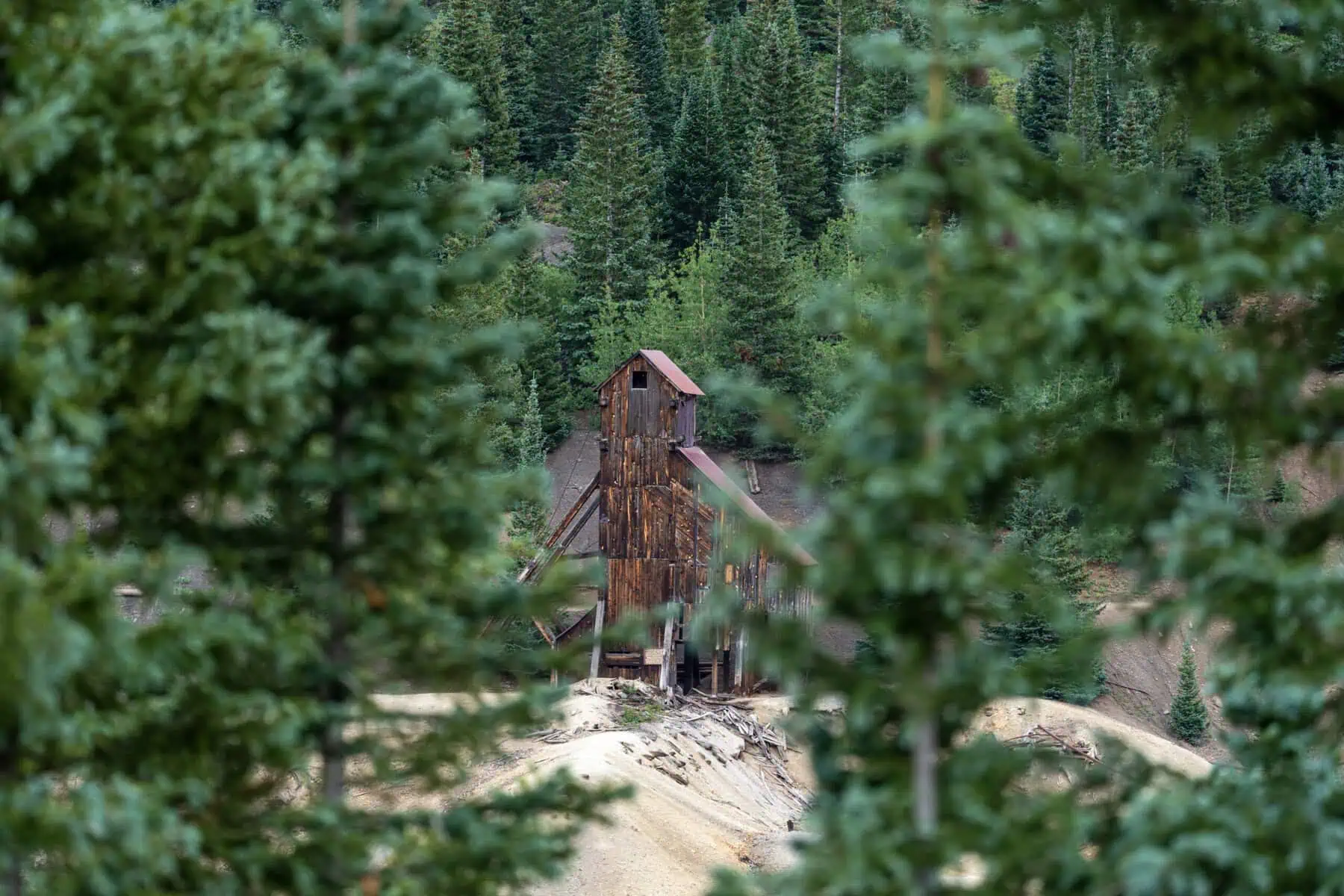
The buildings on Blair Street and Greene Street are mostly original Victorian structures from the mining era. The boardwalks are still intact.
There are more saloons per capita than almost anywhere in the state (fun fact). The authentic feel of a mining town lives on in Silverton, which is hard to say about any other destination in the state.
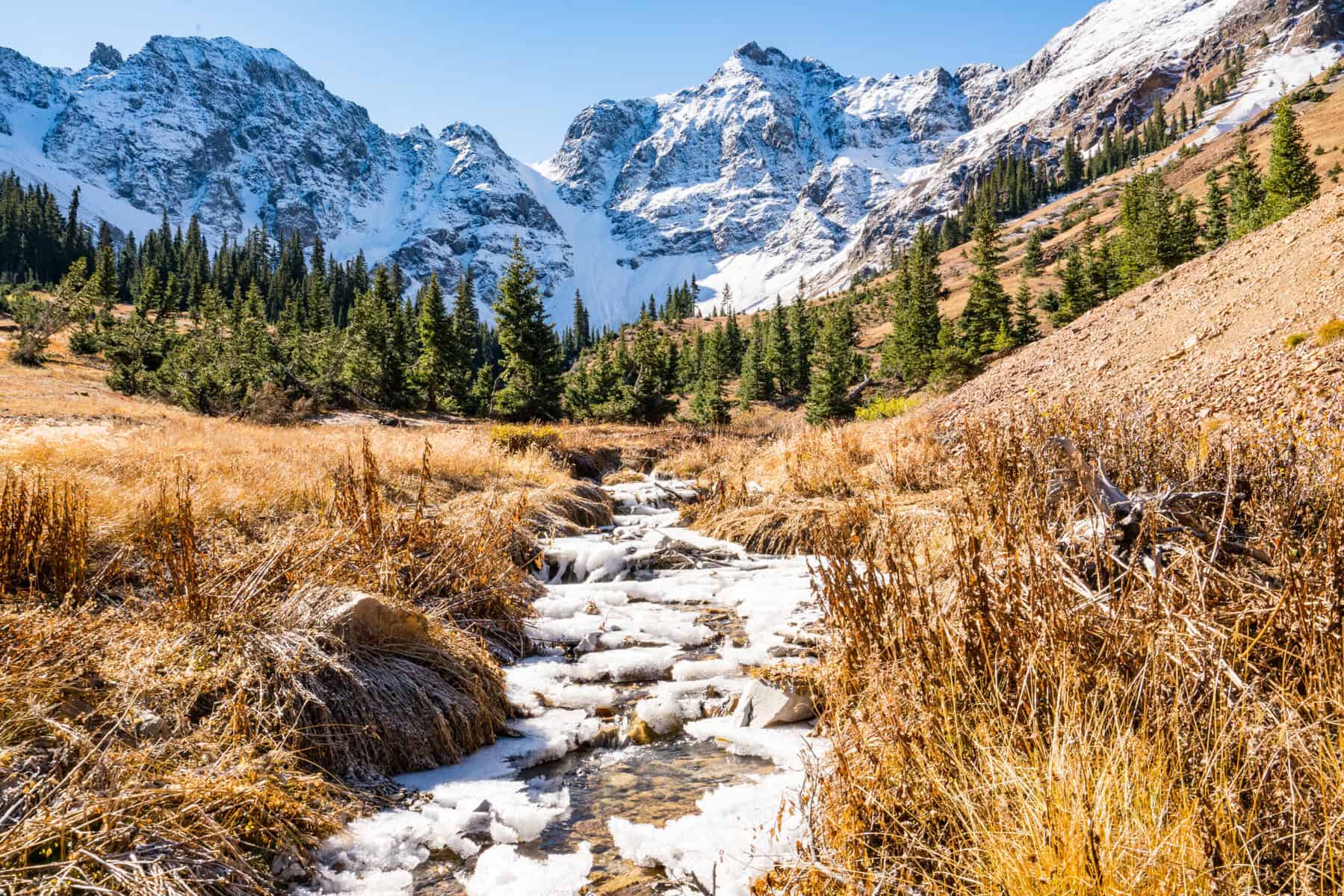
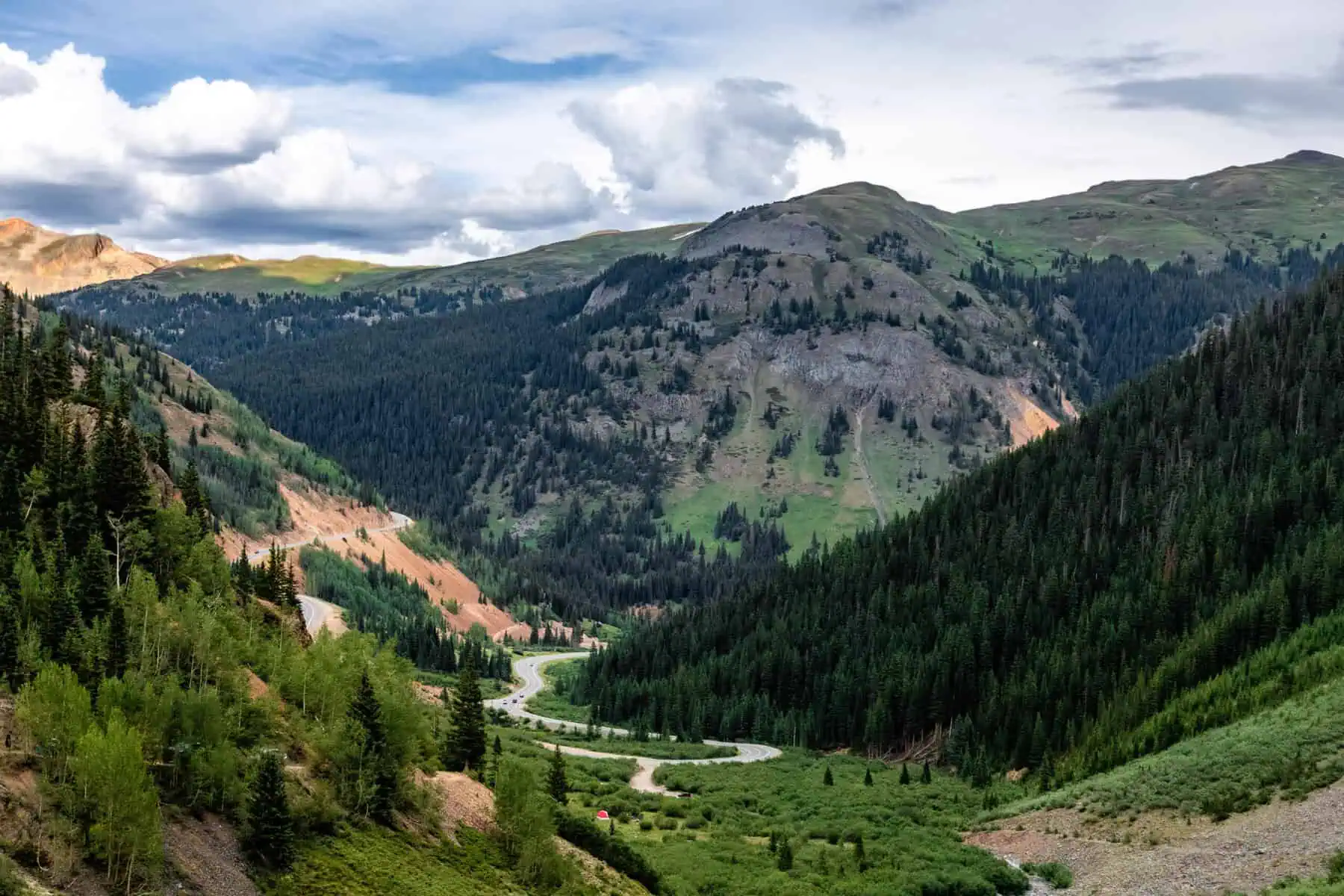
For skiers who know their stuff, Silverton Mountain offers the most extreme unguided backcountry skiing experience in the state. It is genuinely not for beginners.
Where To Stay
Quick List: What To pack For Colorado
11: LAKE CITY
Most people outside the state have never heard of Lake City, and a lot of people inside the state haven’t either, which is exactly the point for the locals who love it.
Lake City sits in the southern Rockies, surrounded by some of the most dramatic scenery anywhere in Colorado, with a population of around 400 people.
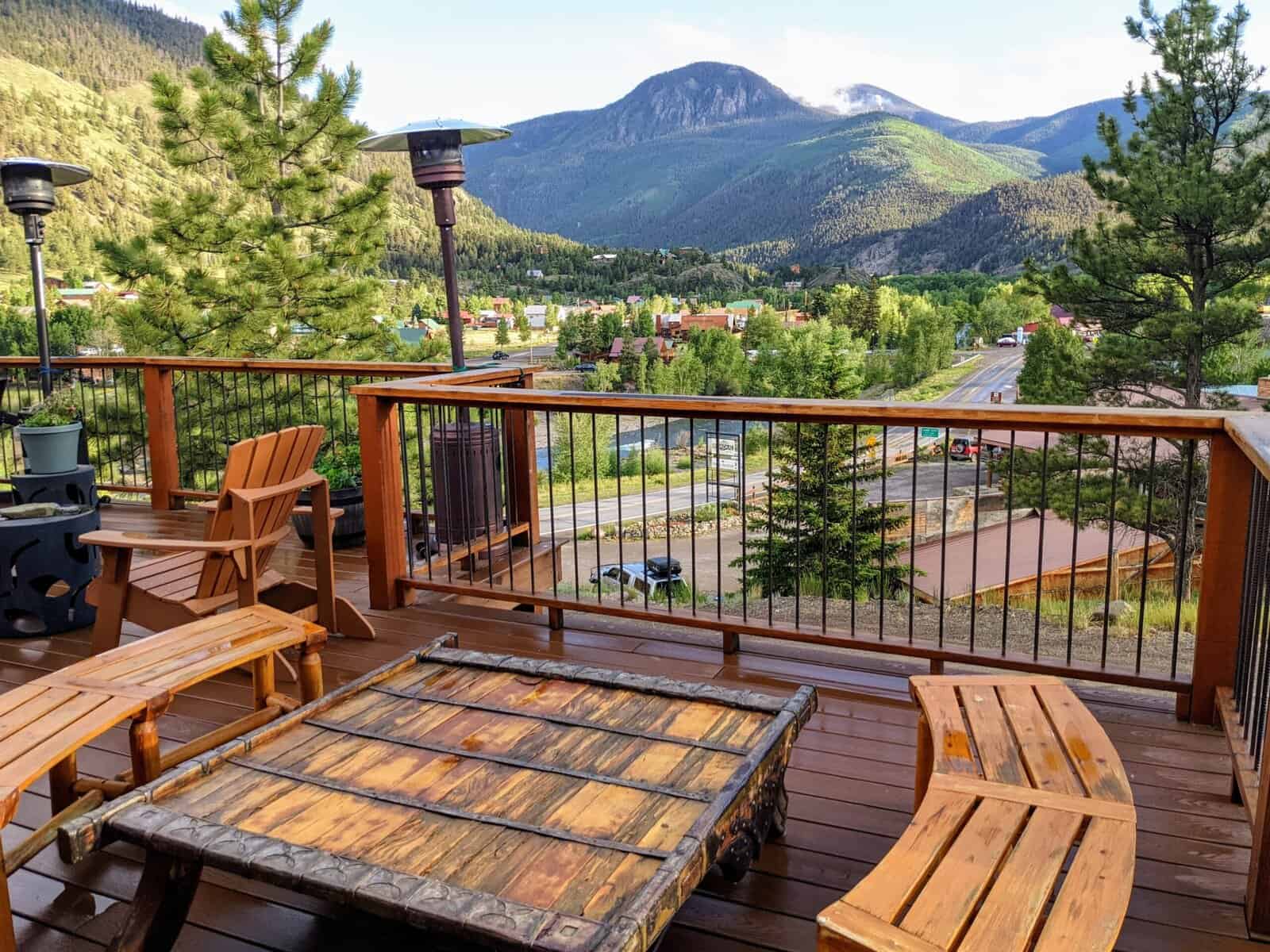
The architecture along Silver Street looks much the same as it did during the silver boom of the 1870s. There are no chain businesses, no resort infrastructure, and ultimately, no mass tourism. It’s a town that stayed small likely due to isolation, and locals say that’s what makes it worth the drive.
The Alpine Loop Backcountry Byway, a 65-mile off-road adventure through high mountain passes, begins here and draws four-wheel-drive enthusiasts from across the state and beyond (lots of Texans).

The surrounding wilderness includes four designated wilderness areas and access to multiple fourteeners. If what you’re looking for is a place that feels genuinely removed from tourism that has transformed so much of Colorado, Coloradans will point you here.
Where To Stay
10: SALIDA
Salida has been climbing the list for years, and Coloradans who got there early will tell you it’s still worth it because it hasn’t lost what made them love it in the first place.
Situated along the Arkansas River, it consistently earns praise for doing something that’s become rare in Colorado towns.. functioning as a local’s town first and a tourist destination second.
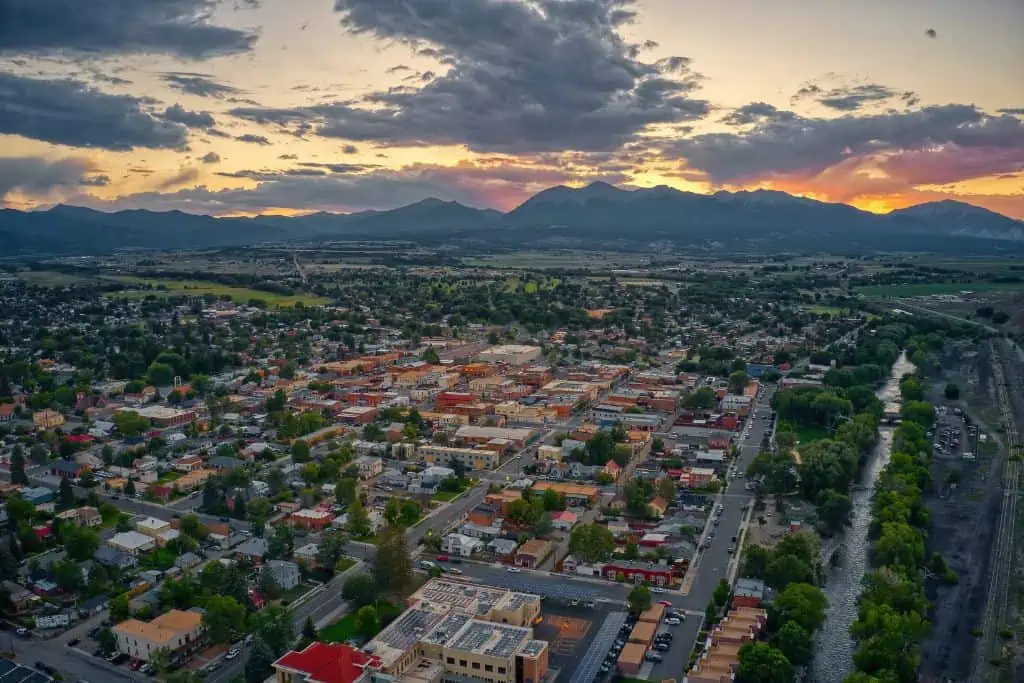
The Arkansas River running through and around Salida is one of the most popular areas for whitewater rafting and kayaking in the country.
Browns Canyon National Monument, just outside of town attracts rafters, hikers, and wildlife watchers all year-round. The surrounding Sawatch Range gives the town an incredible backdrop that you’ll never get tired of.
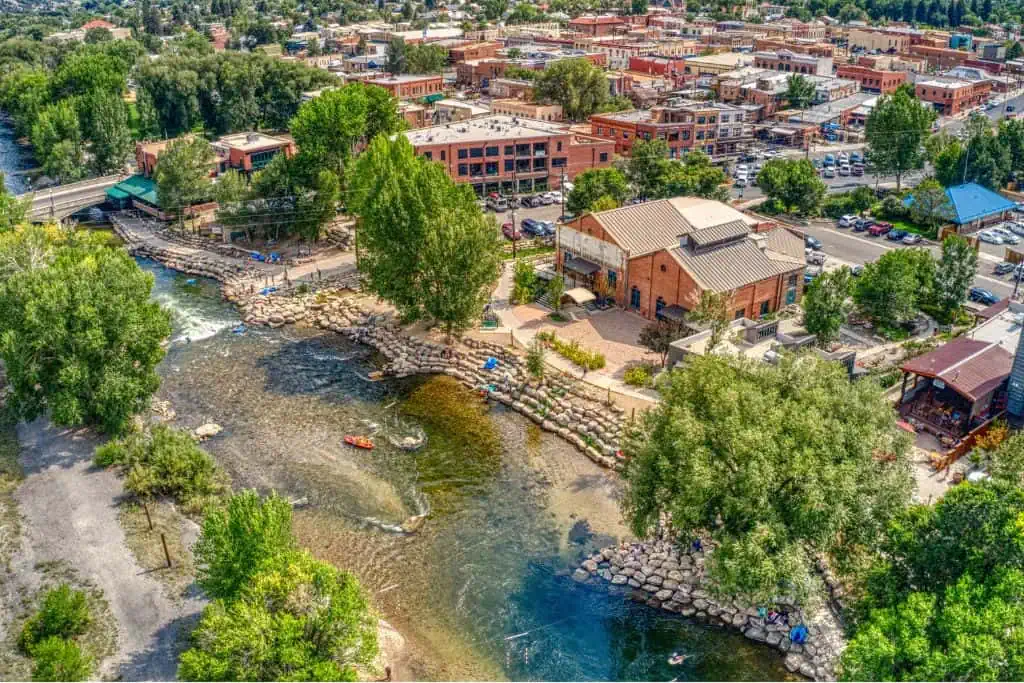
Downtown Salida is walkable and lively with restaurants, coffee shops, boutiques, galleries, and more. The arts scene here is quite famous, which is impressive for a town of roughly 6,000 people. It holds a Colorado Creative District designation, and the monthly First Friday art walks draw people from all over.
Where To Stay
- Amigo Motor Lodge (one of our favorite spots!)
- Silver Ridge Lodge
9: STEAMBOAT SPRINGS
Steamboat Springs has a nickname that tells you most of what you need to know.. it’s Ski Town USA! It holds the record for sending more athletes to the Winter Olympics than any other town in North America, and we have the skiing to prove it.
I say “we” because this is where we live!

The resort is famous for its champagne powder, a term that actually originated in Steamboat, referring to the consistently light and dry snow that falls throughout winter.
Steamboat is also famous for its ranching history and Western heritage that gives it a different personality than the other resort communities in Colorado.

The hot springs in Steamboat are also worth highlighting. Strawberry Park Hot Springs is one of the most beautiful natural hot springs in the state, and it’s the kind of place that you’d bring your out-of-town guests for a visit.
Another stop, Old Town Hot Springs, is right downtown and is absolutely worth the visit as well, especially if you have kids.
Where To Stay
8: LEADVILLE
Leadville is not for everyone, and Coloradans who love it will tell you that directly.
At 10,152 feet above sea level, it is the highest incorporated city in the United States. The air is noticeably thin, the winters are not for the faint of heart, and it thrives as a local’s town. It offers a raw look at Colorado’s mining history and a mountain setting that is genuinely difficult to match.
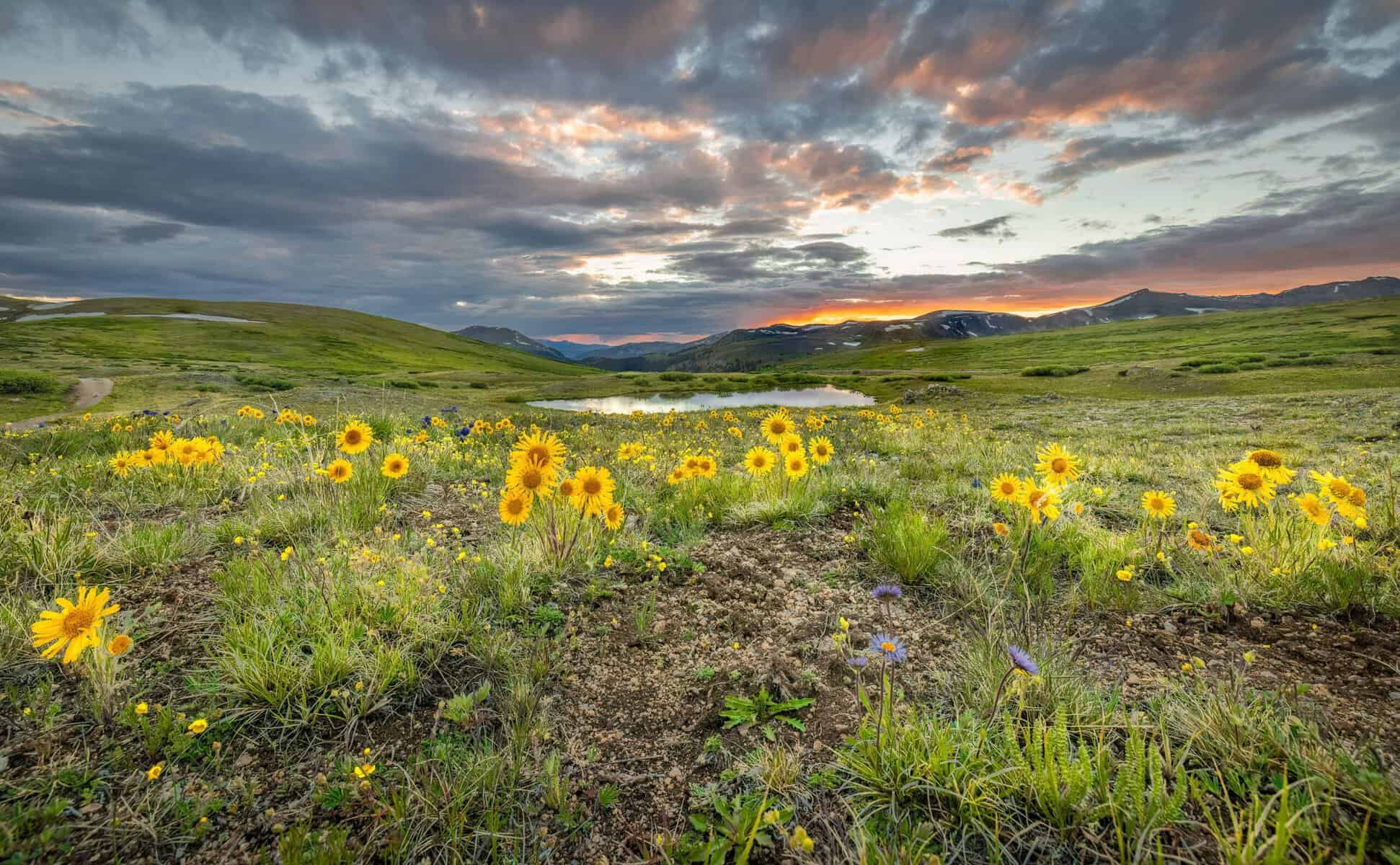
The historic downtown along Harrison Avenue is preserved with Victorian buildings dating back to the 1880s during the silver rush, when Leadville was briefly one of the largest and wealthiest cities in the state.
The Tabor Opera House, the National Mining Hall of Fame, and the Delaware Hotel are all worth a visit. The history here is genuinely fascinating, from the fortunes made and lost overnight to well-known local figures.
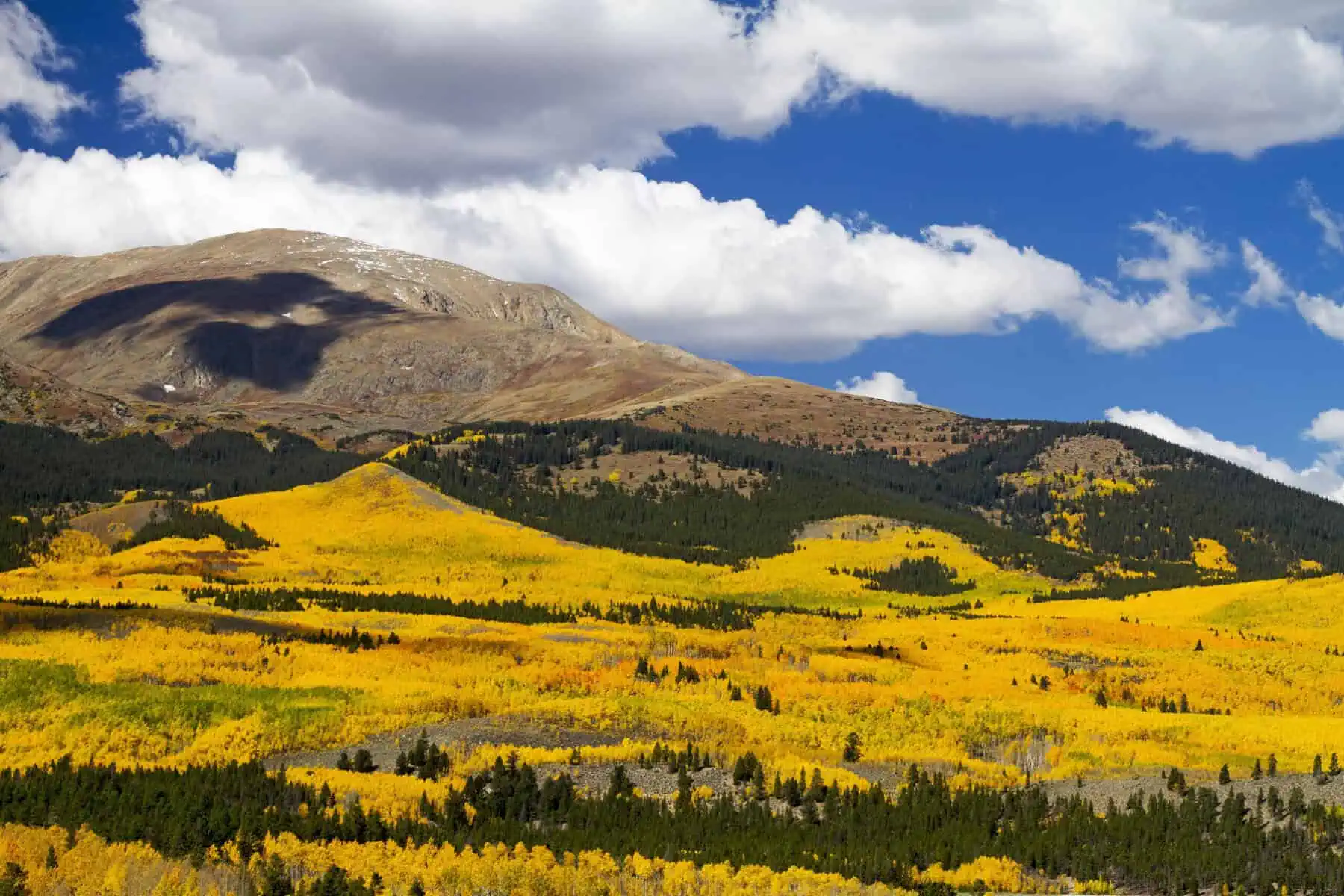
Mount Elbert, which is the highest peak in Colorado and the second highest in the lower 48, is a decently moderate hike from town. The Leadville Trail 100, one of the most insane ultramarathons in the world, starts and ends downtown every August and brings an infectious energy with it.
Where To Stay
7: DURANGO
Coloradans vote for Durango consistently across every demographic that was polled. The reason for that is obvious.. Durango works for nearly everyone and in every season.
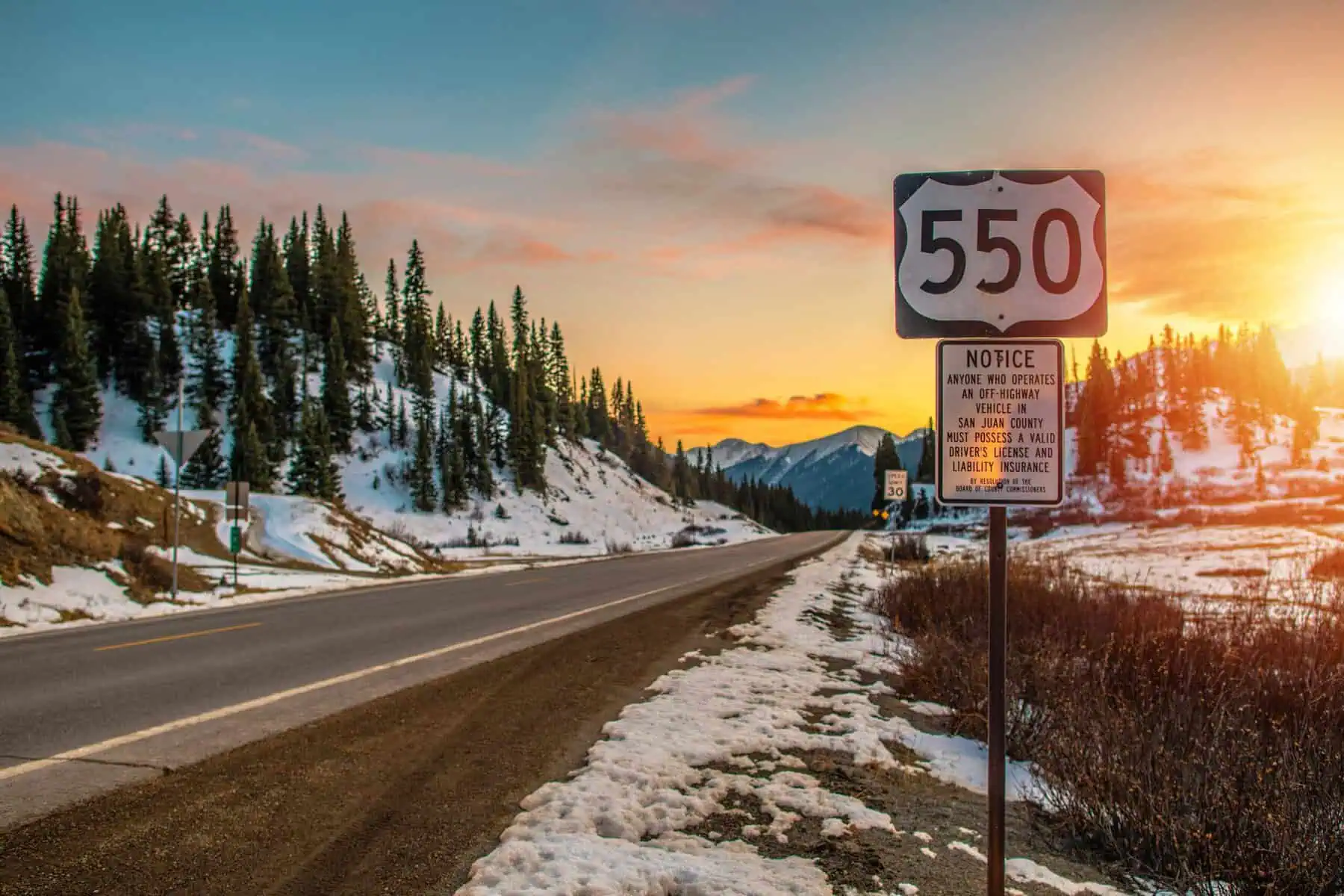
Located in the southwest corner of the state near the New Mexico border, it has a massive outdoor recreation scene, a college-town energy from Fort Lewis College, a craft beer and food culture that’s typically unexpected by visitors, and one of the most iconic experiences in the state sitting right in the middle of downtown.
That experience is the Durango and Silverton Narrow Gauge Railroad, a steam train that’s been running through canyon country since 1882 and is still one of the best things you can do in Colorado.
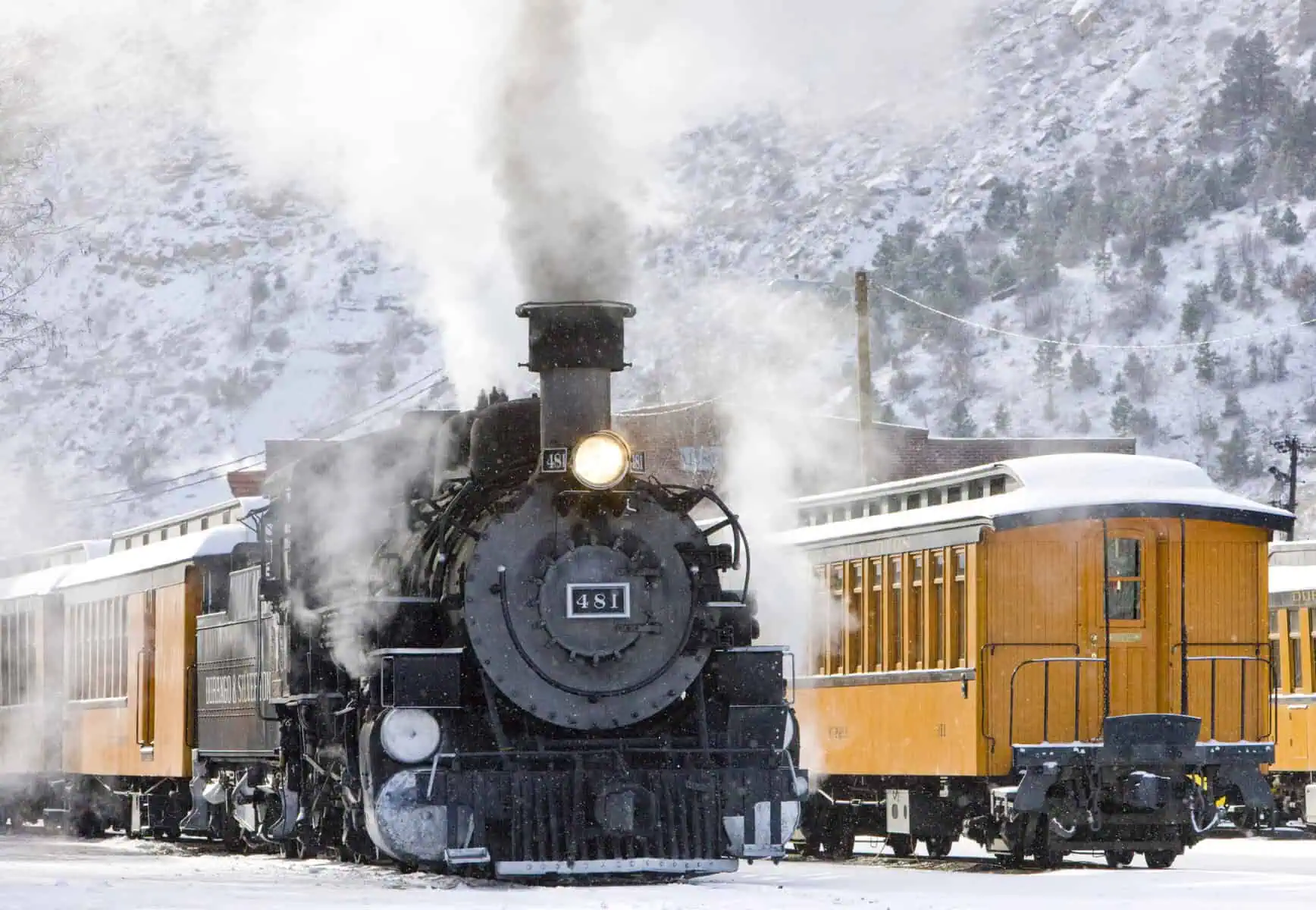
As a Coloradan who has been on it multiple times, I can tell you it never stops being spectacular. It’s a rare tourist attraction that earns its reputation.
Durango is also your best jumping-off point for Mesa Verde National Park, and if you’ve never been, clear a full day for it.
Where To Stay
6: ASPEN
Aspen is polarizing among Coloradans in a way that none of the other towns on this list are, and that probably says something. Think private jets, $50 cocktails, celebrities on the mountain, real estate prices that most residents of the state find genuinely hard to comprehend, etc.
All of that is real. And yet when Coloradans are asked where they’d send someone for the best ski experience, Aspen continously lands near the top.
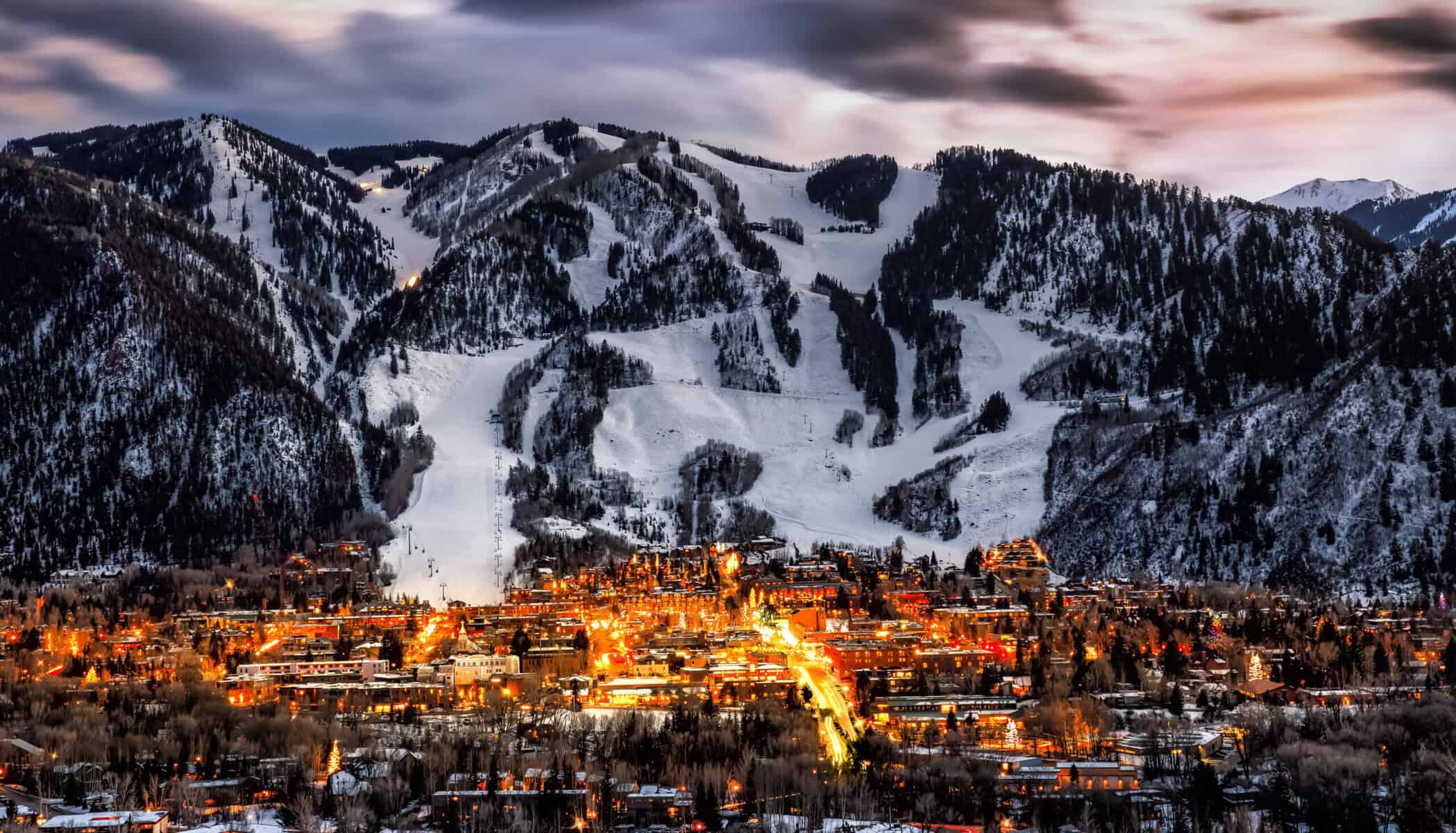
The skiing covers four mountains including Aspen Mountain, Aspen Highlands, Buttermilk, and Snowmass.
Combined, they represent some of the most challenging terrain in Colorado, and the snowpack and resort as a whole are consistently amazing. The X Games come here every January for good reason.
What surprises most people about Aspen is how much is going on beyond the skiing. Between the Aspen Music Festival, the Food and Wine Classic, and year-round performances at the Wheeler Opera House, the calendar is busy for a town of 7,000 people.
Aspen is also more accessible than most people assume. Staying in Basalt or Carbondale nearby and taking the free Roaring Fork bus into town is something a lot of Coloradans do, and it dramatically reduces the price of staying in the area.
Where To Stay
5: BRECKENRIDGE
Breckenridge is the town Coloradans recommend most often to first-time visitors. It’s the closest major ski town to Denver, it has history, and it has something for nearly every type of traveler.
The ski area covers five peaks with nearly 3,000 skiable acres and 187 trails that can fit every ability level.
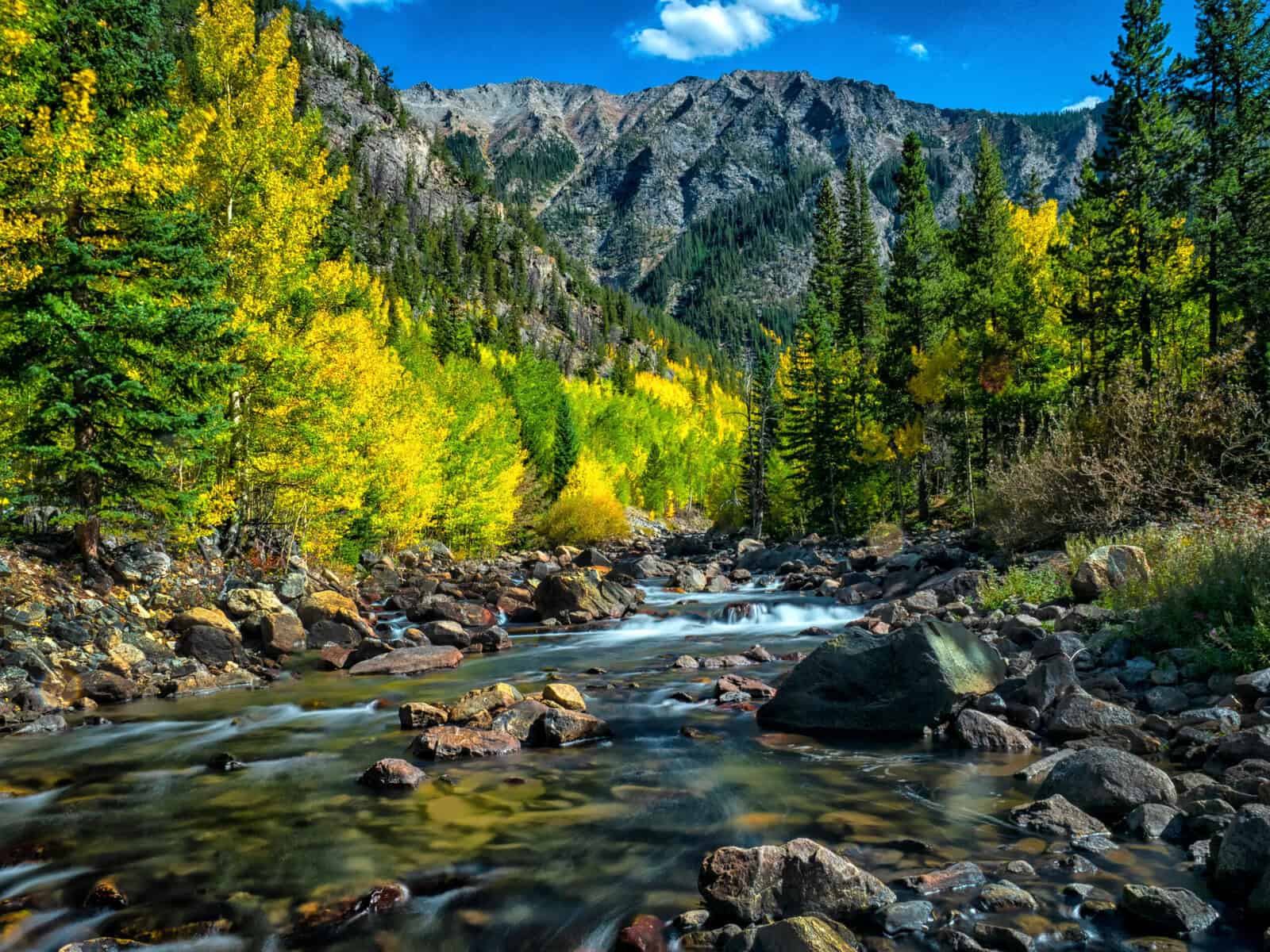
What locals appreciate beyond the skiing is the downtown, which is a genuine Victorian mining district that plays the part. Walking Main Street in winter or summer is charming, and the town has held onto enough character that it doesn’t feel entirely like a resort simulation the way some ski towns do.
Most people visit during the winter months, but summer in Breckenridge is increasingly worth the trip. The gondola runs year-round and connects downtown to the mountain with jaw-dropping views.
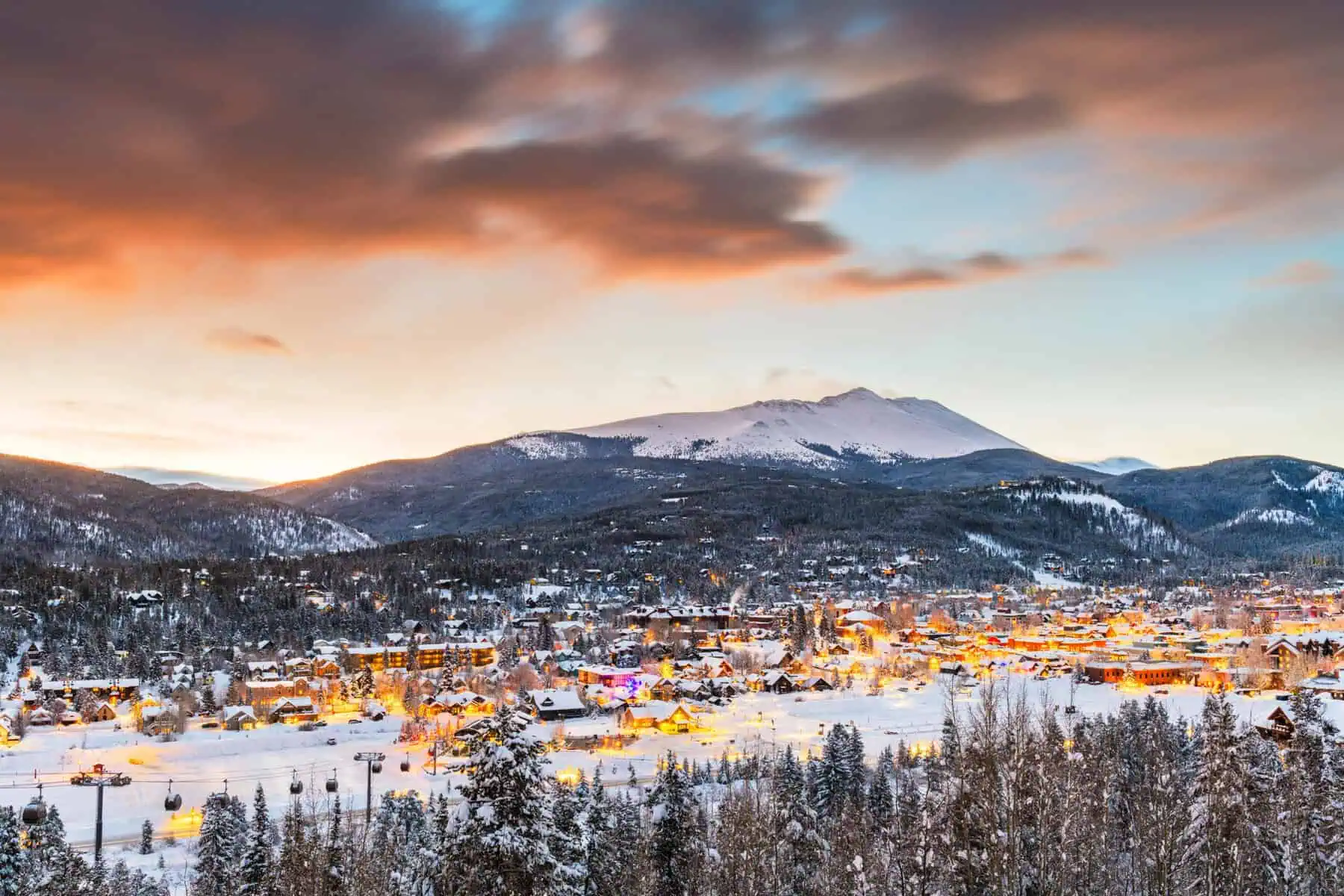
The hiking and mountain biking network is extensive, and the summer events calendar is packed nearly every weekend. Coloradans who ski Breckenridge in winter and bring family back in July often say the summer version is better than the winter version.
Where To Stay
4: ESTES PARK
Estes Park earns its spot almost entirely on location. It sits at the entrance to Rocky Mountain National Park, and nothing else in Colorado puts you closer to it.
Rocky Mountain National Park contains 415 square miles of protected wilderness, more than 300 miles of hiking trails, and Trail Ridge Road, the highest continuous paved road in the United States, which crosses the Continental Divide at over 12,000 feet.
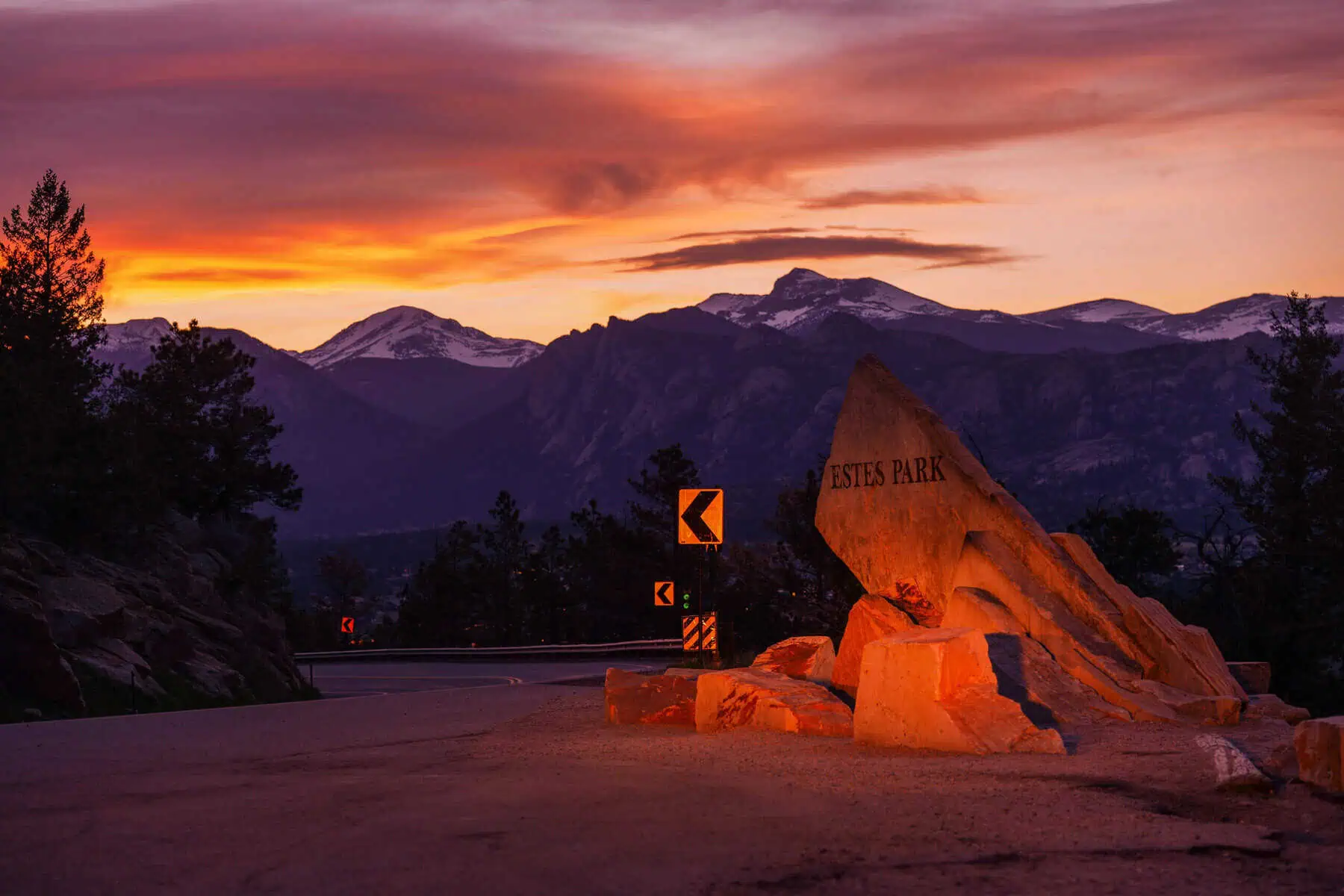
Elk walk through downtown regularly, and during fall rut season the bulls are bugling loud enough to hear from the middle of town. As a Colorado local I’ve driven over to Estes just for that, and it’s worth it every time.
The town itself is busy and touristy in the summer. In winter, the Stanley Hotel, built in 1909 and the inspiration for Stephen King’s “The Shining,” is one of the main draws. It’s one of the most iconic buildings in the state, and definitely worth visiting if you’re a horror film enthusiast.
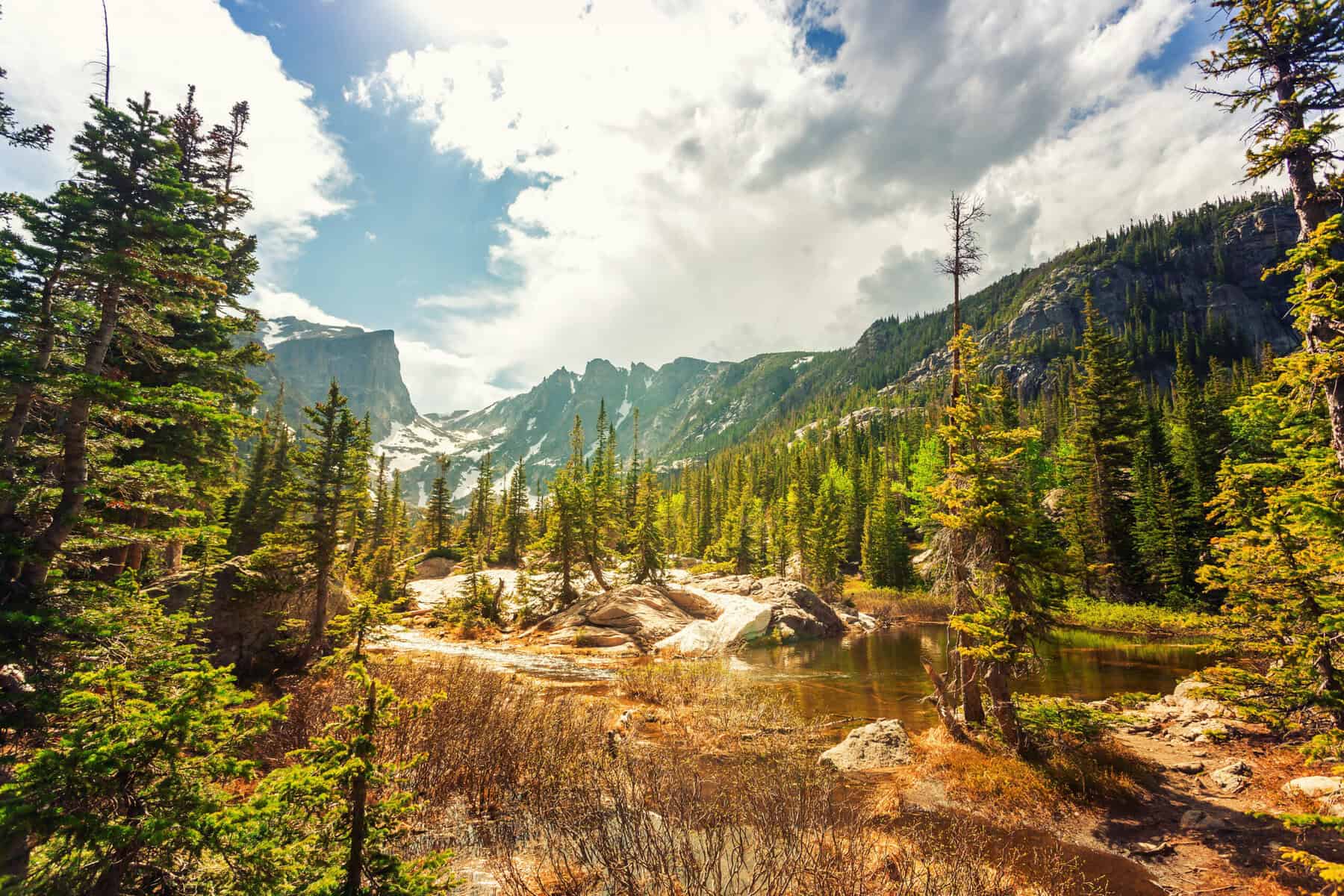
There are plenty of surrounding trails outside of the national park boundary, which offer solid hiking options without the timed entry permit that now apply to RMNP during peak season.
Where To Stay
3: CRESTED BUTTE
Among Coloradans who have been to Crested Butte, it probably generates more genuine affection than any other town on this list.

It gets called Colorado’s last great ski town because local’s describe it as a place that has somehow held onto its soul while the ski industry transformed nearly every other mountain town into a luxury resort destination.
There are no major hotel chains in Crested Butte, no big box stores, and the downtown looks similar to how it did before the ski resort opened.
The skiing is genuinely underrated. Crested Butte is known for its extreme terrain and some of the most challenging runs in the state, but there’s good intermediate skiing too. Above all, it feels different from the resorts closer to Denver.

While Crested Butte shines in the winter, the real gem is summertime. Every July, one of the most spectacular wildflower displays fills the meadows through the area.
The drive in from Gunnison, about 30 miles over a winding mountain road, keeps the casual crowds at bay and makes arriving feel like something earned. The drive in from Gunnison keeps the casual crowds away, and that’s part of what makes it feel like a hidden gem.
Where To Stay
2: TELLURIDE
It’s hard to argue that Telluride is one of the best mountain towns in the state of Colorado.
The setting is the first thing and it never stops being the thing. Telluride sits at the end of a box canyon at 8,750 feet, completely surrounded by the jagged peaks of the San Juan Mountains.
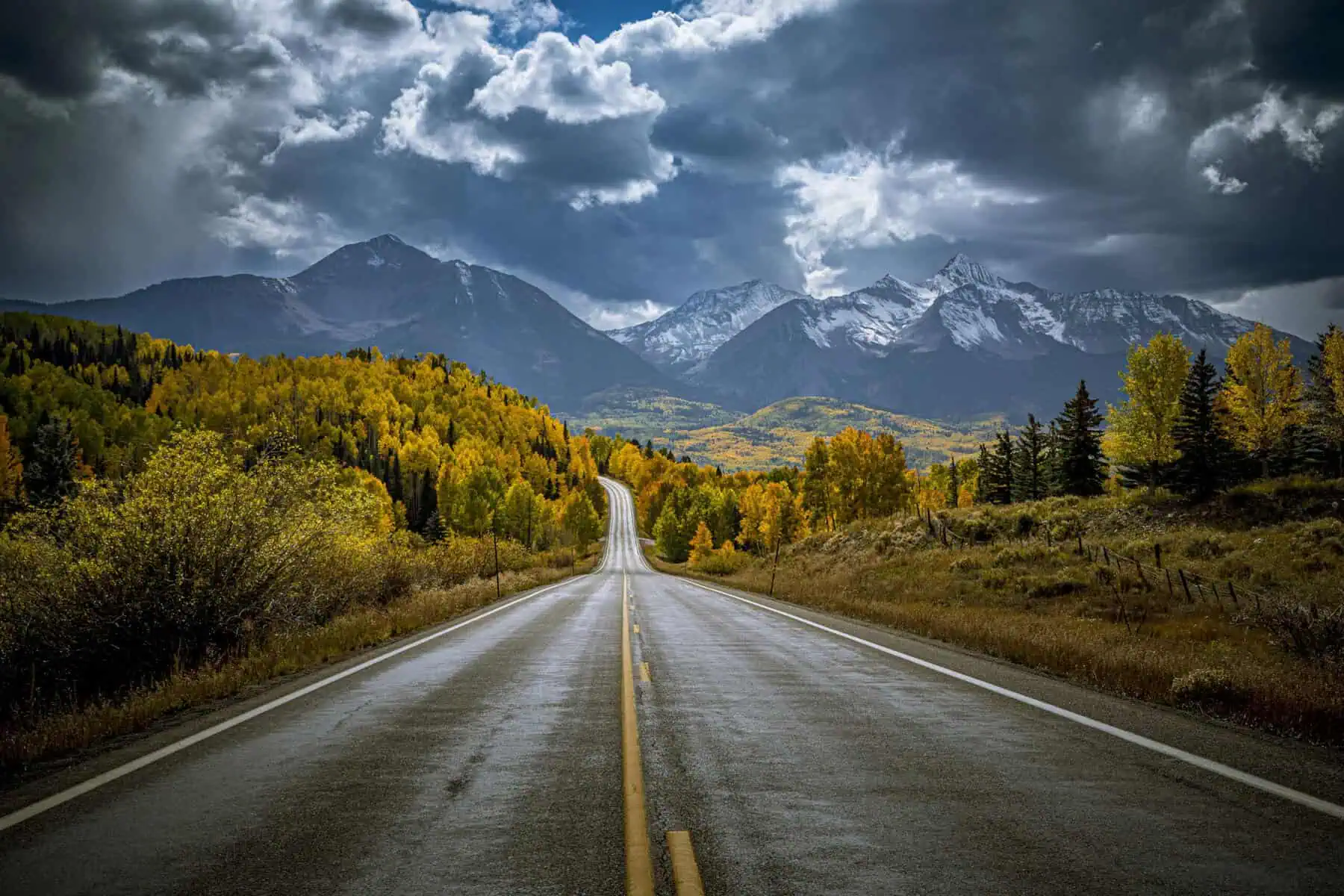
Bridal Veil Falls, the longest free-falling waterfall in Colorado at 365 feet, drops down the canyon wall at the end of town.
The town was built on silver mining in the 1870s and the bones of that are still there. Walking those 12 blocks genuinely feels like it, and locals are protective of keeping it that way.
The skiing at the resort is world class with more than 2,000 skiable acres. But Telluride’s true charm extends beyond skiing, which is part of why Coloradans rank it at the top.

The free gondola connecting downtown Telluride to Mountain Village is one of the great overlooked features. A 12-minute ride will bring you up 1,600 feet of elevation. The 360-degree views of the San Juans is unlike anything you’ll see in Colorado. It runs year-round and costs nothing.
Summer is the best season to visit Telluride (in my opinion). The Telluride Film Festival is one of the most prestigious film festivals in the world and regularly premieres films that go on to win major awards.
The Telluride Bluegrass Festival in June and the Telluride Jazz Festival in August fill Town Park, one of the most beautiful outdoor performance venues I’ve been to anywhere in my travels.
Free concerts happen in that same park nearly every weekend through the summer. The combination of the mountain setting and the frequent events makes Telluride one of the best destinations in the USA during summer.

But there is something to be mindful about when planning your trip.. Telluride is as remote as they come. The nearest commercial airport is about an hour away in Montrose, and the drive from Denver takes 6-7 hours over crazy mountain passes.
It is expensive, which means the accommodations and dining are at the higher end of most Colorado mountain towns. But I’m sure you’ll find the splurge totally worth it.
Where To Stay
1: OURAY
Ouray calls itself the Switzerland of America, and Coloradans who know it well will tell you that the nickname isn’t an exaggeration.
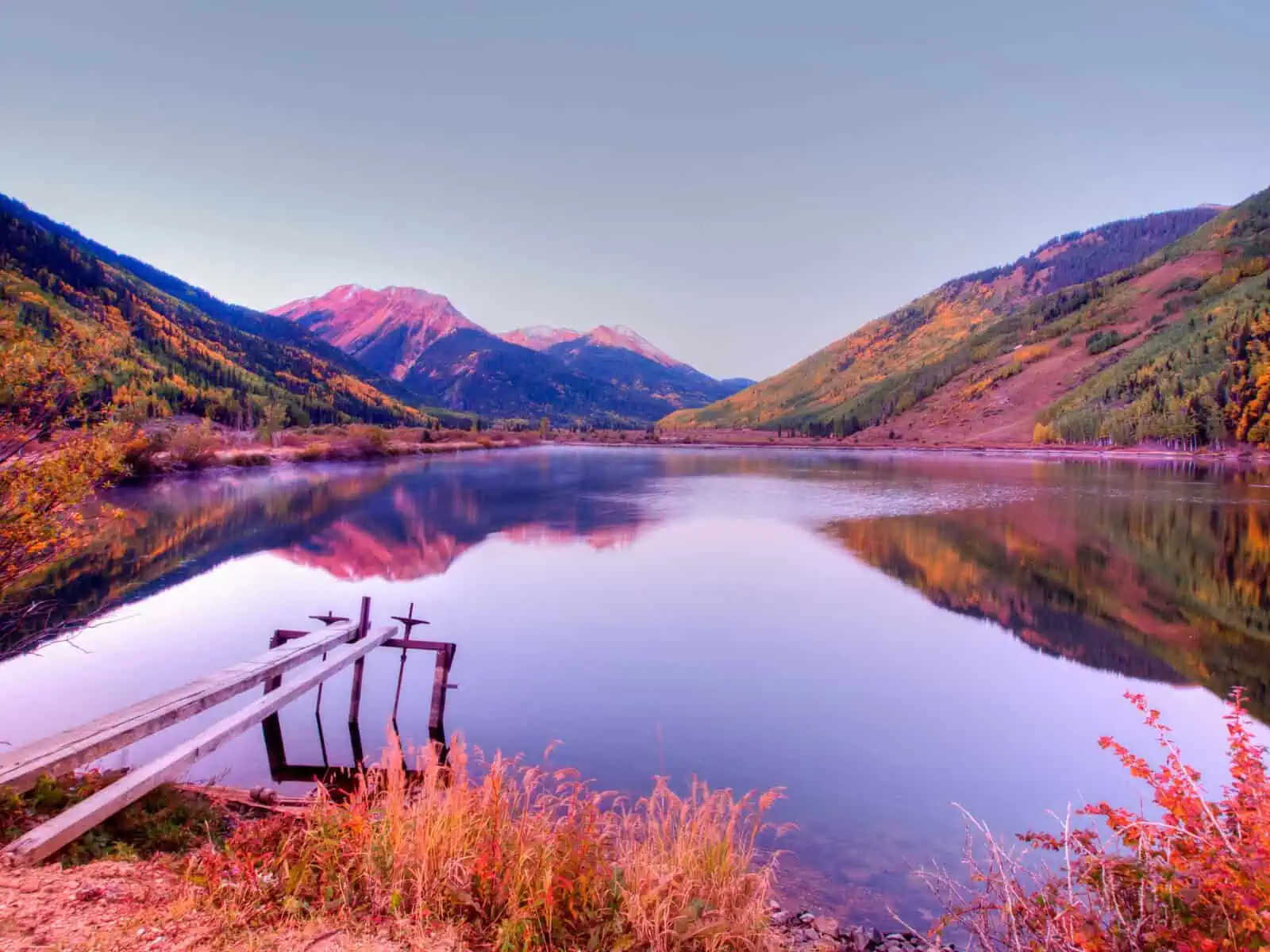
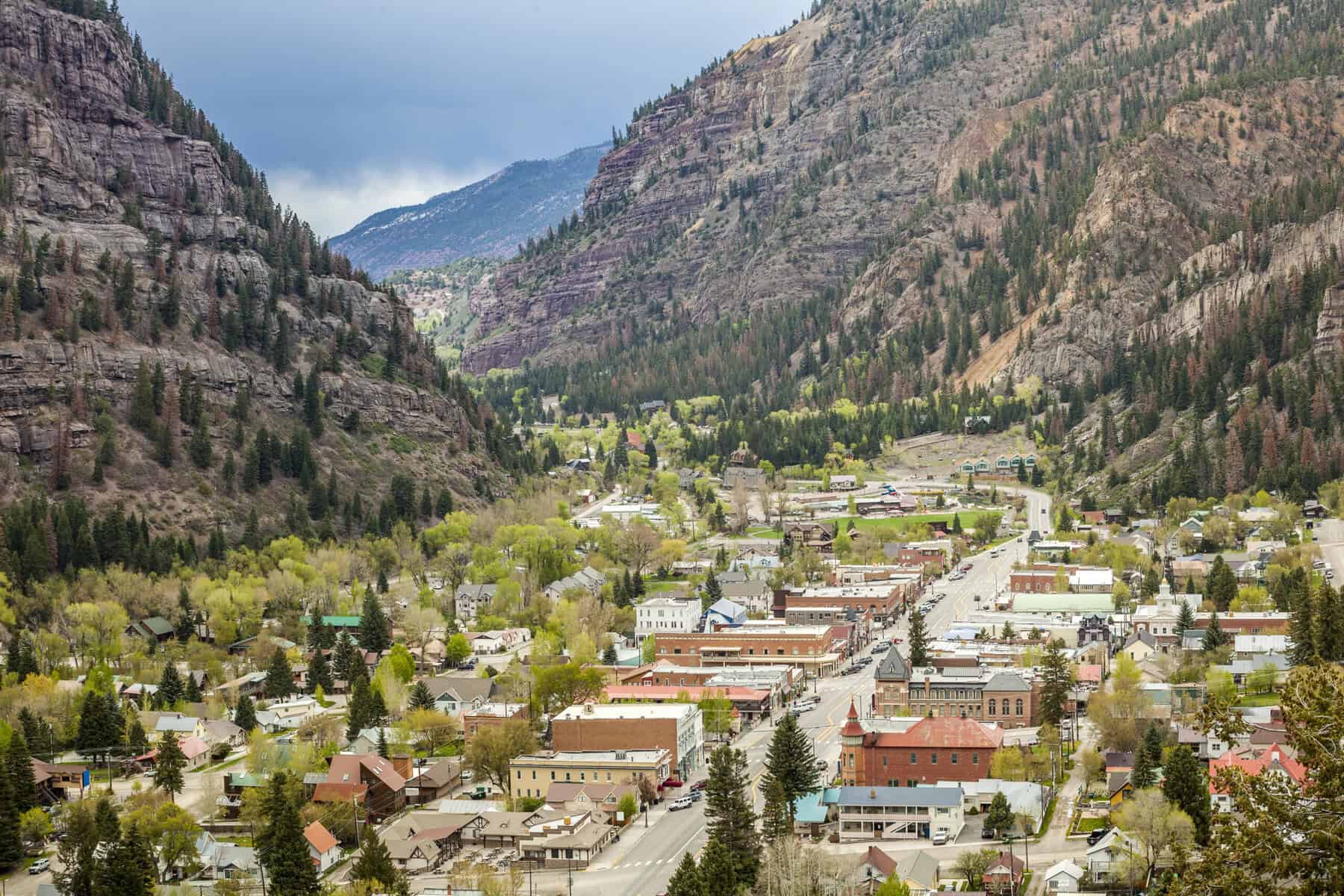
The town of about 1,000 permanent residents sits inside a narrow box canyon at 7,800 feet, completely surrounded by jagged mountain peaks rising on all sides.
The first time you drive into Ouray, the canyon closes in around you in a way that will make you stop the conversations in the car. It is one of the most dramatic town settings in Colorado, and that’s a high bar to achieve.
The hot springs here are also exceptional. The Ouray Hot Springs Pool is one of the largest geothermal pools in the state, fed by natural springs and it’s open year-round.
Soaking in an outdoor hot spring while surrounded by the canyon and snow-capped peaks in winter is one of those Colorado experiences you won’t find anywhere else. I’ve been in that pool in January and it is as good as it sounds.
In winter, Ouray becomes the ice climbing capital of the world. The Ouray Ice Park is an ice climbing area built into a natural river gorge, that draw climbers from all over the world every January for the Ouray Ice Festival.
The hiking in the San Juans is some of the best in the state, and Yankee Boy Basin in July is the kind of thing you have to see to believe. The Million Dollar Highway between Ouray and Silverton is also worth mentioning. Coloradans bring it up constantly when talking about why they love this state so much.
The Wrap-Up
Colorado has more great mountain towns than one list can fully capture. After polling thousands of Coloradans, it was clear that Coloradans value the towns that still feel like communities, and places where the character hasn’t been stripped out in favor of resorts.
You can start anywhere on this list and find something worth the visit. But if you’re asking where Coloradans themselves would send you first, the answer came back the same way thousands of times: Ouray.
Go see it for yourself, and you’ll understand immediately.
