Is Travel Insurance a Scam? Here’s What they’re not telling you

I have no idea how much money I’ve handed over to travel insurance companies over the years for trips that went completely fine.
And the one time we needed money back, it wasn’t an insurance policy that saved us, it was a credit card I’d been using for years and didn’t fully understand.
The truth is, most advice online is written by people who sell travel insurance (or affiliate for it), so the answer is always yes, buy it, buy it for every trip, buy the expensive one, you’ll be happy you did.
But there are some major caveats to that, and I think a lot of people don’t talk about them.
Listen, I am NOT telling you you shouldn’t get travel insurance. Some trips absolutely need a policy.. like the time my mom ended up in the hospital in Portugal for over a week.
But a weekend flight to see family with a refundable hotel might already be covered by something you own and forgot about.
So in this post, I’m walking you through both sides. When you can confidently skip travel insurance and keep that money in your pocket, and when you should buy it without a second thought.
Again, I am no expert when it comes to travel insurance, and you need to do what is best for you. But here are a few things you should think about:

When You Might Not Need Travel Insurance
We’ll start with the times where you might be able to skip travel insurance:
Check your credit card first
As a frequent traveler for over a decade, I should have known about this loooong before I actually did.

Sure, I knew credit cards were great for travel points, and I knew that they had some travel coverage, but I never took the time to learn more about what they offered for travel reimbursement.
A few months ago, I was looking through a Facebook group about credit card points, and several of the group participants mentioned how great a specific credit card was solely for the travel insurance coverage alone.
Low and behold, it was a credit card I already owned – the Chase Sapphire Preferred.
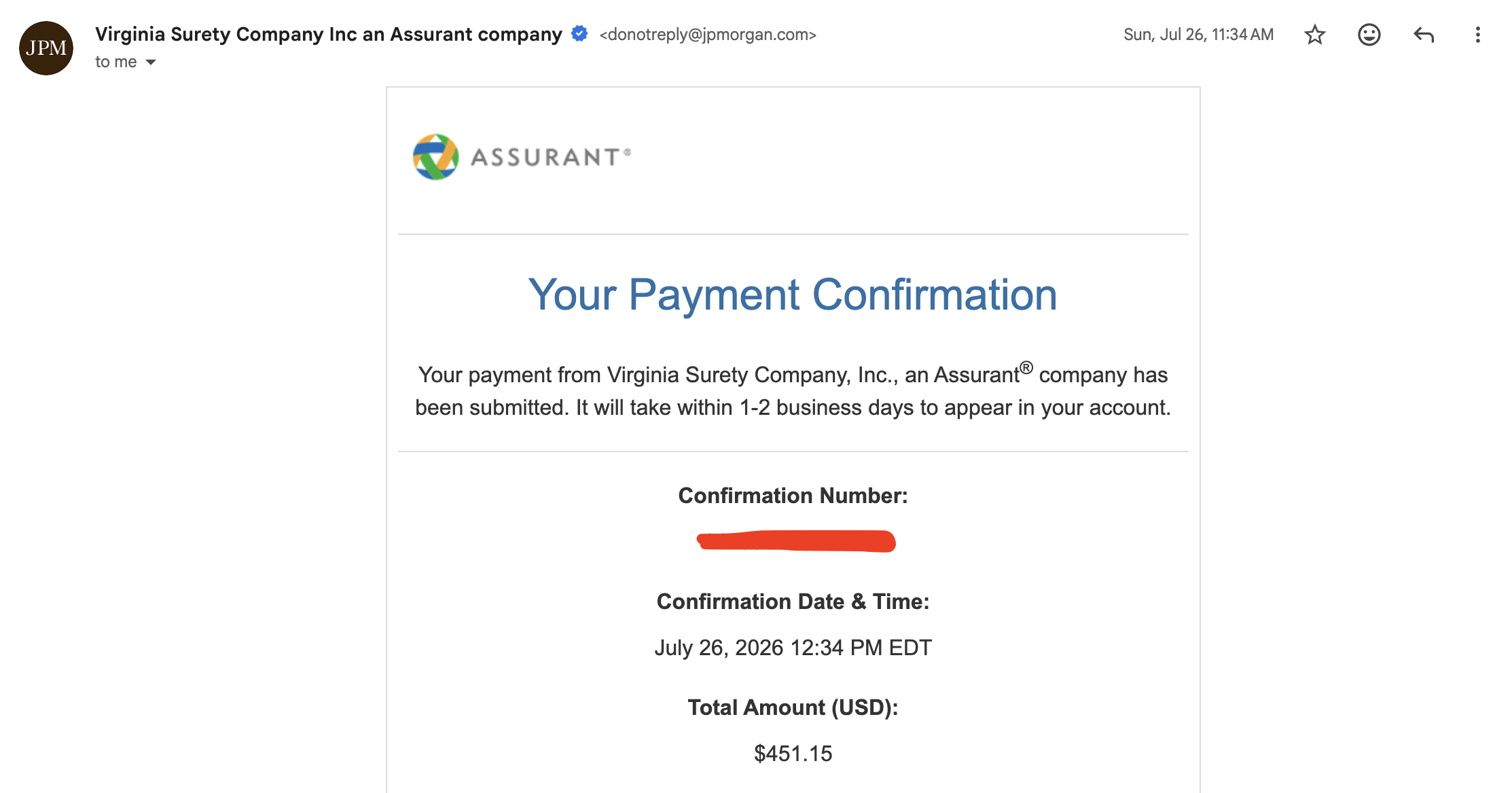
I have had this card for years, and I’ve always liked it, but I didn’t know it held so much value.
Interestingly enough, a few days later, Mike and I were unexpectedly in a position where we needed to cancel a trip. Northern Minnesota near Lake Superior was at the highest level of smoke it had ever been historically due to wild fires, and we were supposed to run a road race. HA! Yeah, right.
Unfortunately, our Airbnb had cancellation policies (and to be fair, we were supposed to check-in later that day), and we were only able to get back a small portion of our payment. It wasn’t the host’s fault, and it wasn’t our fault either.
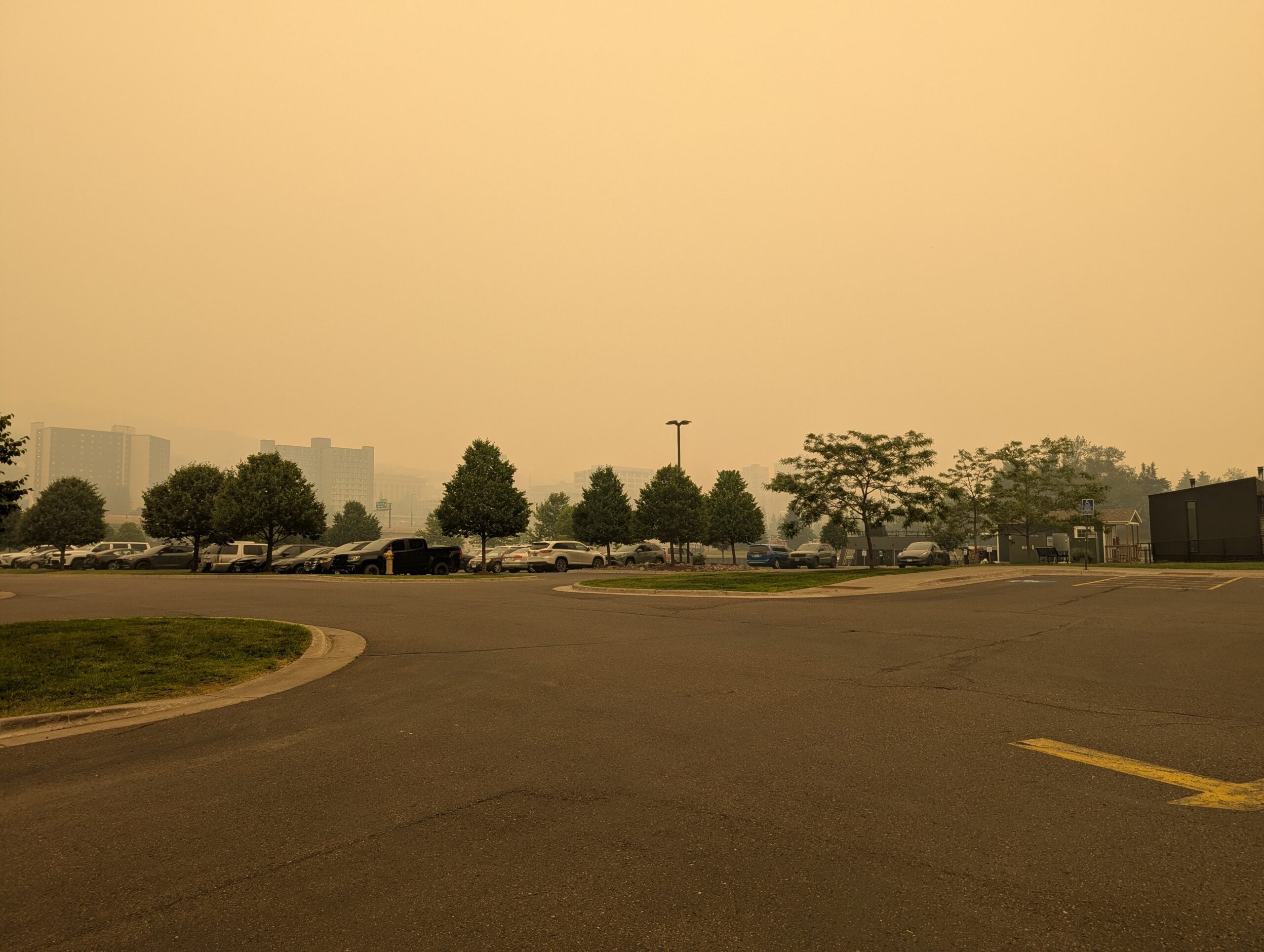
So I decided to give our credit card a shot. I filled out a quick form about our cancellation and used screenshots of the local weather website and even some news stories about the historical smoke, and sent them in.
About a week later, our claim was accepted and they refunded us the lost amount within 5 days. I was honestly mind-blown and extremely excited to know it works.
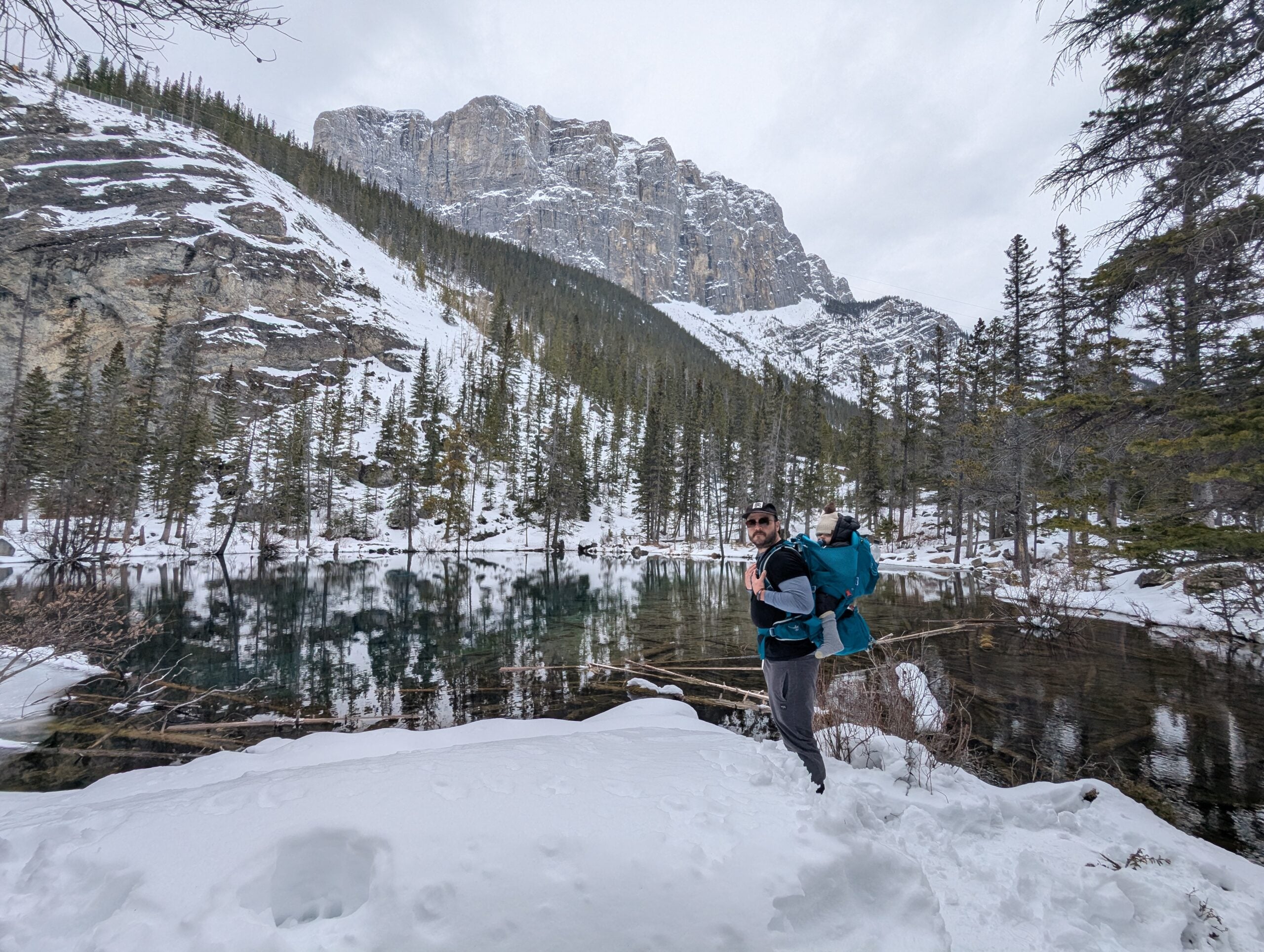
So before you buy a full coverage travel insurance policy, check with your credit card to see if they offer it for free.
IMPORTANT NOTE: Not all credit cards are created equal, and there are always terms you should read thoroughly before depending on it 100%. I like to take the terms and conditions from any company’s website and use AI to help me understand what it covers and doesn’t cover. That way I don’t have to sift through the complicated explanations.
If you’re insuring a flight or hotel that is refundable
I used to take the easy way out and just book hotels and flights at the cheapest rate possible.
But after the 5th or 6th time having to cancel a reservation due to unforeseen circumstances, I realized that I was spending more money to cut corners than it would have cost me to book the refundable hotels and flights.
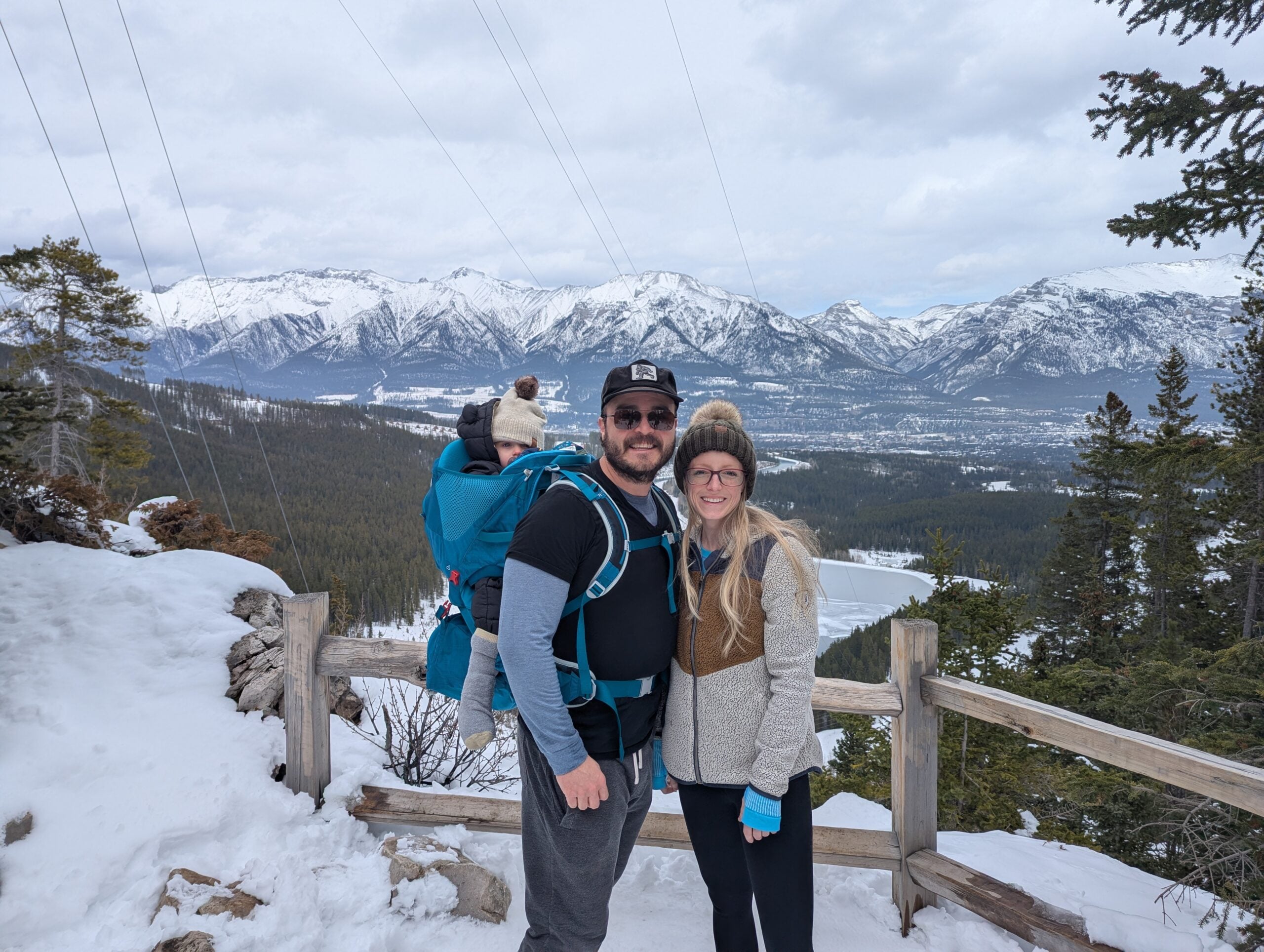
Of course, always read the terms and conditions of their refund policy (again, have AI help you understand it in simple terms), but I can guarantee that in the long run, you’ll save a massive amount of money by booking refundable tickets.
If you do book refundable tickets, you’ll also save on travel insurance because as long as your trip is primarily refundable, you won’t need a full-coverage policy, or one at all.

This is especially helpful when you pair refundable tickets with your credit card insurance coverage. Credit cards can help cover lost bags, etc. depending on the type of credit card.
The Financial Exposure Is Too Small To Insure
If your only non-refundable money is a $150 flight, then a $40 policy to protect that doesn’t really make sense. Insurance is for losses you can’t absorb, not ones that would only annoy you.
So before you buy an insurance policy, add up the money you would lose if you canceled the trip the day of. Does it make sense for you to cover that amount?
Mike and I decide to skip insurance often on short domestic flights because of this math. If it’s a weekend trip or we’re staying at a refundable hotel, there’s really nothing worth insuring.
You Booked Your Trip Using Points
Most travel insurance policies will cover the cash value of what you lost, but they don’t handle award redemption travel very well. I would know since I am an avid points traveler.

If you do have to cancel a points trip here are a few things I recommend doing proactively to protect your points:
- Book refundable hotels and flights with your points – you’re using points anyway, you might as well spend a few extra points to protect what you’re spending.
- Check your credit card’s travel insurance policy – since you’ll be using credit card points to book your trip, check to see what they say about cancellation, insurance coverage, etc. Again, I was shocked by how much my credit card pulled through for us.
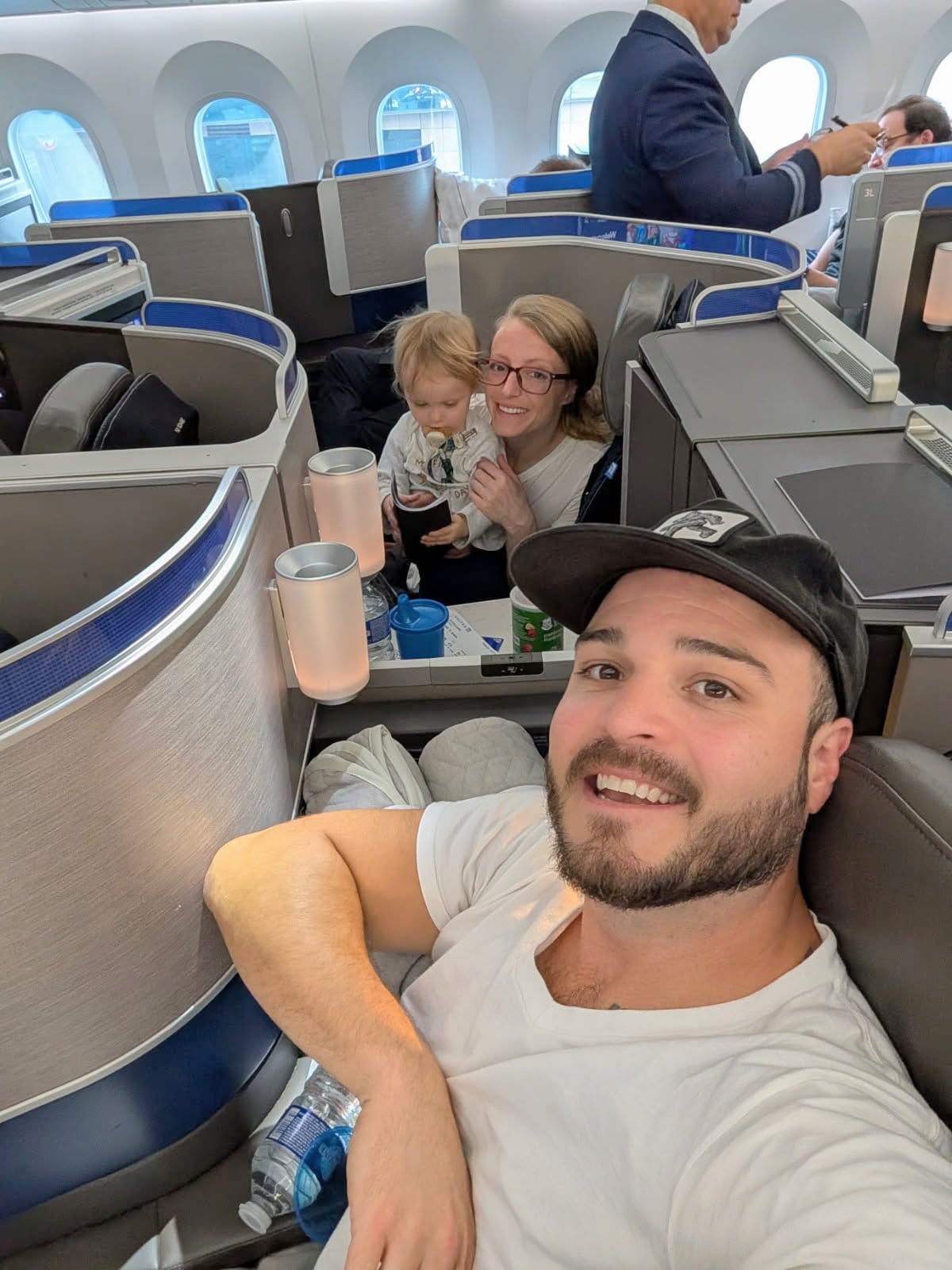
You’re Staying Domestic (And Your Health Insurance Covers You Nationwide)
One of the main reasons people get travel insurance is for emergency medical coverage or evacuation if you’re abroad. And this is legit (I’ll explain why in the ‘When Should You Get Insurance’ section below).
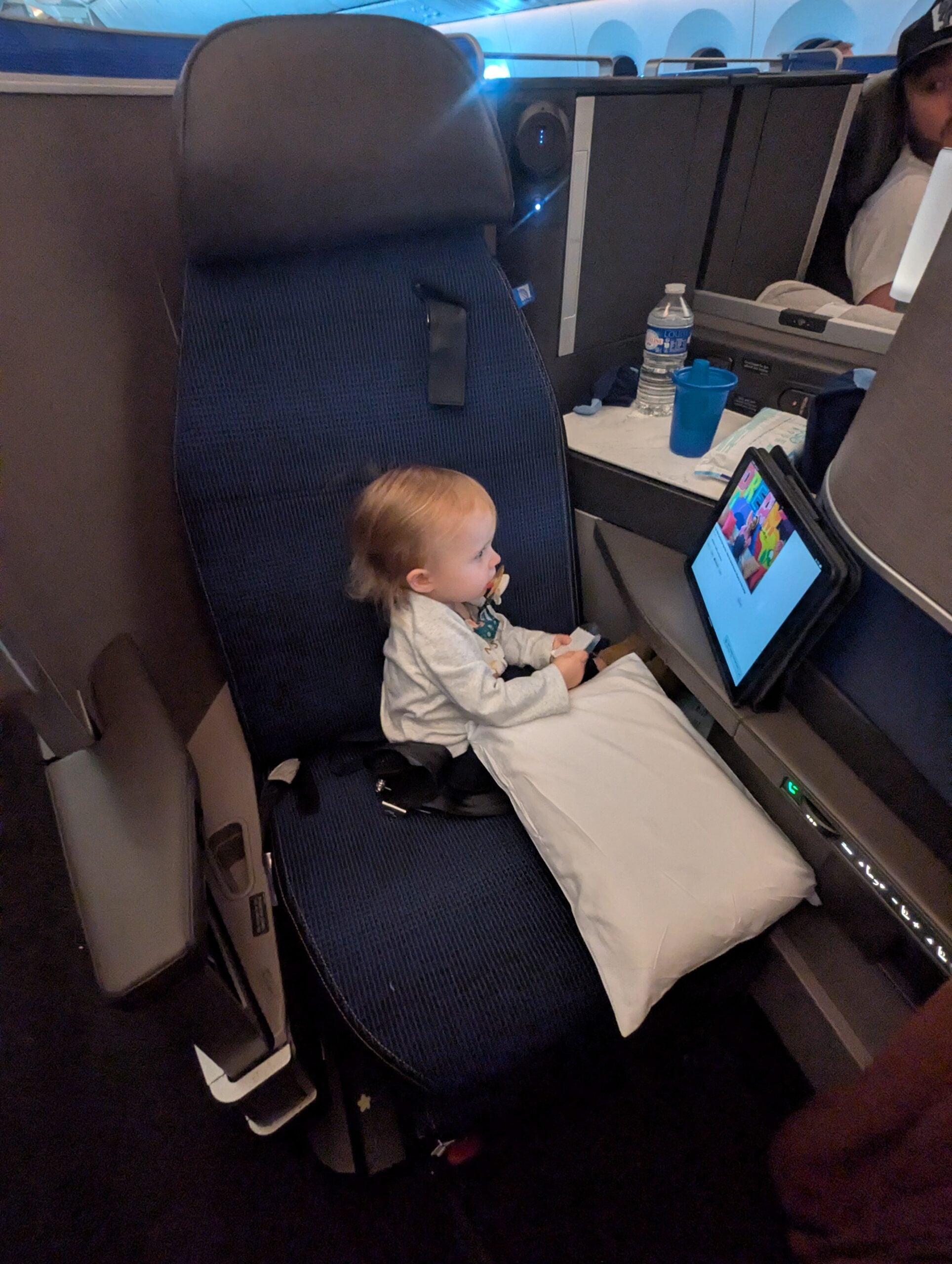
But if you’re staying domestic for your trip, check with your medical insurance in the States to see if you’re covered nationwide.
Listen, I know insurance companies can be slimy, but most of them will at least cover you in the US (as they should). If you have a policy that doesn’t.. you should shop around for a new medical insurance policy.
You Already Have Coverage You Forgot About
In similar fashion to how I didn’t realize the great coverage I had through my credit cards, there are probably other places you don’t realize you have coverage, too.

For example, some employers will offer coverage, AAA members, homeowner’s or renter’s policy which covers belongings off-premises, some health plans, etc. will cover worldwide emergencies.
A lot of people buy travel insurance because they don’t realize that most of their trip is already covered by one of the above options.
The Thing You’re Want Covered Isn’t Covered
I’ve seen a lot of people purchase travel insurance because they want to be covered no matter what.
Changing Your Mind
“What if I change my mind and we decide to go somewhere else?” That was a direct quote from my sister after she booked a trip to the Caribbean.

Sorry sis, but “I changed my mind” doesn’t count as a legitimate reason for a travel insurance company.
Pre-Existing Conditions
Not to mention, if you have any pre-existing conditions, you’ll likely be denied for those as well.

Known Storms or Disruptions
And something that was really interesting to me that happened recently.. I was in a Facebook group where a few travelers shared that they would be traveling to Hawaii. There were known storms approaching, but they decided to take the risk.
Well.. the travel insurance company denied them because this storm was known and they suggested that the travelers shouldn’t have booked the trip. Whether you agree or disagree, these are things to be aware of.

Adventure Activities
And the final thing you have to be aware of.. there are many activities you could have plans for (canyoning, hiking in the Grand Canyon, skydiving, etc) that are not covered by most insurance companies.
I was really surprised that the travel insurance company we usually use didn’t cover us hiking into Havasupai in Arizona.. It’s just a hike! But they wouldn’t cover it. Interesting, right?
Your Mishap Is Covered By The Airline
For a lot of people, they’ll buy travel insurance to cover lost bags, delays, etc. But did you know that a lot of carriers have liability limits and Department of Transportation rules?

For example, EU261 covers a lot of European flight disruptions, and filing with your airline is free.
Always check these things before panicking about travel insurance coverage.
You Only Need One Type of Coverage
Sure, your hotels and flights might be covered, but what if you’re injured and need to be evacuated to your home country?
If your worry is solely about medical evacuation, a travel medical policy might be the cheaper and smarter option for you. I’d check out Medjet or GeoBlue before committing to a full comprehensive plan with trip cancellation that you don’t need.
The Premium Is Ridiculously Expensive For The Trip You’re Taking
On average, comprehensive policies are about 4-10% of your insured trip cost. If you are running numbers and realize that your trip is going to be $1,000 and an insurance company is asking for $250 for a plan, you either want to shop around or consider another avenue for coverage.
Unfortunately, there are a lot of slimy insurance companies out there that take advantage of people and the possibility of something going wrong during travel. Be sure to do your research before committing to a ridiculously expensive policy.
When Should You Get Travel Insurance?
And of course, let’s talk about when you should definitely get travel insurance:
If You’re Leaving The Country
For most people, your US health insurance (and Medicare) won’t cover you beyond the USA. And for most hospitals abroad, you need to pay upfront. Not to mention, in serious circumstances, medical evacuations can run from $25,000 to $250,000+ depending.

There are many MANY cases for getting travel insurance and this is definitely one of them.
If The Majority of Your Trip Is Non-Refundable
Opposite of what I mentioned in the sections above, if your trip is primarily non-refundable, you’ll likely want to get travel insurance.
Cruises, tours, safaris, Airbnbs, wedding blocks, etc. are all things that tend to be non-refundable months before you ever go.

So be sure to do the math and determine if that money is worth protecting for you. If it is, get travel insurance and do it soon after booking your trip for maximum coverage.
Someone In The Travel Group Is Likely To Get Sick
This one hits a bit close to home for us..
My mother was diagnosed with stage 4 breast cancer in December 2022. She’s been fighting it for years. It’s not curable, but there are times when she’s really doing well.

In November 2025, Mike and I along with our daughter, decided to go to Portugal for 6 weeks. My mom has taken countless trips to visit us in places around the world, and we thought it would be extra special to have her along.
As it turns out, the chemo medicine she was taking during that time was giving her horrible side-effects, and she didn’t know it until she got to Portugal.

She spent 75% of her trip to Portugal in a hospital bed, and luckily for her, she was fully covered by her travel insurance policy.
If you are traveling with someone who has a weak immune system in any way, travel insurance is a safe bet.
Somebody NOT Traveling Could Get Sick
Along those same lines, Mike and I are taking another trip this year with our daughter, and since my mom is sick, we will be getting travel insurance just in case the worst case scenario occurs.
If you have someone in your immediate family that’s sick and you plan to travel, be sure to get insurance to cover your investment if you need to cancel or leave early.
The Destination Is Remote or Rugged
I once read about a girl that was spending a few months in remote Indonesia. One day, she went out on her motorbike, got into a serious accident, and was on life support. She didn’t have proper travel insurance, and they refused to pay for her to be relocated back to the United States.
Whether or not you agree with the insurance company, avoid this circumstance with travel insurance that covers all of the possibilities, especially when relocating to your home country could cost a LOT of money.
I’m not sharing this story to scare you, but it’s important to know what can happen and how to protect yourself from them.
You’re Traveling During Hurricane Season (Or Predictable Disruptions)
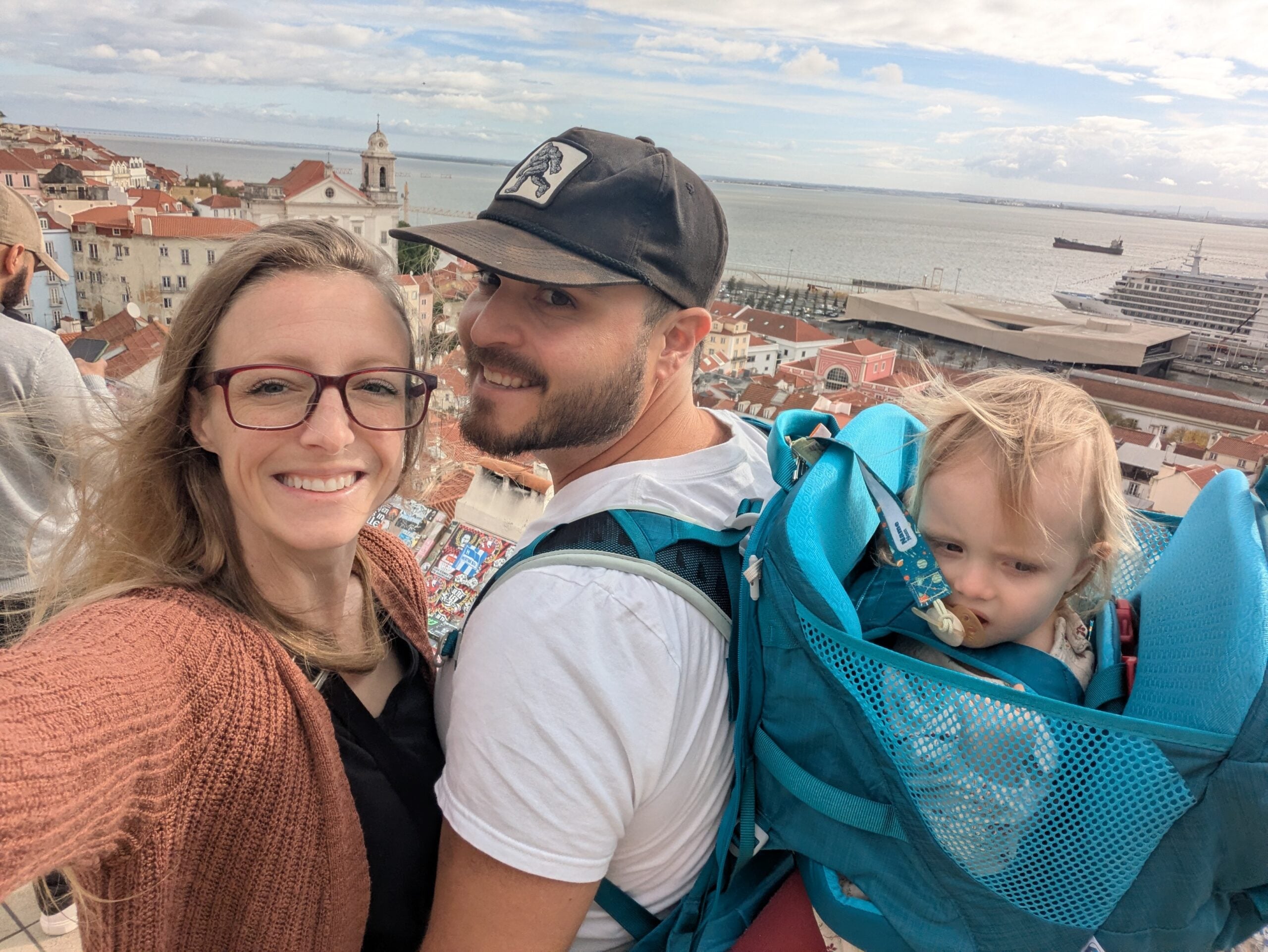
As you’re planning your trip, check the seasonal weather and what dangers you may be exposed to. For example, the Caribbean is subject to strong hurricanes in the fall. If you typically don’t purchase travel insurance for your trips, this is a strong case to reconsider.

I want to be clear that this is true for other natural disasters as well. Research the location you’re going to; is it monsoon season? Are there a lot of landslides? What does that mean for you and your trip?
Your Itinerary Is Diverse
If you’ve booked a lot of separate flights or a tight connection to a cruise departure, then one delay can break your whole trip. Trip delay and missed connection coverage does exist, and during these circumstances, you’ll be glad you got travel insurance.

You’re Going Somewhere Unstable (Politically or Medically)
When I was living in Thailand as an English teacher, the King had just passed away, and the country went under martial law. To me, nothing dangerous was occurring, but to be safe, I had insurance to cover me in case I needed to be relocated back to my home country.

If you’re going somewhere that is under political unrest or even somewhere where adequate hospitals take a flight to get to, you’ll want to consider travel insurance to cover those instances.
Your Credit Card Coverage Has A Gap
I’ve been singing the praises of credit cards and their travel coverage, but the truth is, travel credit cards aren’t perfect. And they are big corporations after all.
Most cards will cap trip cancellation at around $5,000 to $10,000 per person or they’ll only cover limited reasons. Other credit cards might not have medical evacuation either.
So determine these potential risks, and consider covering yourself for the things your credit card might not cover.
You Might Have To Cancel For A Non-Covered Reason
Although I mentioned that travel insurance policies typically don’t cover you for certain reasons (i.e. “I don’t feel like going anymore), there are policies that have “Cancel For Any Reason” options.
Of course, this is going to cost you 40% to 50% extra and it might only reimburse you for 50-75% of your trip cost, but it might be a good option for people that want ultimate flexibility and at least some coverage.

The Trip Is Expensive and Once-In-A-Lifetime
Listen, I’ve taken the bucket list trips to the Maldives and Bora Bora and Easter Island. And for the most part, they require a lot of planning and a flexible wallet. Luckily, none of those trips were interrupted or required me to use travel insurance, but had something gone wrong, I would have been out a LOT of money.

If you’re taking an expensive trip (this is surely applicable to honeymoons, Disney trips, anniversary getaways, etc), I would insure it without hesitation.
Travel insurance isn’t a yes or no situation, and I think most people treat it like it is. Even worse, most people buy it for every single time they leave their state without fail even when they might not need it.
Instead, I encourage you to see it as, “what am I really risking on this specific trip?”
Do the math before you buy, check your credit card, check your health insurance, and add up what you’d lose, and then from there you can make a smart and informed decision.
