17 Ways to Never Pay Baggage Fees Again
Affiliate disclosure: Some of the links below are affiliate links, which means we may earn a small commission if you sign up or book through them, at no extra cost to you. We only recommend tools we use and love.
Am I the only person who feels like baggage fees just keep increasing?
And it’s not like an “every few years we increase the baggage fees” kinda thing.. it’s like every time I go to the airport now, it costs more and more.
Personally, I think it should be illegal for airlines to charge baggage fees. I’m going on a flipping airplane for crying out loud, OF COURSE I need to bring a bag.
But I digress.
And don’t worry, this post is 95% helpful and 5% complaining, so now that I’ve hit the complaining quota, it’s time to get into the tips and tricks that will help you avoid baggage fees for good.
1. Open Airline Credit Cards
This is by far the easiest way to avoid airline baggage fees.
Now I know what you might be thinking.. there’s no way you are going to open a credit card, have it affect your credit score, and have to spend extra money just to save a few bucks.
But the math does math here, and it’s a lot less “risky” than you might think. I’ll break it down for you below:
First, opening credit cards only temporarily affects your credit score. And as long as you pay your bill on time, your credit score should actually go up. I have 12+ credit cards and my credit score is over 800.
Second, the point of opening a travel credit card is NOT to spend more. Put your everyday expenses on travel credit cards, don’t invent new bills just because you have a credit card.
And third, by opening a simple travel credit card, you could easily earn 80,000+ travel points for any given airline, which is a free roundtrip ticket to many, MANY places. You could even squeeze two roundtrip tickets out of that.
My recommendation is to choose the credit card for the airline you fly the most, which is typically the airline that has the biggest market share at your closest airport.
Now let’s break down the math because most airlines will offer free bags if you have their credit card.
- American Airlines – $0 introduction fee, $99 annual fee after that. A free bag for you and up to four guests on the same reservation is included.
- Delta – $0 introduction fee, $150 annual fee after that. A free bag for you and up to eight guests on the same reservation is included.
- United – $0 intro fee, $95 annual fee after that. A free bag for you and one other guest on the same reservation is included.
- Alaska Airlines – $95 annual fee. A free bag for you and up to 6 companions on the same ticket is included.
Now let’s think about how much bags are per airline..
For all of the airlines listed above, you’re looking at $45 to $55 for your first checked bag (one-way), and even more for the second and third bags, if needed.
Therefore with just one trip, your baggage fees will meet or exceed the cost of the credit card’s annual fee, which is waived the first year for most co-branded cards. So, you might as well just get the card, get the sign-up bonus, and be less grumpy about paying bag fees because you won’t have to anymore!
The costs of bags will increase quickly if you have more than one person on the reservation that needs to check a bag.
If worst comes to worst and you realize you’re not flying enough to justify the annual fee, cancel or downgrade the credit card. Yes, your credit score will take a temporary hit, but again, I’ve canceled many, many credit cards over the years and I still have an excellent score. It always bounces back.
2. If you’re flying with a baby, you’re in luck!
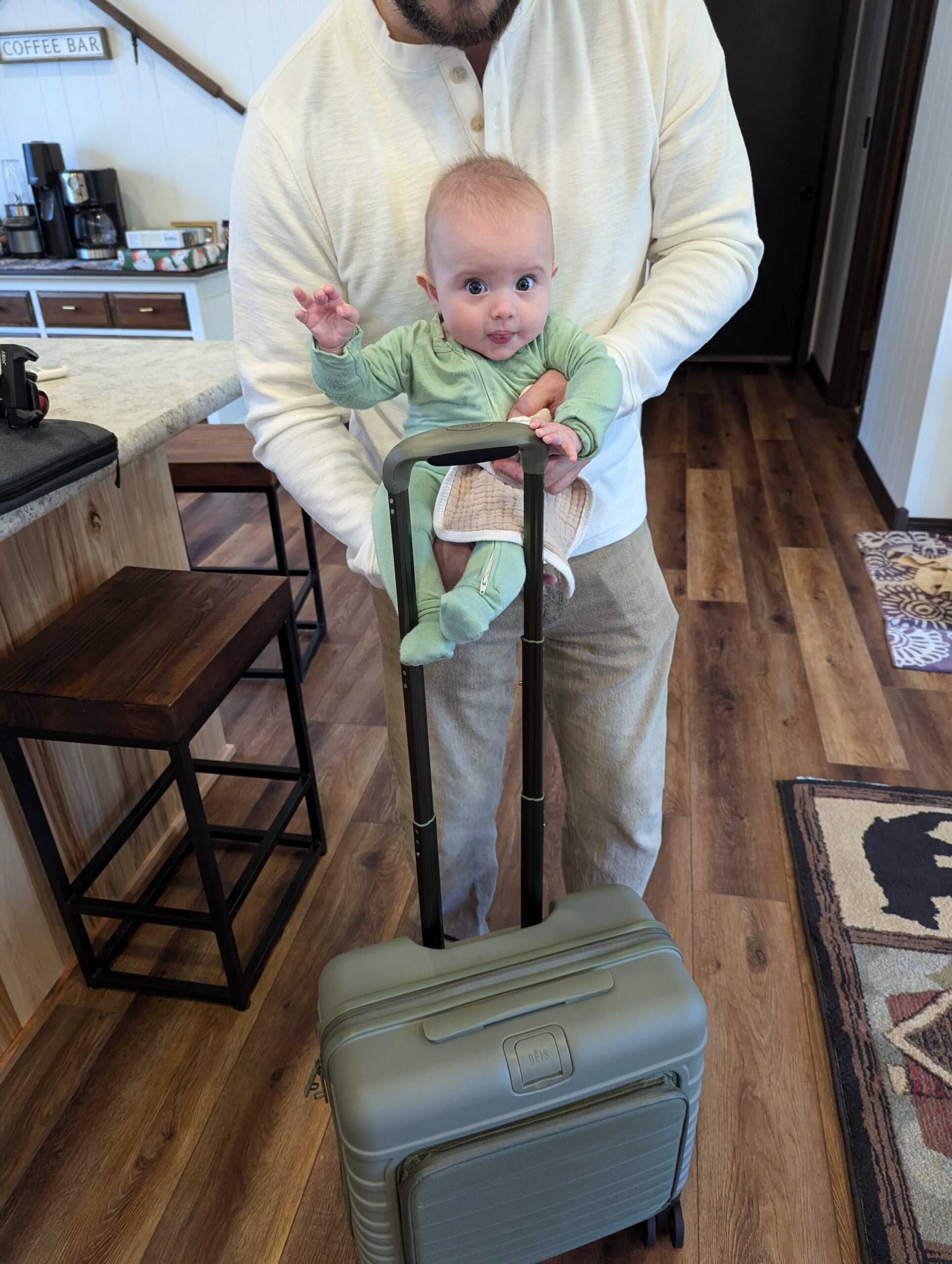
When Mike and I had Ellie, 99% of travel-related things became more difficult. We were prepared for that.
But there are also a lot of perks when it comes to traveling with a baby, and more leniency around bags is one of them. Let me explain..
Car Seat Bag
When you’re packing for a baby, toddler, or young child, you obviously have to think about bringing a car seat. And sure, the extra weight and lugging it around is a hassle, but here’s something most people won’t tell you..
..get yourself a car seat bag that’s big enough to fit your child’s car seat AND a few extra things. Airlines don’t charge you to check a car seat (because they shouldn’t anyway), so this is free baggage.
Ultimately, we bought a giant car seat bag from Southwest when we forgot ours at home, but here’s one that looks exactly like the one we use.

As you can see, it’s a pretty big bag, and there’s more than enough room to fit a car seat, and a few jackets, maybe some diapers, a blanket for your child, etc.
We’ve only had one airline ask us if there was extra stuff in our car seat bag (out of 30+ flights with our baby), but it was a blanket for our baby, and she didn’t think twice about it.
Diaper Bag
Another item that airlines allow you to bring on the planes for free is a diaper bag. And I don’t know about you, but our diaper bag is relatively big. It’s the size of a school backpack, and it fits a LOT of things in it.
Yes, we pack the essentials like diapers, wipes, snacks, etc. But we also use our baby’s diaper bag to pack some of her clothes, books, and other items we can’t fit into our checked suitcase.
3. Check-in online and skip the check-in counter
If you’re only bringing carry-on luggage, check in online or through the airline app during the 24-hour window before your flight. Once you do that, download your boarding pass on your phone, in the airline’s app, or print it out at home.
If you go to the airport with your boarding pass and a carry-on bag, you can skip the check-in counter, which is where most of the crackdowns happen.
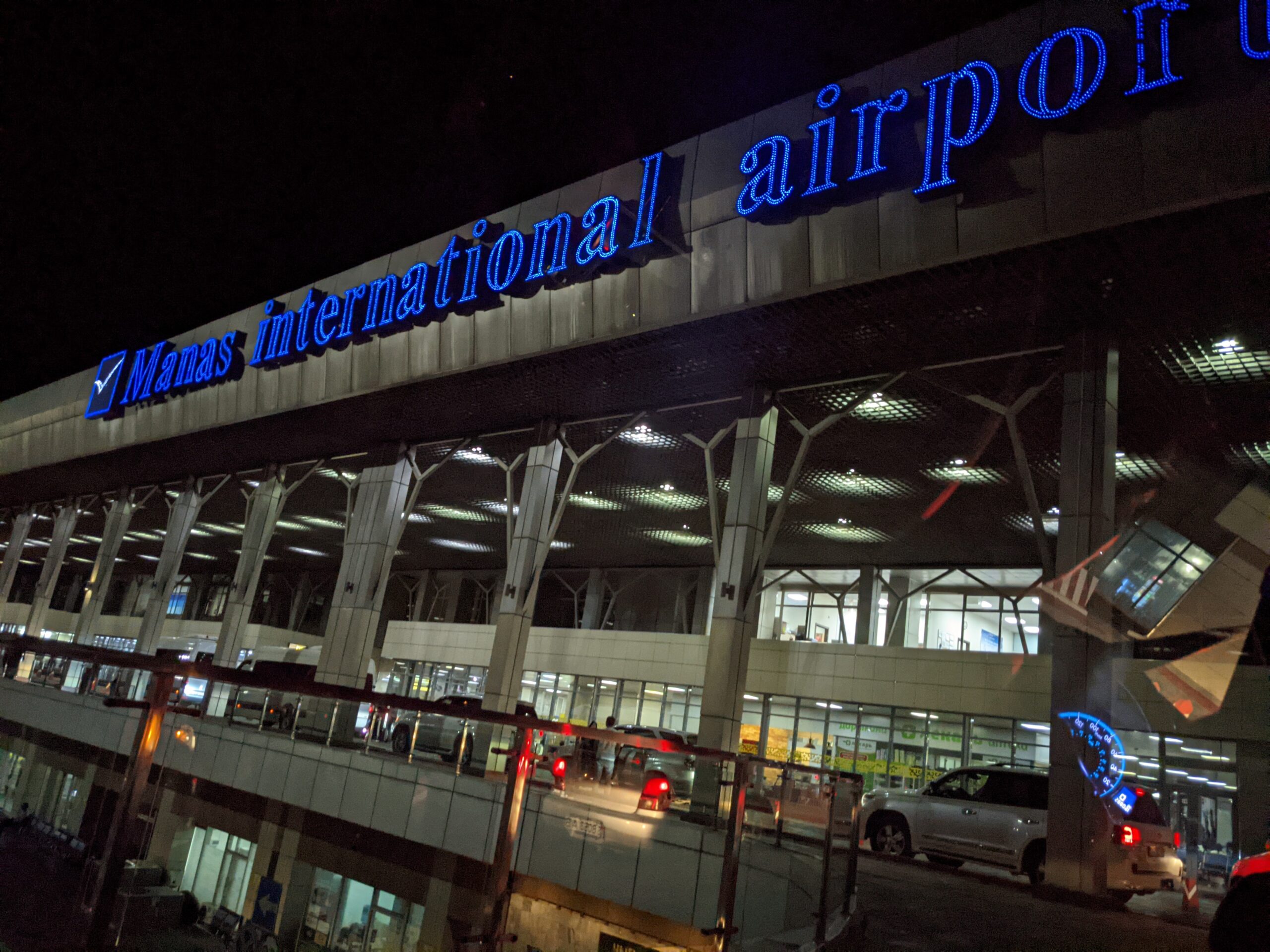
Most gate agents don’t check the details that the check-in counter agents look for like size, weight, etc. And security certainly doesn’t care because they don’t work for a specific airline; they are just there to make sure people are safe and following TSA guidelines.
Now I’m not saying this is a sure win, but it has worked for us many, many times. That said, if your carry-on is too big, be prepared to pay a fee at the gate.
4. Don’T Buy Basic Economy tickets
I get it.. basic economy is such a tease. They show these crazy low prices for tickets and it’s so tempting to get excited and book the $140 roundtrip flights.
But if you purchase basic economy tickets, prepare yourself for many, MANY fees, including baggage feels of all sorts.
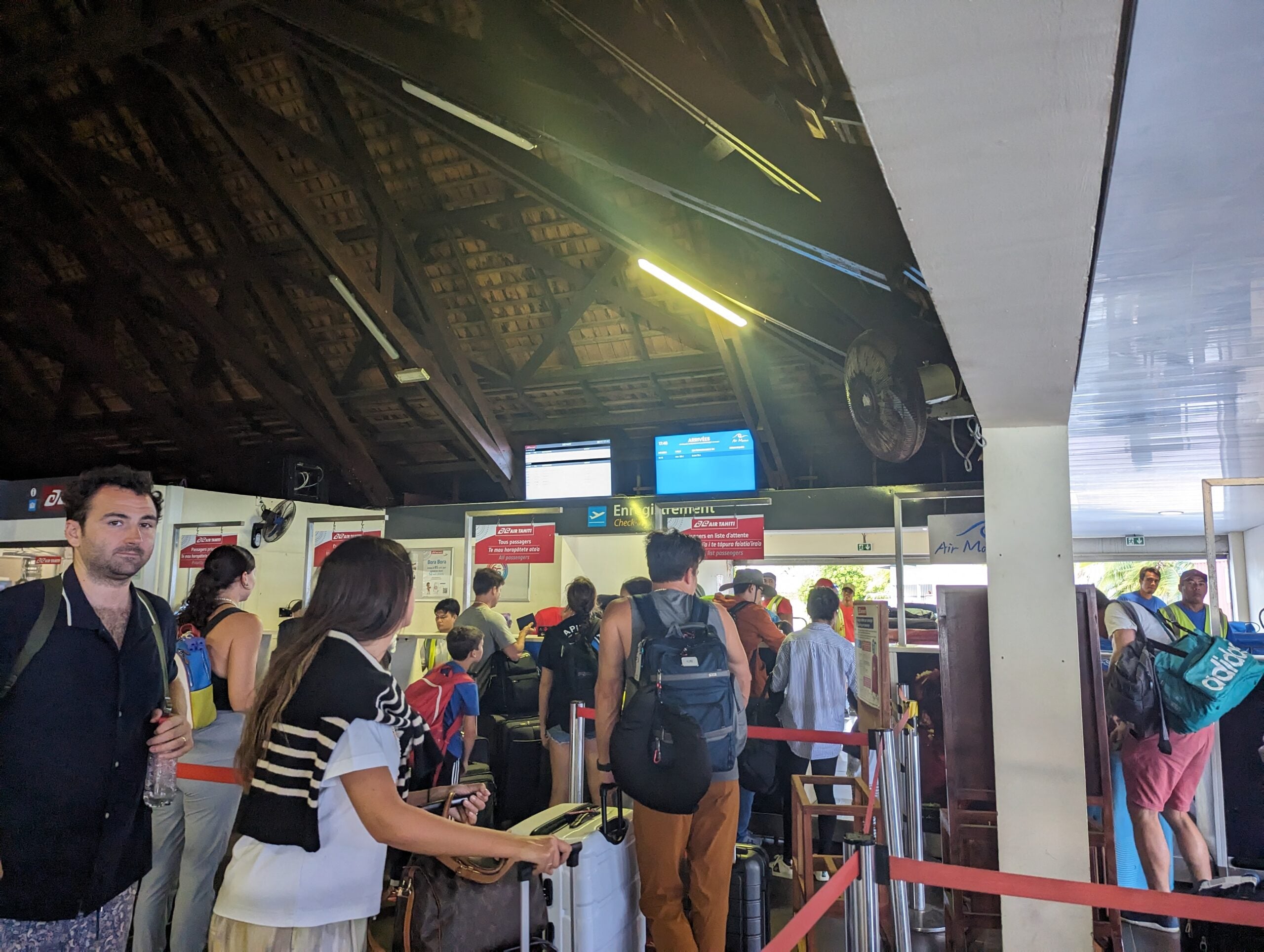
Most airlines allow you to bring a personal item and carry-on bag for free, but if you’re flying basic economy, don’t expect that to be the case. Instead, upgrade to the main cabin pricing so you can get your free carry-on bags. It will typically save you a lot of money and headaches.
5. Max out your personal item
Before you pack for your trip, look up the dimensions your airline will allow for your personal item. That way you can get the biggest bag you can fit into those dimensions.
Most people use a purse or laptop bag as their personal item, but the best option is actually a backpack because you can fit a heck of a lot more into a backpack.
6. Travel with a Soft Bag instead of a rolling suitcase
When we think of suitcases, we typically think about the hard rolling suitcases that almost everyone uses. But think about the fact that those suitcases can weigh 7 or 8 pounds without anything in them..

If you switch your suitcase to a soft bag or duffel bag, that gives you an extra 7-8 pounds of wiggle room for extra clothes, shoes, or essentials.
The difference is that most fabric or soft bags don’t roll, but there are some that do like this one!
7. Pack For your strictest Airline
Every airline has different size and weight limits when it comes to carry-on and checked bags. International airlines like Ryanair and easyJet are almost always stricter than US-based airlines.
Those type of budget carriers in Europe require that your carry-on is between 7 to 10 kilos (or about 15 to 22 pounds). That’s a lot less than what you’re allowed to bring on a US-based flight.
With that in mind, check the rules for all legs of your trip and pack your bags according to the strictest one. We learned this the hard way. We flew a route where the first transatlantic journey was very generous, but Ryanair’s fees for our shorter flight were brutal.
8. Buy a cheap luggage scale and weigh your bags at home
You’ve probably seen a few influencers on social media with their luggage scales and rolled your eyes, but for $10 to $15 these little gadgets can save you a lot of money.
Always weigh your bag at home before you leave so you’ll never be blindsided with a huge fee at the counter.

You could also just hold your bag and get on your bathroom scale, then step on it again without your bag and subtract the difference. Either way, have a general idea of how much your bag weighs.
If you notice that one of your bags is on the heavier side, shift some of your items from your checked bag to your carry-on and vice versa.
9. Wear your heaviest Clothing and shoes
Anytime we head to the airport, I am wearing my heaviest shoes (usually hiking boots or walking shoes), jeans, and a sweatshirt. I also tie my jacket or another sweater around my waist for good measure.
Doing this takes a lot of the heavy clothes I would have packed in my suitcase out, leaving room for more items.
The biggest downfall with this is that it can get hot quickly, and since you’re wearing all of your heavy clothing, walking around takes more energy. But it’s still one of my favorite hacks, and nobody says a thing about it.
10. Get to the airport early
There are two reasons why you should arrive at the airport early.
First, if you check in with an agent early, the plane usually isn’t near its weight capacity yet, so agents tend to be more lenient with a bag that’s slightly over the limit. If you show up later, the flight might already be tight on space, and that means they will be more strict with your baggage weight.
The second reason you should arrive to the airport early is that it gives you time to deal with a problem if your bag is overweight. You can rearrange things into different bags, put on a layer, etc. And you won’t be anxious about time.
11. Be willing to throw Things away
If your bag is a couple pounds over and the fee is $75, it is usually cheaper to just throw away a few things you don’t mind buying at your destination. Things like shampoo, an older pair of shoes, etc.
I wouldn’t do this with anything that I can’t replace easily or costs a lot, obviously, but for the stuff that’s replaceable, you’ll actually come out ahead if you toss it.
12. Pack a foldable duffel bag
If you end up buying some souvenirs while you’re traveling, I recommend packing a foldable duffel bag on the way to your destination rather than trying to leave enough space in your bag or packing an extra suitcase.
Only pay for that extra bag on the way back!
13. Don’t hover right at the gate
If your carry-on could be considered big, don’t wait right at the gate to board. You’re basically advertising your questionably large bag, and gate agents are much more likely to catch it if you’re standing there.
I recommend sitting a little further back as they are calling up passengers, and then walk up when your group is called.
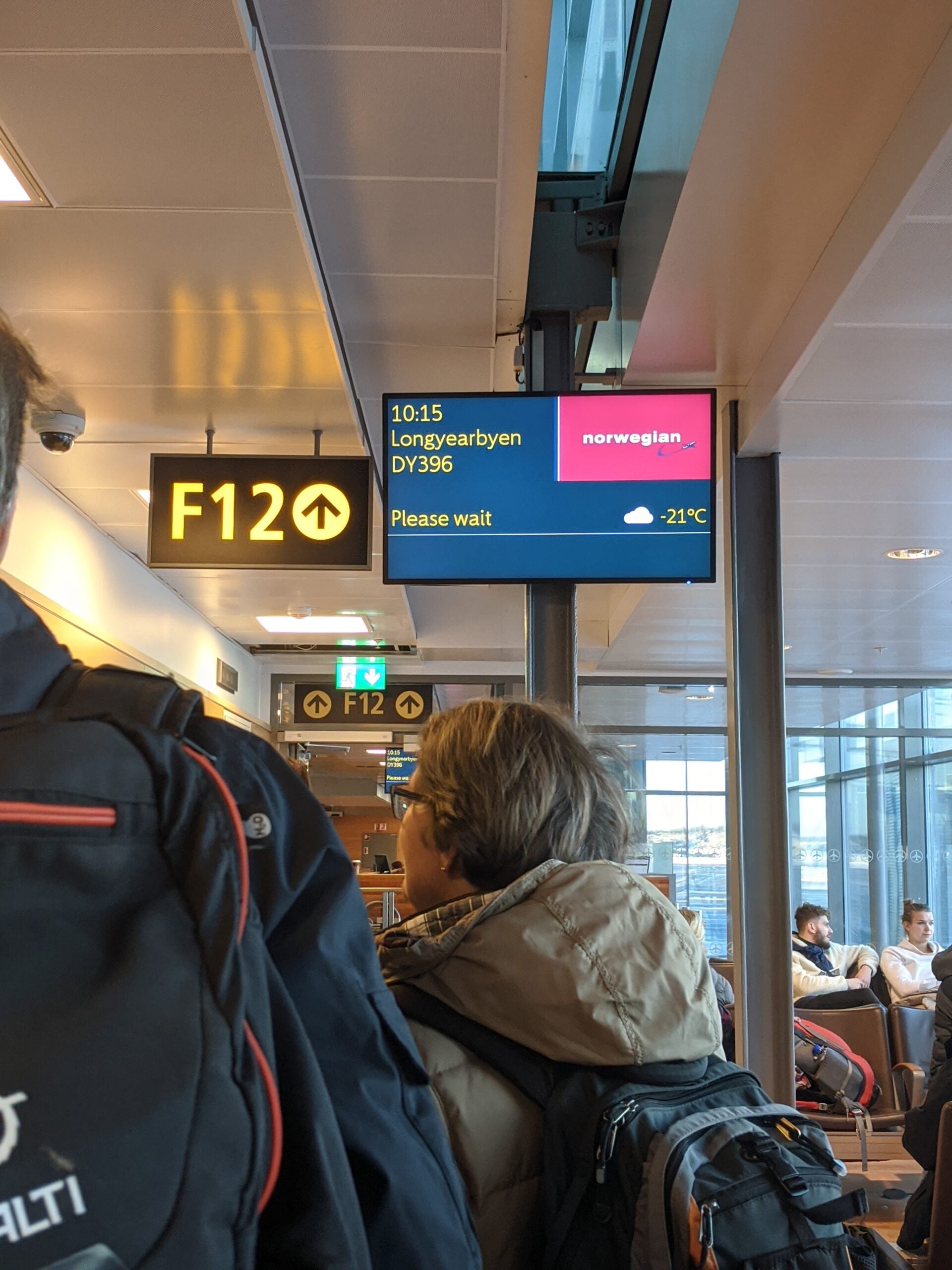
BOARDING PRO-TIP: If the airline announces that they are tight on space and they’re looking for people who will check their bags, and you already know your carry-on might be a bit big, volunteer to check your bag. It’s free, and you’ll avoid the awkward conversation about why yours won’t fit in the overhead bin.
I hope this saves you cash on baggage fees. My goal is to help as many people avoid baggage fees as possible because as I mentioned, I think baggage fees are a bit of a scam.
Enjoy these tips, and let me know which ones you use!
