How Teaching Abroad Took Her from Korea to Russia
Gina Benavidez didn’t set out to build a life abroad in Russia, but after two years teaching in South Korea and a stretch of travel across multiple continents, she was ready for something new.
What drew her in was a mix of practicality and curiosity: a stronger salary, a deeper interest in Russian history, and the chance to experience a completely different part of the world.
In this interview, the author of The Travel-ish Life shares what it was actually like to live and teach in Moscow.
What led you to pursue the opportunity to live and work abroad and what were you doing before this move?
Well, I had already taught ESL for two years in Gwangju, South Korea before I moved to Russia. I graduated from college with a minor in Teaching ESL, which got me a job teaching at a middle school in Korea.
I realized I loved the work and the opportunities it brought me, so while taking a gap year to travel after teaching in Korea I started applying for other ESL jobs in different countries.
I traveled to Southeast Asia, Australia/NZ/Fiji, South America, and then I was in South Africa when I applied for and secured the job in Russia.
What inspired you to choose Russia? What was it like?
After living in Asia for two years, which I loved, I wanted to try to live in Europe for a different experience.
I applied to three different teaching positions and was offered ESL jobs in Spain, Russia, or Turkey.
I had already studied abroad in Spain and it was the lowest paying position, so I didn’t go that route. Turkey was intriguing but I ended up choosing Russia for the higher pay and my interest in its history.
It aligned well with the European political and historical studies that I worked on in undergrad.
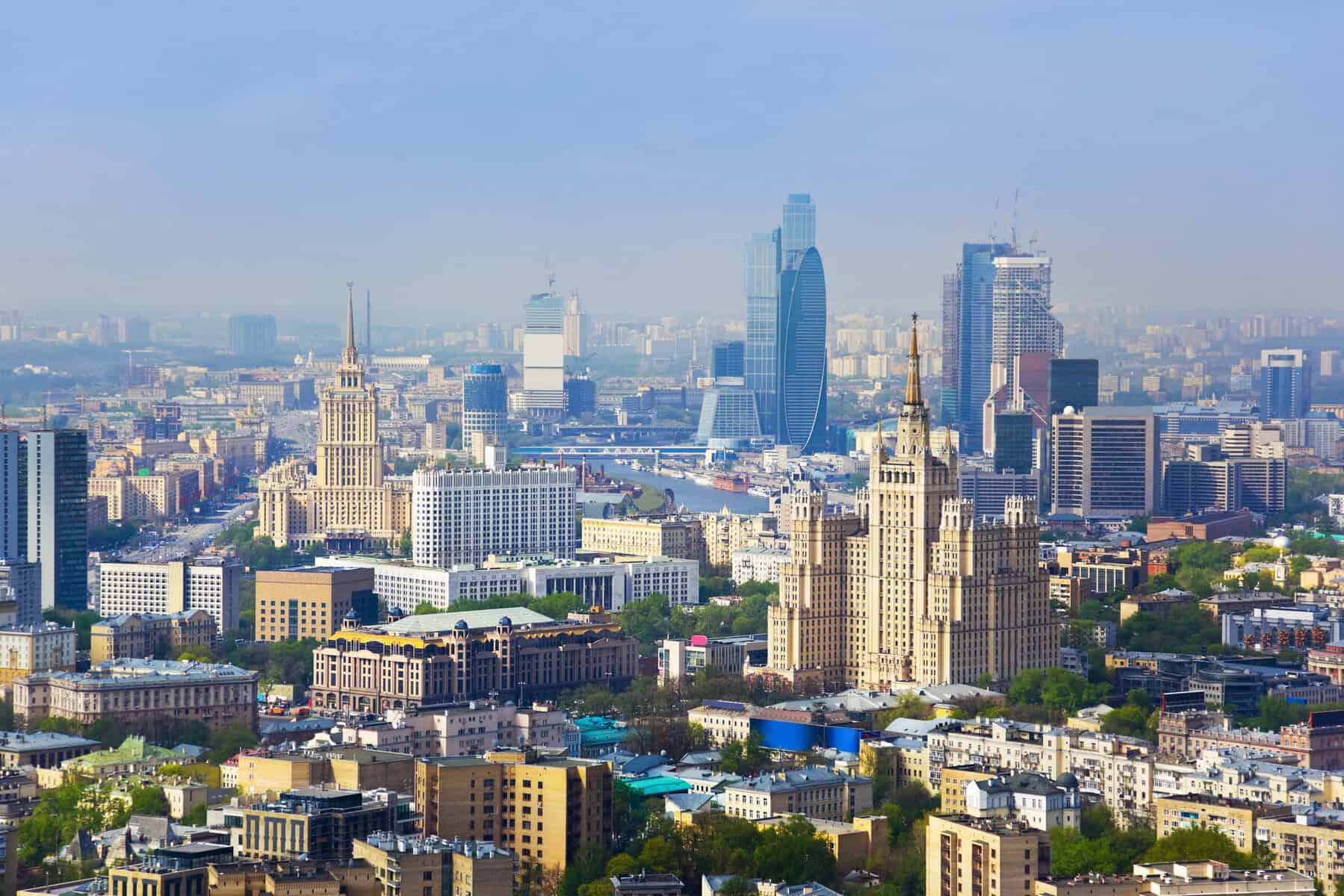
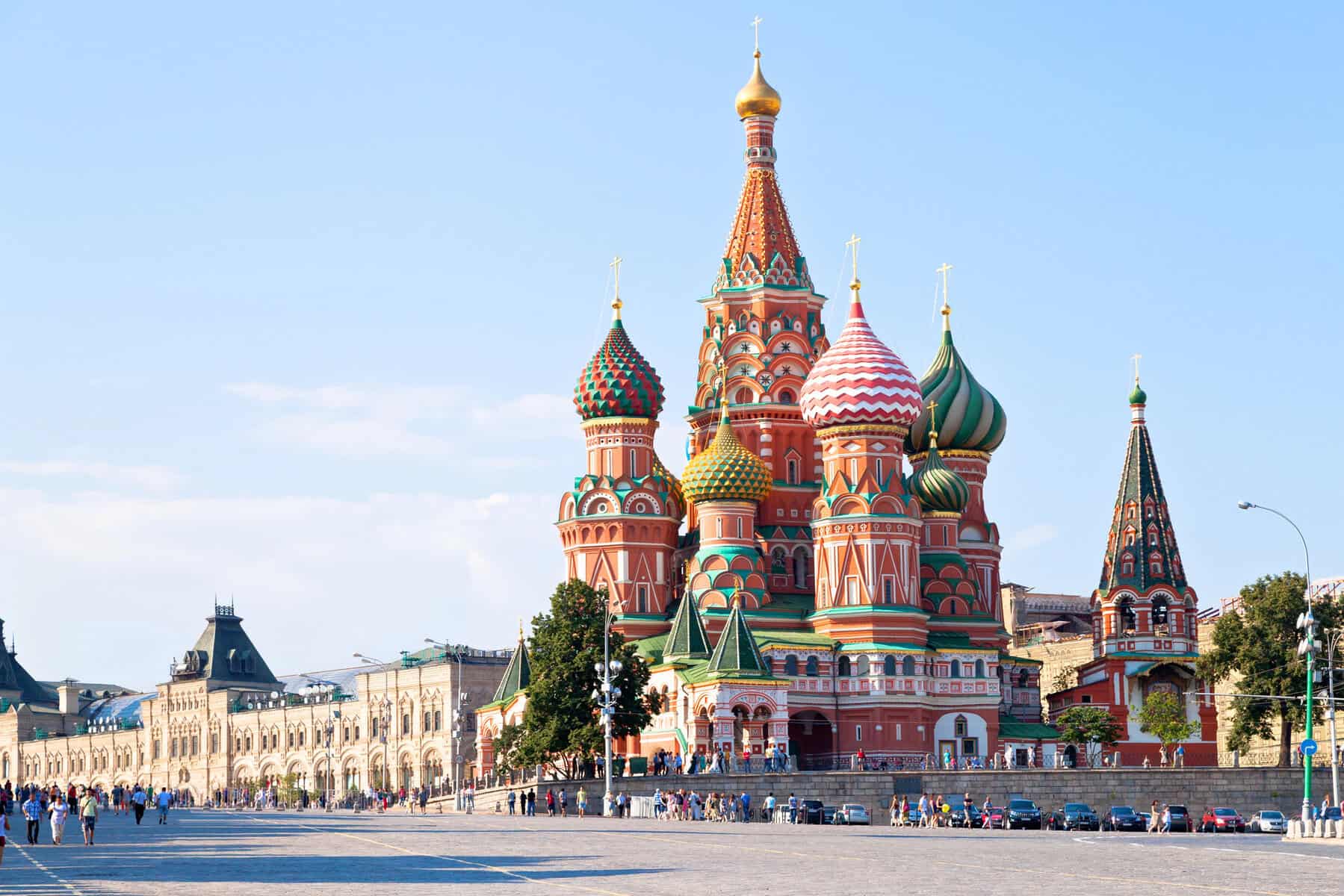
Russia was wonderful. Moscow is a beautiful city, and I experienced much kindness there from my coworkers and the other expats I encountered.
I also really enjoyed the ‘anonymity’ of being a foreigner, but not really recognized as such at first glance, unlike while living in Asia.
I blended in a little more in Russia, which made me feel like I was more a part of the community.
I learned a lot about Russian culture and of course more about its history. I really enjoyed it.
What was the visa process like? What were the ‘startup costs’ of making the move?
The visa process was luckily covered by EF (English First) Moscow. I remember it being a fairly seamless process, although there was a mix up with the return of my passport to another teacher in the UK at first!
The job provided housing. I paid for it out of my paycheck, but they did all the work to secure it ahead of time. It was a nice shared apartment very near the school with another English teacher.
They also provided a stipend for flights and then there was the monthly pay. There weren’t many challenges or surprises along the way.
I was picked up at the airport, had an orientation with the other English teachers for a couple of days before we dispersed across the city, and then the school year started!
I would say the only startup costs were making sure you had a little money to live off of before the bank account was set up and the online transfers went through.
I believe I had to pay my deposit early on as well, which was about $750.
Tell us more about the teaching job itself:
The teaching job itself was a nice contrast to my Korean public middle school experience. It was a language school, designed for Russian children to attend after their regular school.
The youngest students started around 1 or 2 pm, then they increased in age and English level throughout the evening. The last class usually went until 7 or 8 pm. I taught about four different levels.
I was responsible for about 6-10 students at a time, and they switched between having a native Russian teacher and a native English teacher every other day of class.
We followed the Cambridge English curriculum, branded by English First, and I taught each unit in a similar style, so I was able to prepare lessons early and ahead of time by the end of the year.
Most of the material was prepared for me and I was able to put my own spin on things based on my teaching style, as long as we were staying on schedule.
Can you share a cost of living breakdown with us?
This was 10 years ago now, but I do remember that it was more expensive to eat out at most restaurants than it had been in South Korea. Moscow is the capital city, after all, and most restaurants and foreigner bars were pricier.
I would say expect to pay $20-$30 for most sit-down meals and drinks. I usually ate at local bakeries and cafes to save on costs.
Groceries were very affordable, however, and I tended to eat simple meals and cook at home during the week.
I also paid for a gym membership, which was about $50-$60 a month. Museums were fairly affordable, and there were many nice parks and attractions that we went to on the weekends that were not expensive.
Train tickets were pricey though. If you wanted to travel to St. Petersburg, for example, you paid just as much as airfare (about $100-$150 a ticket).
Public transportation within the city wasn’t very expensive, I remember. I believe my accommodation came out of my paycheck and it was about $750 for a shared room on the outskirts of the city.
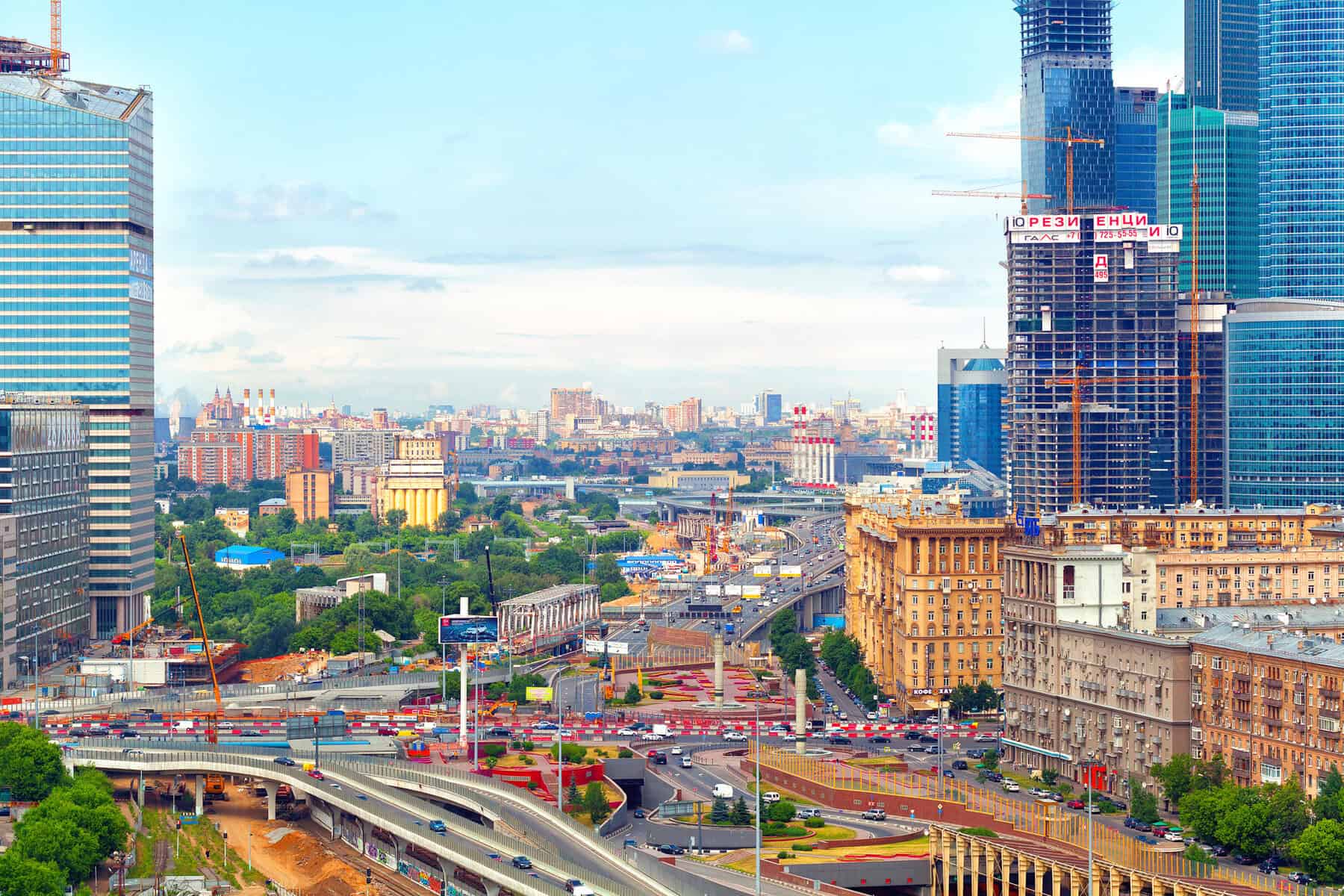
What were some of the most surprising or uniquely “Russian” aspects of daily life that stood out to you?
It’s true that Russians are not very friendly on a day-to-day basis (especially compared to the States) unless you know them. I remember being made fun of for smiling too much in the grocery store!
But then, once you get to know someone, they are so incredibly kind.
I think fondly of my two older co-teachers who kind of took me under their wings. I met their families and spent some time with them outside of school.
Unfortunately, the weather really isn’t great up there most of the time. I remember many cloudy, chilly, rainy, windy, and snowy days.
A warm sunny day was such a novelty! I grew up in Minnesota, however, so I was at least used to that kind of weather.
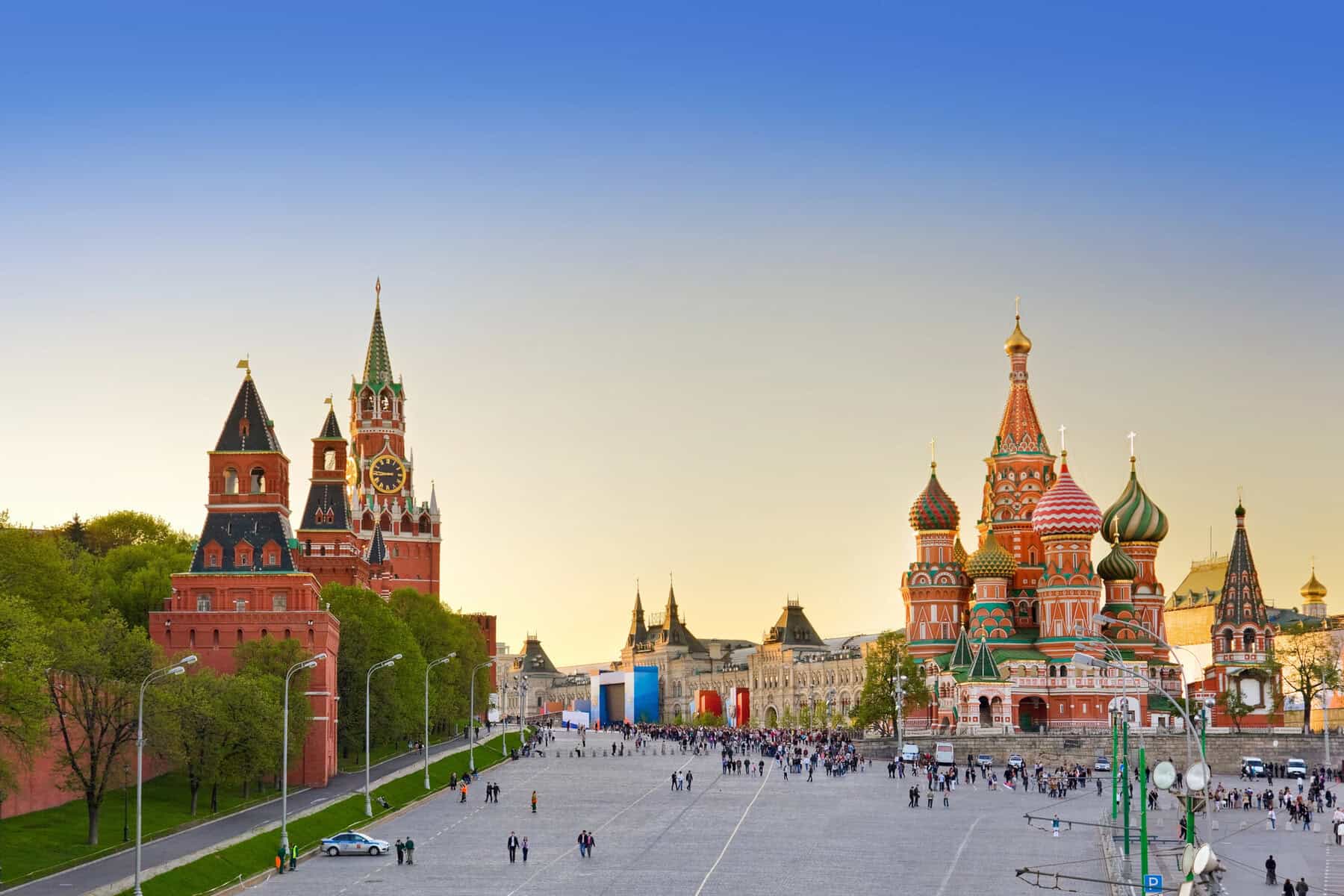
Speaking of being outside, I remember that it’s very cultural for Russians to “take a walk” when they mean to get together with friends.
Meeting up for a walk in the park or the forest is a very popular pastime, especially on the weekends.
That was usually what my students told me when I asked them about their plans.
The other answer was that they would often go to their dachas, or country houses, on the weekend to get out of the city and enjoy some fresh air.
What were some of the biggest challenges you faced while living and working in Russia?
The hardest part was paying for accommodation. I hadn’t had to do that in South Korea so I was able to save quite a bit more money.
In Russia, I didn’t have much left over after living expenses, so my travel was more limited and I had a little less wiggle room.
The exchange rate also grew worse and worse by my last few months there, so financially it wasn’t worth it to try to stay or to teach a second year.
I don’t recall facing any other challenges. I enjoyed my job, I loved exploring the city, and I enjoyed any opportunity to travel that I could.
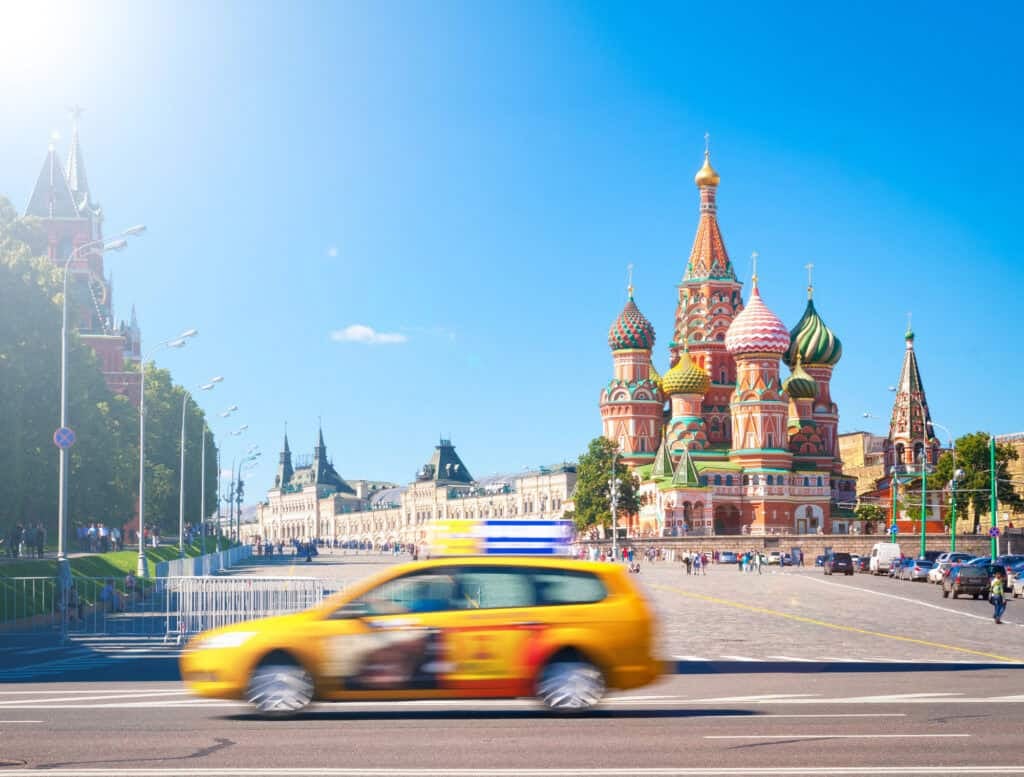
How did this experience shape or influence you?
Professionally, It was a fantastic experience to learn about a place that not many people had traveled to or knew about firsthand.
It also broadened my teaching resume, which allowed me to work in ESL for the following five years back in the United States.
I even taught online with EF just before my daughter was born.
Personally, it also allowed me to travel more of Europe. Although I didn’t have much money or time off to travel during the teaching year, I still managed to go to Turkey, Ukraine, Ireland, and through Scandinavia on my way to and from Russia.
I also enjoyed traveling within Russia. I went to St. Petersburg twice as well as met up with a former professor in the fall and traveled to a few smaller cities near Moscow with her.
The learning experience was invaluable.
Looking back, what do you wish you had known before making the move?
I would have saved a little more money from my gap year travels in order to travel more within Russia!
I hadn’t realized how little I would be able to save after basic living expenses were covered.
But, I still managed to travel and enjoy the year there. I was prepared for the teaching because of my two years spent in Korea. I think if it had been my first year teaching it would have been more stressful.
What advice would you give to someone considering teaching English abroad, in Russia or elsewhere?
Unfortunately, it’s not safe for Americans to live in Russia at the moment so I’d have to advise against that. But there are many other countries that I would absolutely recommend going to!
I think teaching English abroad is a fantastic way to do more than just travel. You learn about a local culture, you meet people you otherwise would never come in contact with, and you get to travel extensively in one place.
One of the best parts about teaching English abroad (or even at home) is the opportunities it affords to learn so much about other cultures.
The goal of teaching English is communication, so you want your students to tell you as much as they can about themselves, their home countries, their culture, their holidays, etc.
In exchange, you can teach them about your own customs and traditions, things they may not have known. You can discover similarities and differences among you and your cultures.
I’ve learned so much from my students over the years, and teaching ESL became my career for about a decade after college even though it wasn’t my major or even my intention.
I went on to teach in New York City, Savannah, GA, and online before having kids, all thanks to my ESL experience.
For Gina, Russia was a different kind of experience than South Korea.
The job was structured, the city was more expensive, and saving money was harder which meant fewer opportunities to travel during the year.
But she still found ways to explore, built strong relationships with coworkers, and gained experience that extended her career in ESL for years afterward.
It was not the easiest chapter, but it added depth to her path and opened up opportunities she would not have had otherwise.
