Top 20 Mountain Towns in Vermont, Ranked
Vermont mountain towns are genuinely some of my favorite places in New England. I’ve been coming to Vermont since I was a kid, and Sean and I went to college there, plus the fall foliage season is some of the best in the country.
So after years of exploring this state, I’ve got strong opinions about which towns are actually worth your time and which ones are a bit overhyped.
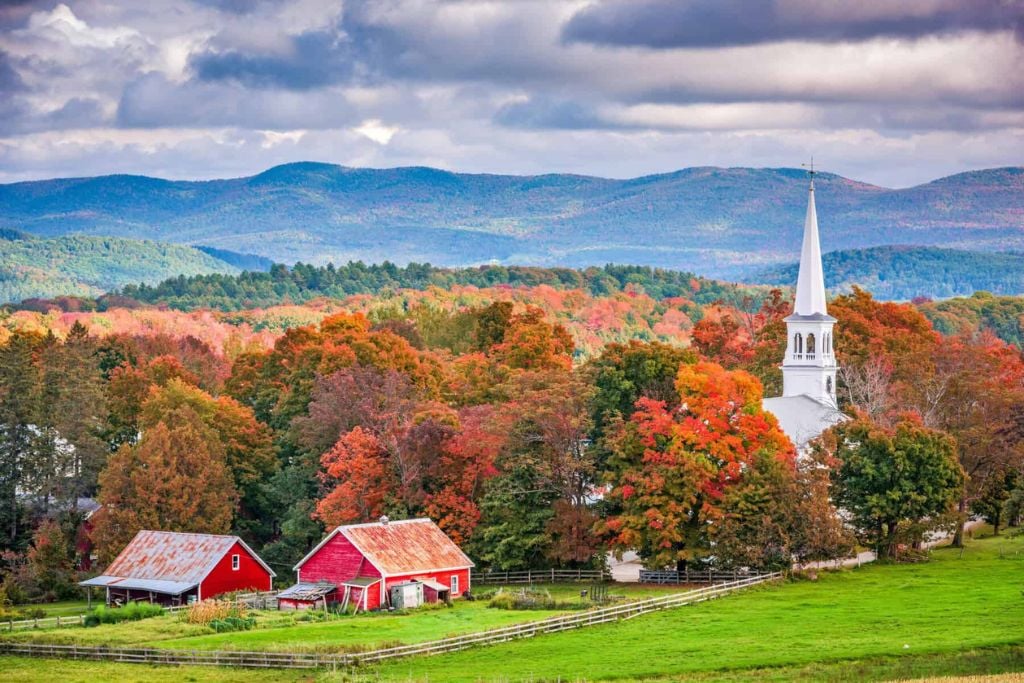
This list ranks all 20 from the least to the most worth visiting. That doesn’t mean that any of the towns on the list are bad, but some are better than others depending on the level of trail difficulty and scenery you’re looking for.
A quick note: this list is specifically about mountain towns, so you won’t find Burlington here (it’s more of a city).
And if you’re planning a trip, I’d say the sweet spot is picking two or three towns from the top half of this list and really settling in, rather than trying to rush through all 20.
20. Rochester
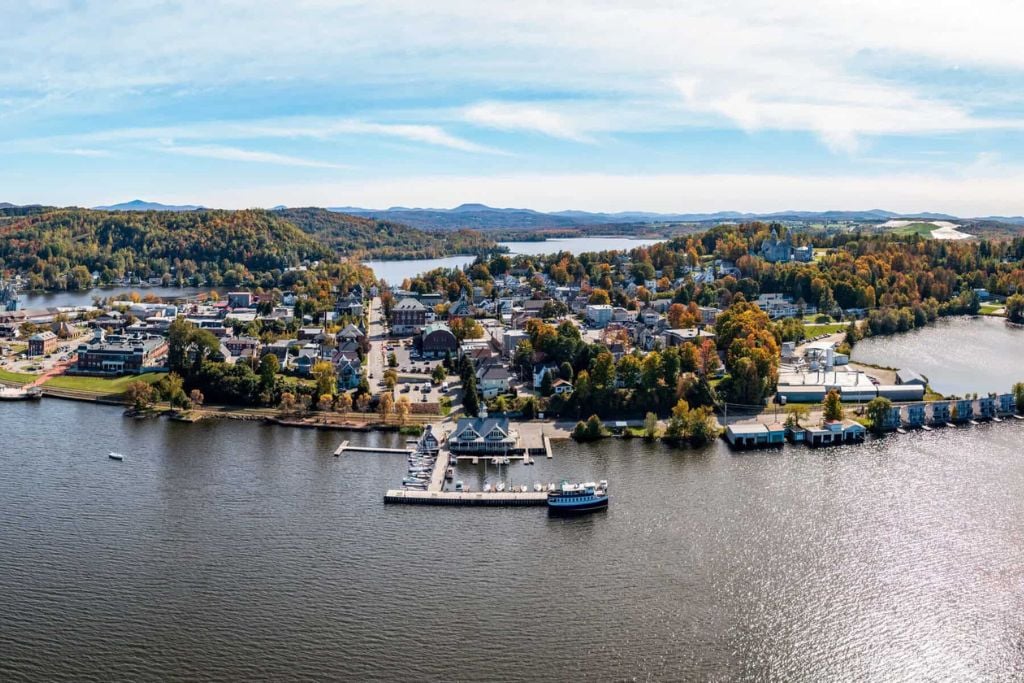
Rochester sits on Route 100 in the White River Valley, surrounded by the Green Mountain National Forest on both sides.
It’s a small, quiet town with a village green and a general store, and it has genuine mountain credentials that a lot of better-known Vermont towns don’t.
The Long Trail crosses Route 125 just east of town at Brandon Gap, and the hiking access from here is outstanding.
Texas Falls, a short detour north of town, is one of the more impressive waterfalls in Vermont and takes about five minutes to walk to from the parking area.
Rochester doesn’t have much in the way of lodging or restaurants, so it works better as a day stop on a Route 100 drive than as a multi-night base.
↪️ Tip: If you’re passing through on Route 100, the Rochester Café and Country Store is the move for lunch. Simple, good, and very Vermont.
19. Lyndonville
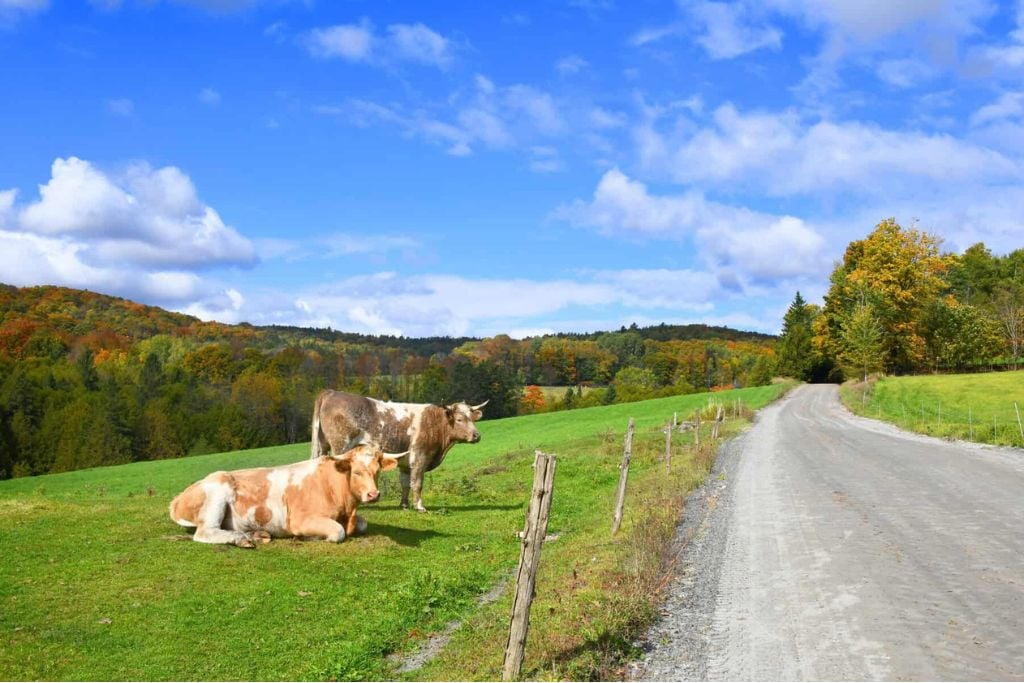
Lyndonville is a working town in the Northeast Kingdom that doesn’t get much tourist traffic, but that’s kind of a good thing. It has that real, lived-in Vermont feel that some people love and others find underwhelming.
The area around Lyndonville is beautiful. Burke Mountain is nearby, and the Kingdom Trails biking network (one of the best in the country) is just a short drive away.
But Lyndonville itself is more of a base than a destination.
↪️ Tip: If you’re here for Kingdom Trails, East Burke (a few miles away) is a much better home base.
18. Wilmington
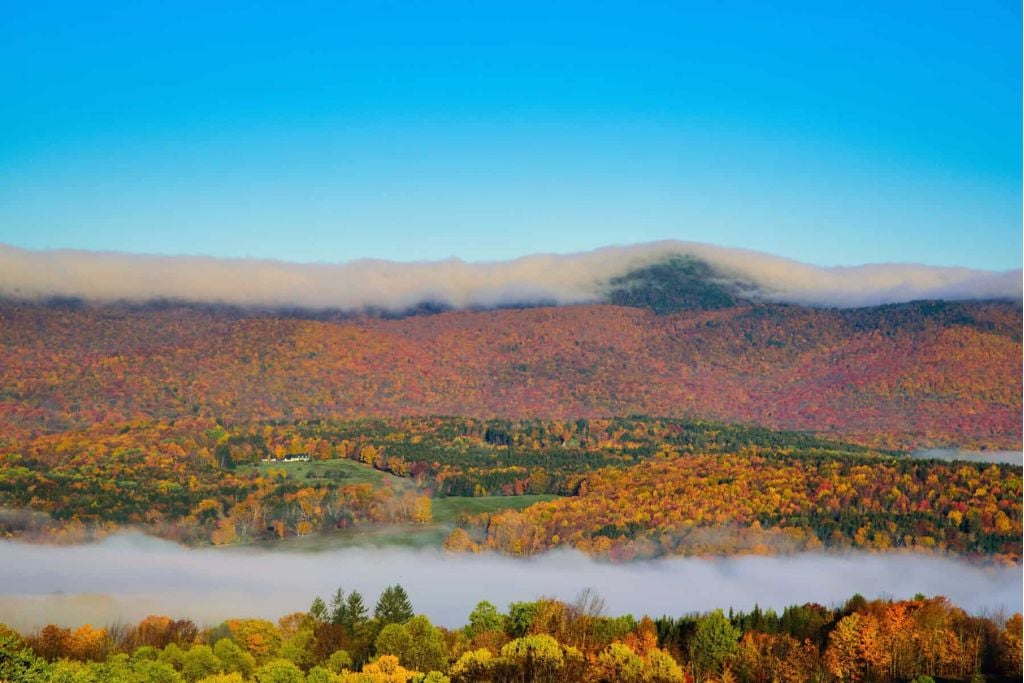
Wilmington is the hub town for the Mount Snow valley in southern Vermont, and it earns its spot on this list as a genuine mountain town with a functioning main street and a pretty great ski resort nearby.
Mount Snow is about 9 miles up Route 100 from Wilmington in West Dover, and Wilmington serves as the après and dining base for the whole valley.
The town sits on Route 9 in the Deerfield Valley and has a solid lineup of restaurants and inns without the resort-strip feel you get staying right at the mountain.
Mount Snow is the most accessible major Vermont ski resort from New York City, which means the crowds on weekends can be significant.
If you’re coming from the Boston or New York area and want a quick Vermont ski trip, this is your most practical option.
Tip: Stay in Wilmington rather than at the mountain base if you want a more Vermont feel. You’ll find better food options and it’s only a 15-minute drive to the lifts.
17. Johnson
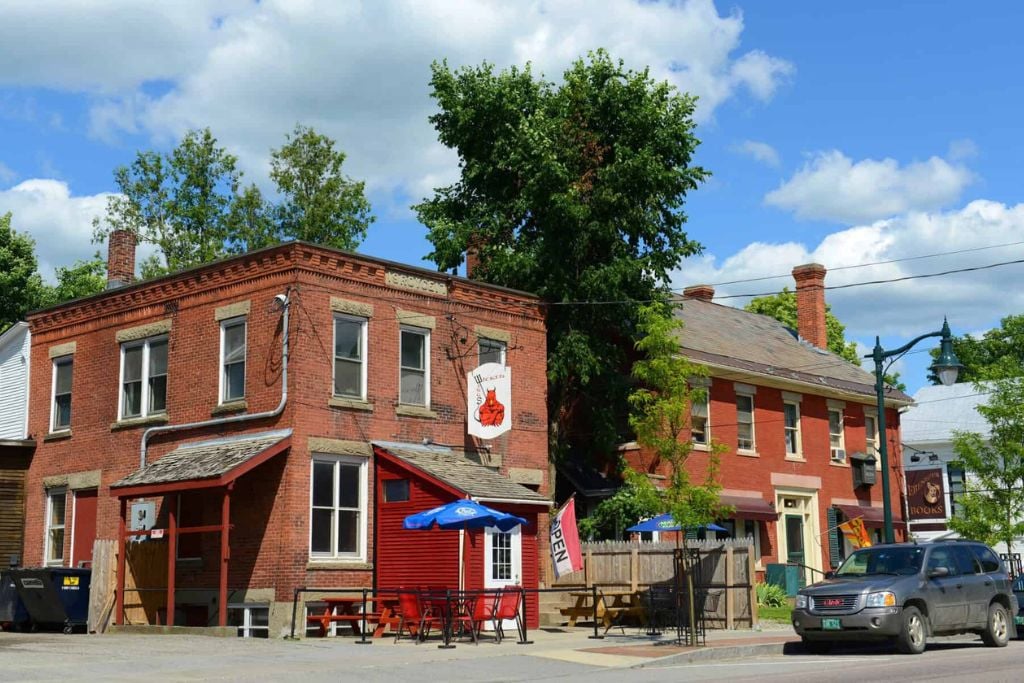
Johnson is a small town in Lamoille County, home to Johnson State College (now Vermont State University), and it sits in a pretty valley with good mountain views.
It’s not a destination on its own, but the area around it, including Smugglers’ Notch and the Long Trail access points nearby, makes it worth knowing about. The town itself has a few local restaurants and not much else.
16. Brattleboro
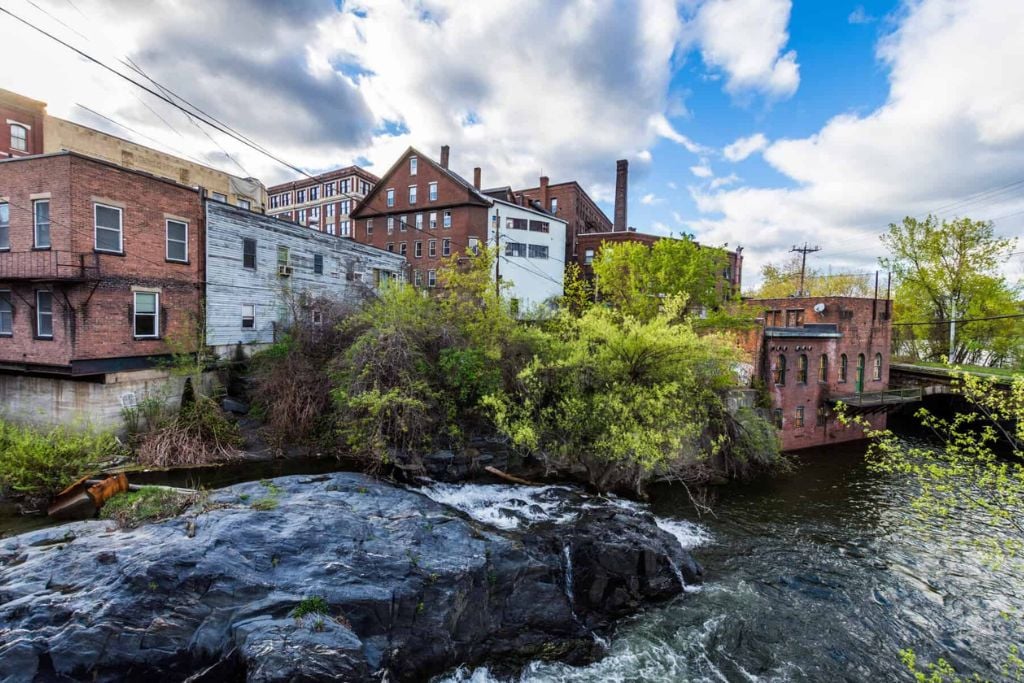
Brattleboro is the odd one out on this list, but not in a bad way. It’s not a ski town, and it doesn’t sit at the base of a famous peak.
But it’s in the foothills of southern Vermont, surrounded by hills and state forests, and it has more actual personality than most towns twice its size.
The arts scene here is real. There are independent galleries, a strong music and theater culture, and a restaurant scene that punches well above what you’d expect from a town of 12,000.
The Retreat Trails just outside of downtown give you a legitimate hiking and mountain biking network, and Wantastiquet Mountain across the river in New Hampshire has a solid trail with great views of the Connecticut River Valley.
The honest caveat: if you’re here purely for mountain recreation, there are better bases. But if you want a Vermont town with genuine character and easy access to the surrounding southern Vermont mountains, Brattleboro earns its spot.
Tip: Brattleboro is a great anchor for a southern Vermont road trip. Wilmington, Grafton, and Newfane are all within 45 minutes.
15. Weston
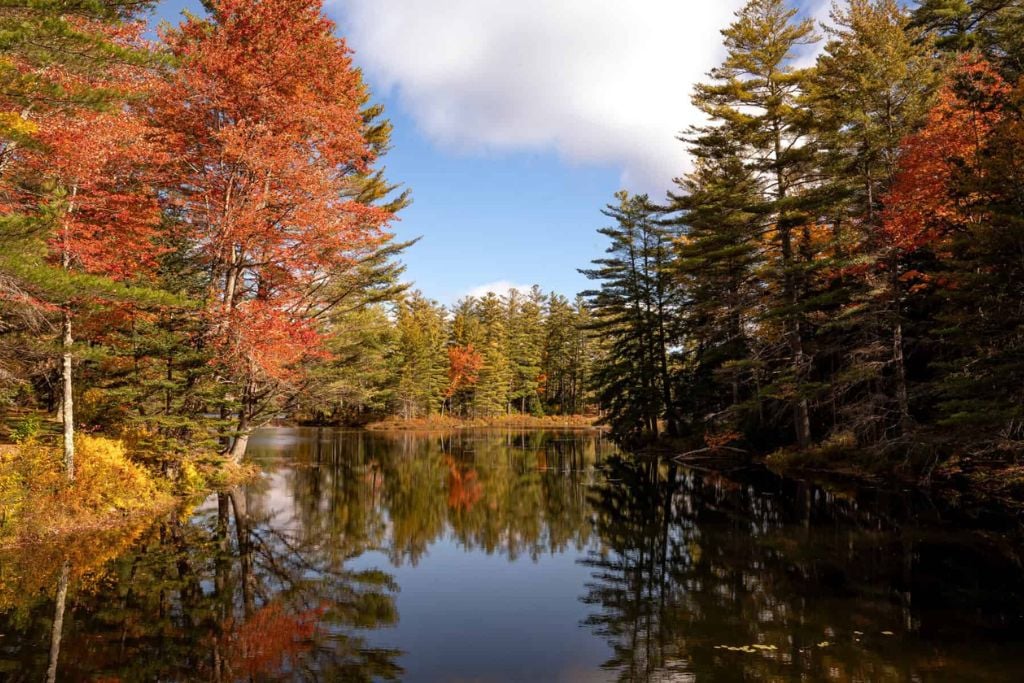
Weston is tiny and quiet, but it punches above its weight in terms of charm.
It’s famous for the Vermont Country Store, which is something of a Vermont institution, and the Weston Playhouse, one of the oldest professional theaters in Vermont.
The village green is genuinely lovely, and the town has a “preserved in amber” feeling that some people love and others find a bit too precious. I like it for an afternoon, but I wouldn’t stay more than a night.
Tip: The Vermont Country Store is worth a browse even if you’re not big on shopping. It stocks things you genuinely can’t find anywhere else.
14. Pittsfield
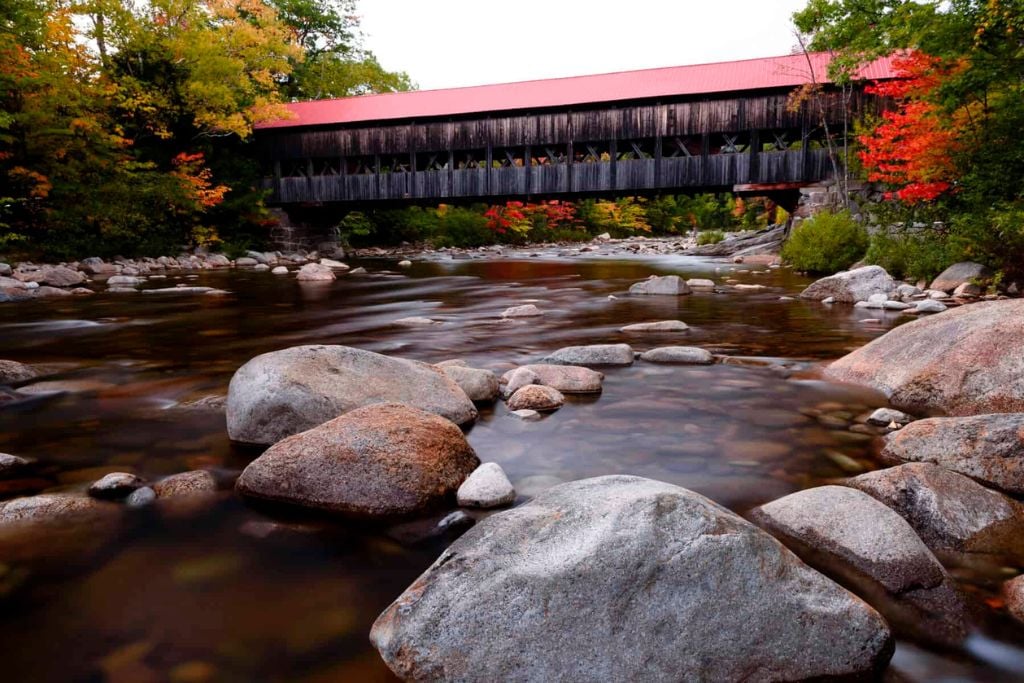
Pittsfield is a tiny town on Route 100 sitting right in the heart of the Green Mountains between Killington and Rochester, and it might be the most authentically mountain Vermont town that most people have never heard of.
There’s no resort here, no outlet shopping, no polished main street. What there is: direct access to the Long Trail, the Green Mountain National Forest in every direction, and a genuine working Vermont village feel that a lot of more famous towns have lost.
The Amee Farm Lodge has been a hiker and skier favorite for years as an affordable base for the area.
Killington is only about 10 miles south, which means you can ski one of Vermont’s biggest mountains and then retreat to a town that feels nothing like a ski resort.
Tip: The Long Trail access near Pittsfield gives you some of the best backcountry hiking terrain in central Vermont. Go in June or September to avoid mud season and summer crowds.
13. Craftsbury
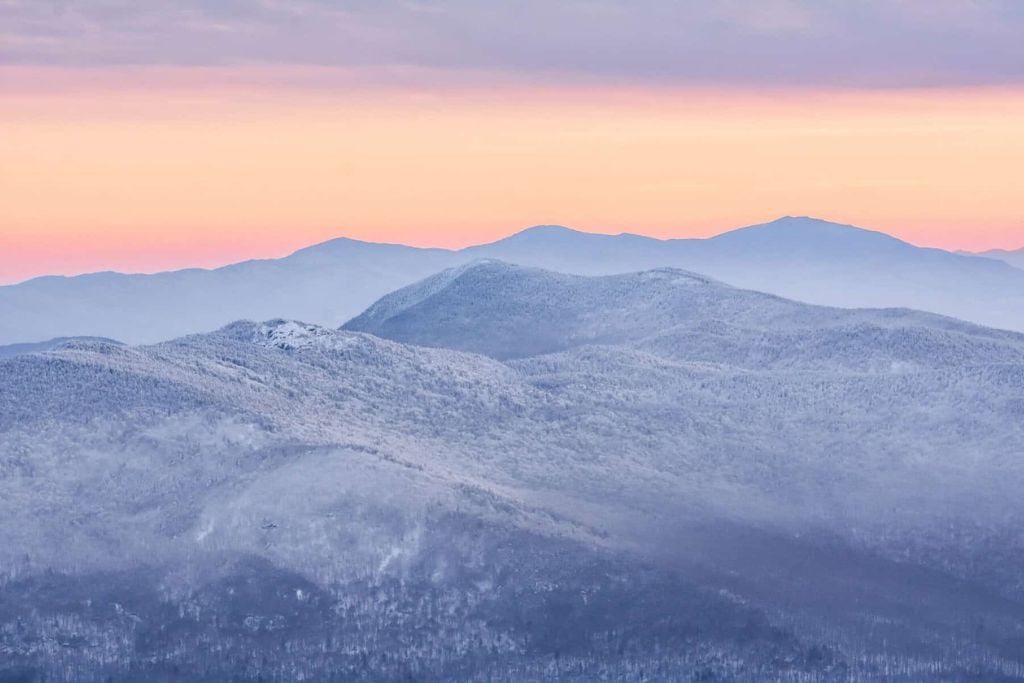
Craftsbury is in the Northeast Kingdom, with the Craftsbury Outdoor Center being world-class for cross-country skiing and sculling.
It’s a nonprofit facility with over 100 kilometers of groomed Nordic trails set on the shores of Big Hosmer Pond, surrounded by open farmland and forested hills.
It even sent five athletes to the 2022 Winter Olympics! Lodging comes with three all-you-can-eat meals a day, all local. You ski out the door in the morning and eat well when you come back.
In summer, the center runs one of the best sculling programs in the country on the pond.
The landscape here is some of the most open and least crowded in Vermont. It’s a long drive from most places, which is also why it stays that way.
✔️ Best season: Winter, for cross-country skiing at the Outdoor Center.
12. Peru
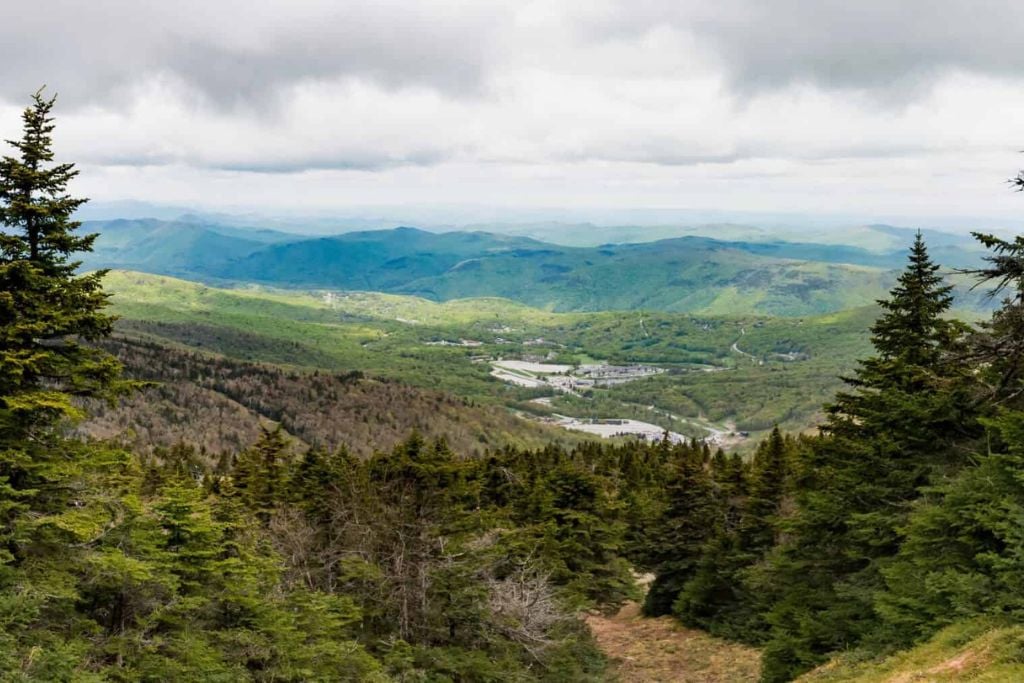
Peru is a small mountain town in southern Vermont that most people drive right past on their way to Manchester or Bromley Mountain.
The town has a classic Vermont village feel without the development that some of its neighbors have picked up.
Bromley Mountain is right there, and the Long Trail access nearby makes it a good base for hikers. Plus, prices at the few inns in Peru tend to be more reasonable than Manchester.
Pro-Tip: If you want to ski Bromley without paying Manchester lodging prices, staying in Peru makes a lot of sense!
11. Montgomery
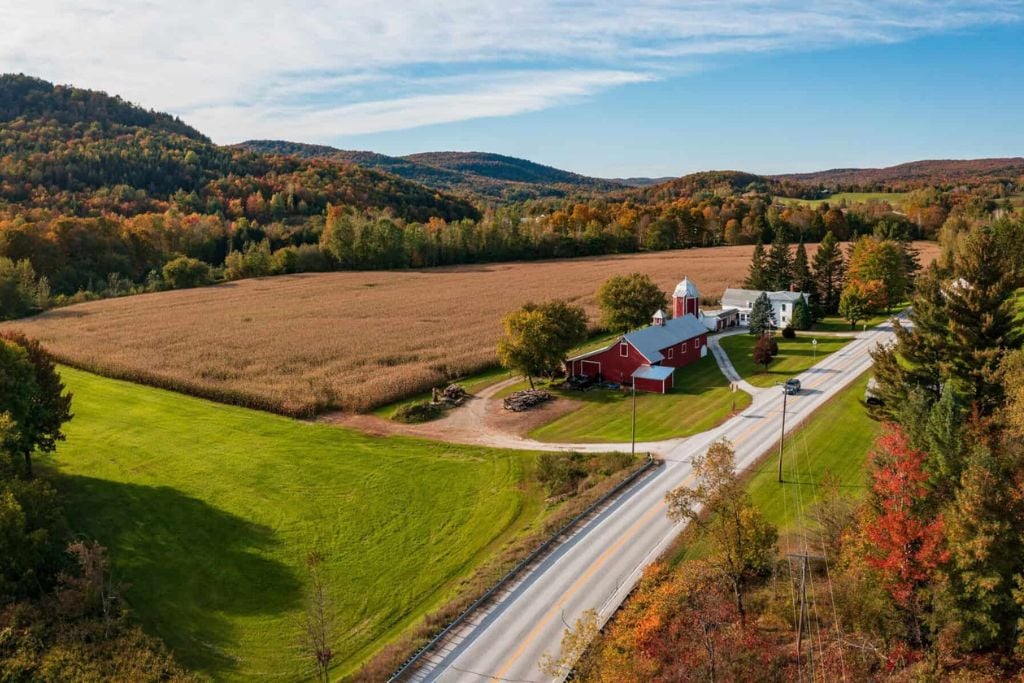
Montgomery sits in northern Vermont near the Jay Peak ski resort, and it’s one of the better-kept secrets for skiers who want a quieter experience than Stowe.
The town itself is tiny, but it has a handful of great inns and restaurants, and the covered bridges in the area are some of the most photogenic in Vermont.
In summer, the hiking around Jay Peak is genuinely excellent and very uncrowded.
Pro-Tip: Jay Peak gets more snow than almost anywhere in the eastern US due to its proximity to the Canadian border, so if you’re prioritizing snow quality, this area is hard to beat.
10. Burke
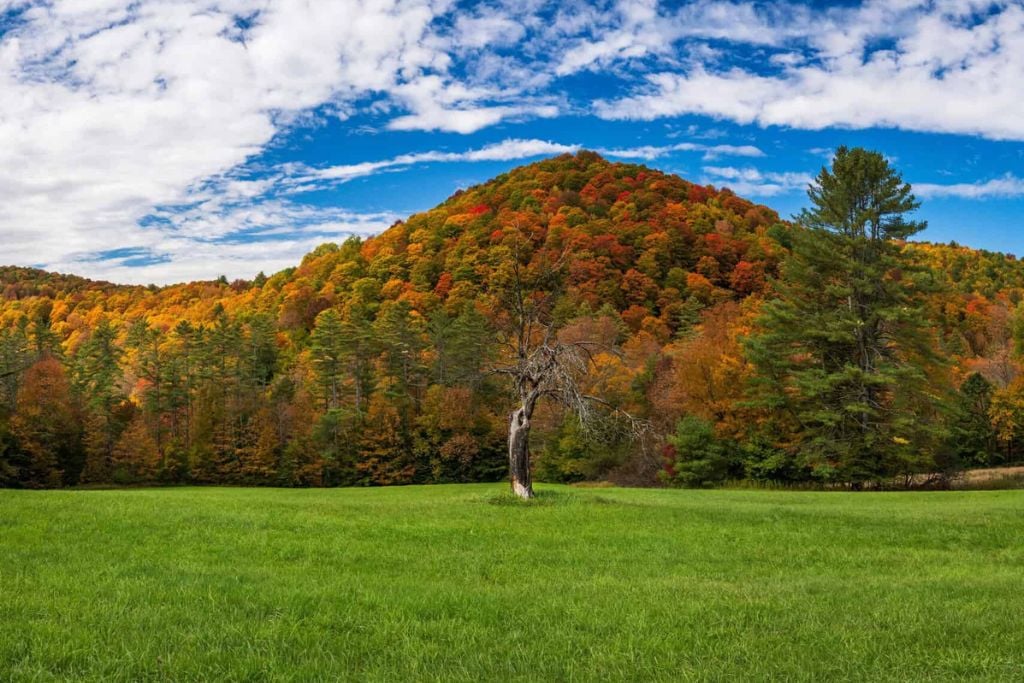
Burke is the Northeast Kingdom’s best-kept mountain town secret, and I say that as someone who has spent a fair amount of time up there.
Burke Mountain Resort is a legitimately great ski area that hasn’t been overdeveloped, and Kingdom Trails is one of the top mountain biking destinations in the country.
What I love about Burke is that it hasn’t been polished to death for tourists. The village is small, the prices are reasonable, and the outdoor access is outstanding.
Tip: Kingdom Trails charges a trail fee (around $20 per day), and it’s completely worth it. The network is massive and beautifully maintained.
9. Jeffersonville
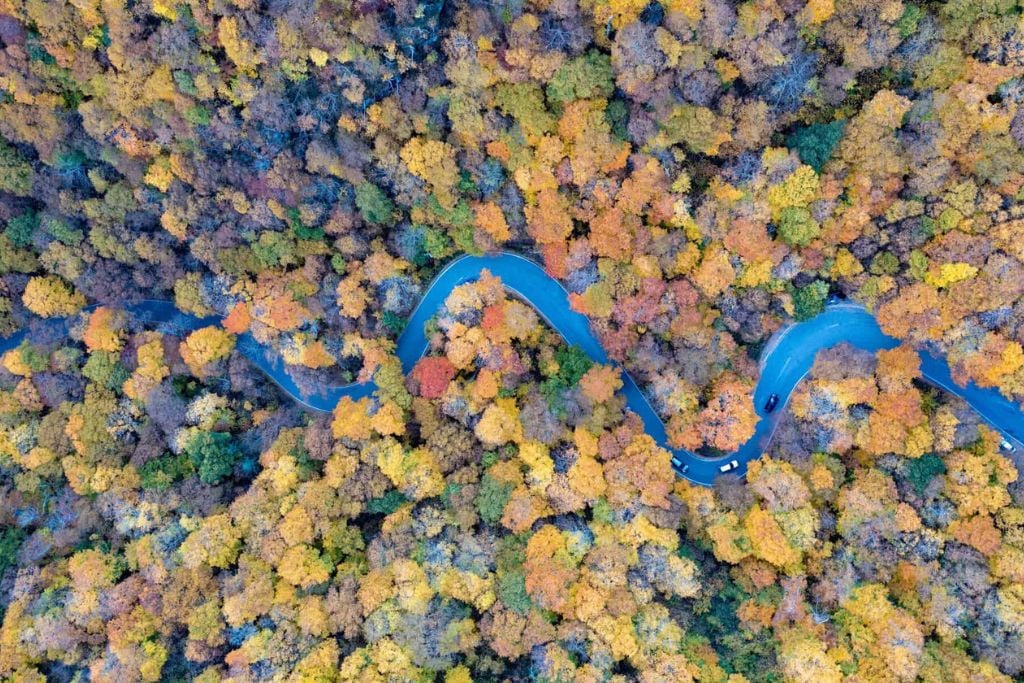
Jeffersonville is the village at the base of Smugglers’ Notch, one of Vermont’s most dramatic mountain passes, and it earns its spot on this list for that reason alone.
The town has a relaxed, unpretentious vibe with good local restaurants and a few nice inns.
Smugglers’ Notch Resort is right up the road and is genuinely one of the best family ski resorts in the northeast. The notch itself is worth driving through even if you’re not skiing.
Note: The notch road (Route 108) closes in winter because it’s too narrow and icy for safe travel, so if you want to drive through it, you need to visit spring through fall.
8. Middlebury
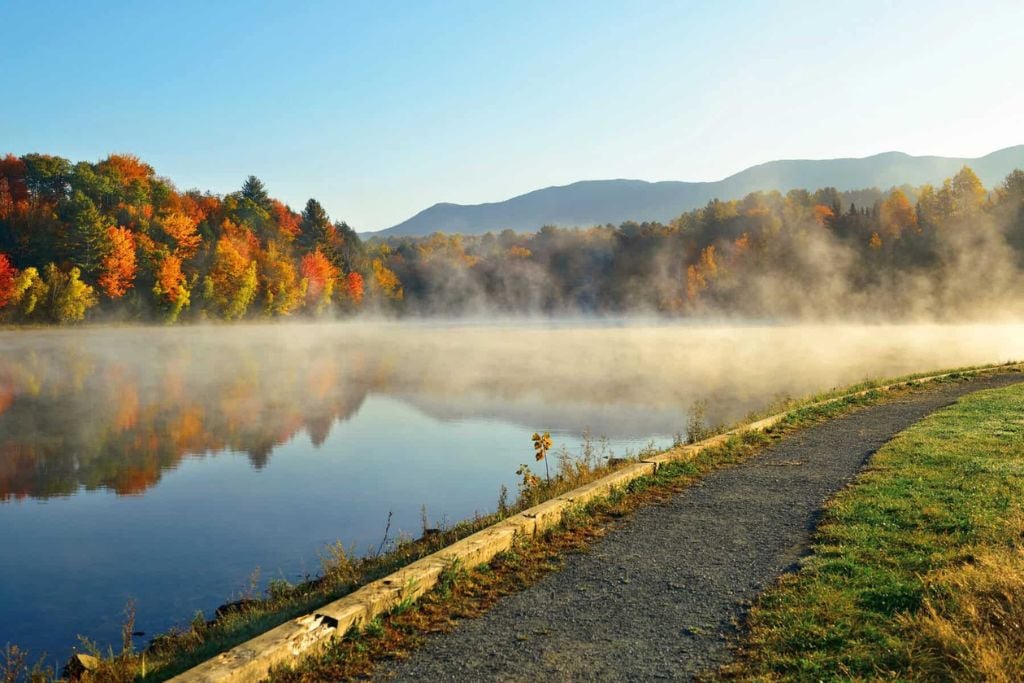
Middlebury is a college town in the Champlain Valley with the Green Mountains rising to the east, and it might be the most livable, complete small town in Vermont.
Middlebury College gives it energy and keeps the restaurant and cultural scene strong year-round.
There’s a great independent bookstore, solid dining options at multiple price points, and the Middlebury College Museum of Art is free and worth an hour.
The access to the Green Mountains and the Long Trail from here is excellent.
Tip: The Waybury Inn in nearby East Middlebury is a great mid-range lodging option with a good pub attached.
7. Grafton
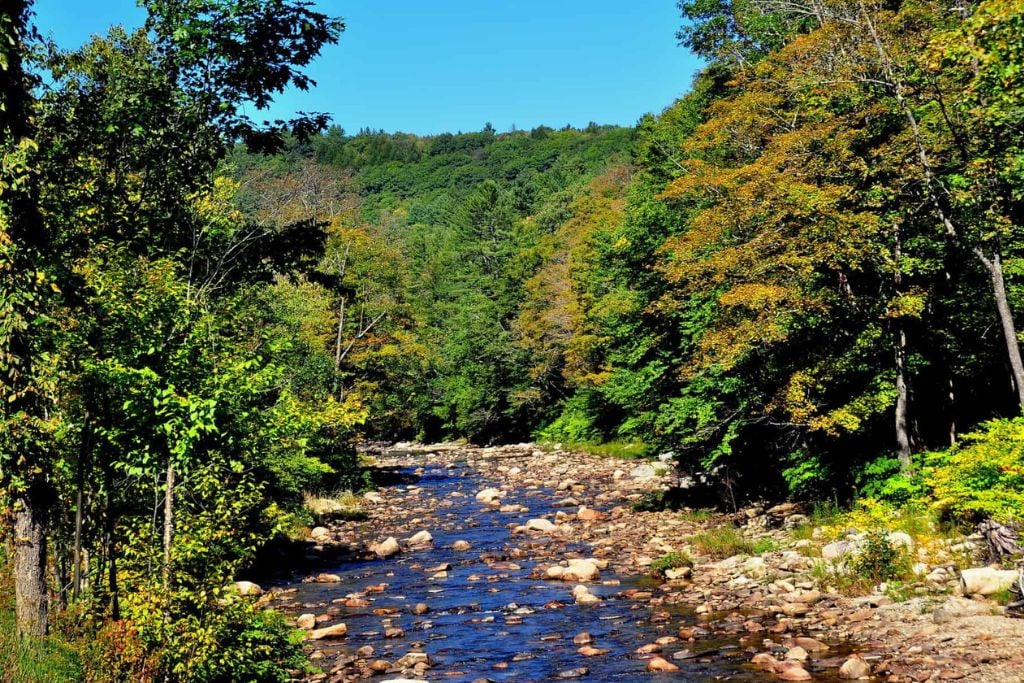
Grafton is a beautifully preserved Vermont village where the Windham Foundation has done an enormous amount of work to keep the historic buildings maintained.
The result is one of the most intact examples of a 19th-century Vermont village you’ll find anywhere!
A stay at the Old Tavern in Grafton is one of the best inn experiences in New England.
The town is quiet and small, but Grafton Farms makes phenomenal cheese (pick some up to take home), and the surrounding area has great hiking and snowshoeing.
✔️ Don’t miss: Grafton Village Cheese. Their cloth-bound cheddar is the insanely delicious.
6. Killington
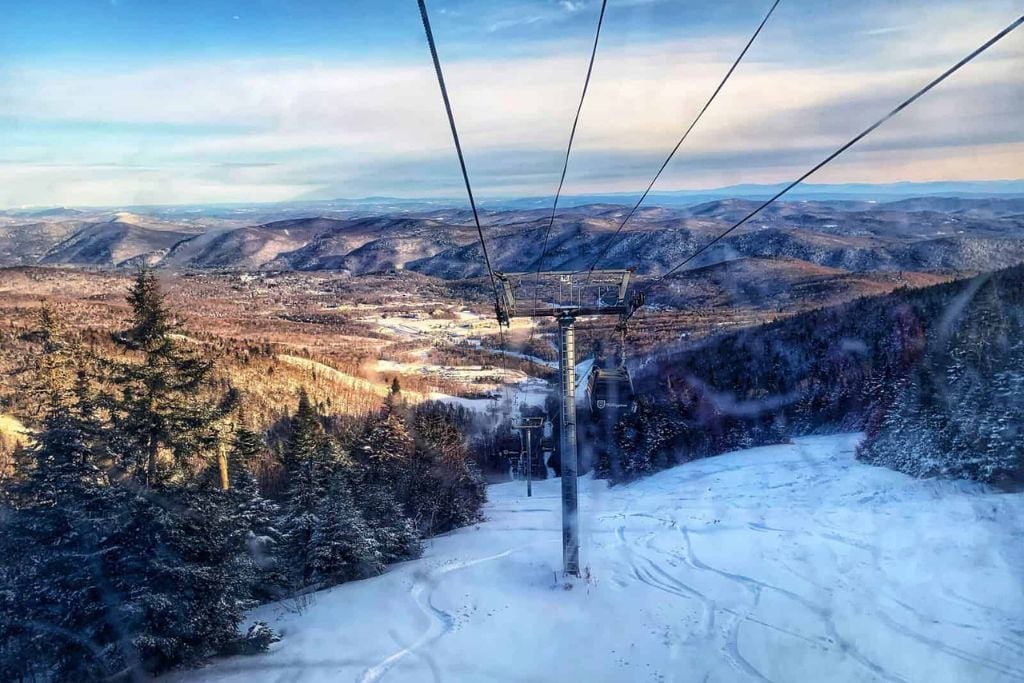
Killington is Vermont’s largest ski resort, and the town around it is built entirely around that.
It’s not a charming village in the traditional sense. Instead, it’s more of a resort strip with condos, bars, and ski shops. But what it does, it does well.
If skiing is your primary goal and you want the biggest mountain, the longest season, and the most après-ski options in Vermont, then Killington is the answer.
The skiing is genuinely excellent with its nickname “Beast of the East” being well-earned.
Overall, if you’re looking for quaint Vermont charm, Killington is not your town. If you want to ski hard and have a good time after, it’s great.
Tip: Killington’s season often runs into April and sometimes May, later than any other eastern resort. If you want spring skiing, this is your best bet in Vermont.
5. Ludlow
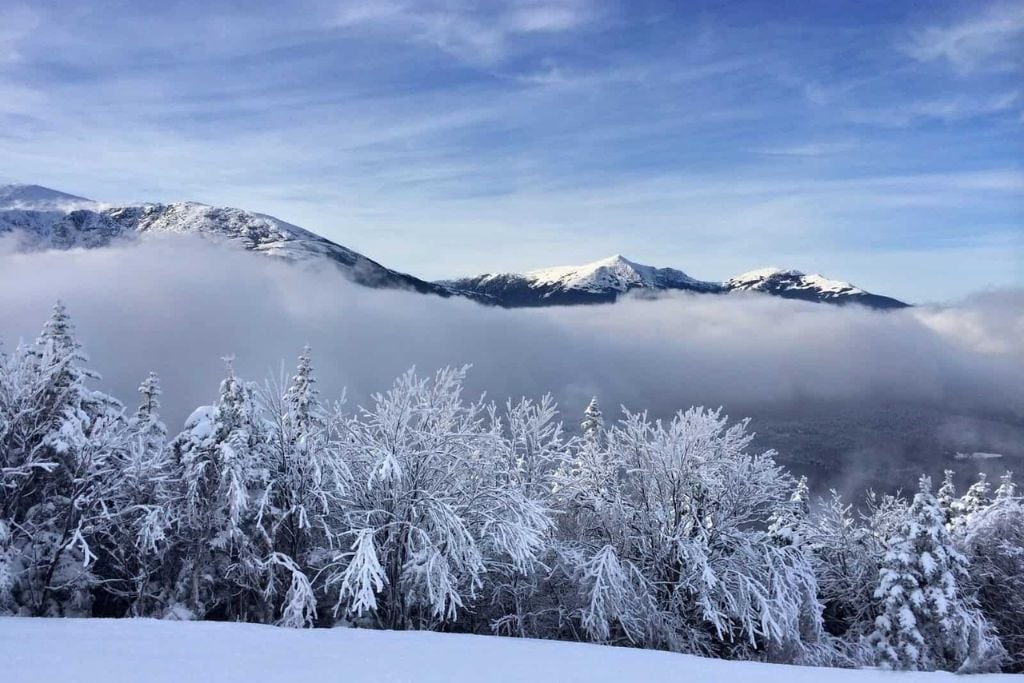
Ludlow is the town at the base of Okemo Mountain, and it does a much better job of balancing ski resort town with actual Vermont community than Killington does.
The main street has good independent restaurants, a few solid bars, and a local grocery store where you can stock up for a condo kitchen.
Okemo itself is one of the most family-friendly mountains in Vermont, with great grooming and a solid beginner-to-intermediate terrain mix.
I’ve done a few long weekends in Ludlow over the years and always come away happy. It’s a good value compared to Stowe or Woodstock, and it feels less performative about being “Vermont.”
Tip: Book lodging well in advance for holiday weeks. Okemo is extremely popular with families and spots fill up fast.
4. Manchester
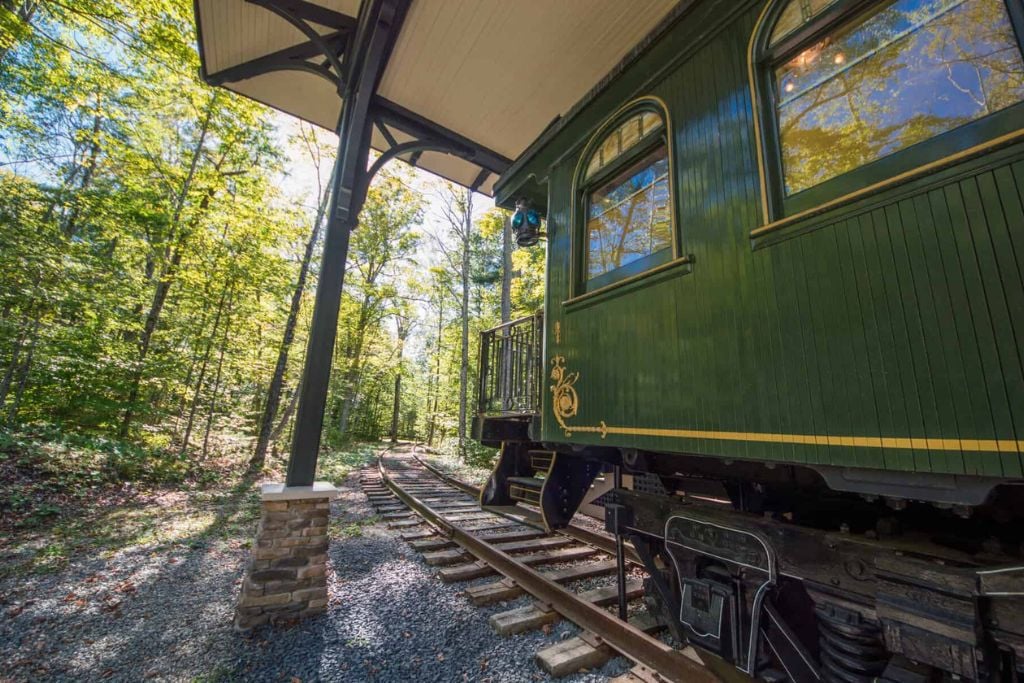
Manchester is one of Vermont’s most popular destination towns, and for good reason.
It has outlet shopping, great restaurants, access to Bromley and Stratton ski areas, and some of the most dramatic mountain scenery in southern Vermont with Mount Equinox looming over everything.
The town splits into Manchester Village (quieter, with historic homes and the Hildene Lincoln estate) and Manchester Center (where the shopping and restaurants are). Many people usually spend most of their time in the village.
The one knock on Manchester is that it can be expensive. But if you’re going to splurge somewhere in Vermont, the lodging options here are excellent.
Tip: The Hildene estate (Lincoln family home) is genuinely worth the $25 admission, so give yourself at least two hours.
3. Waitsfield and Warren (Mad River Valley)
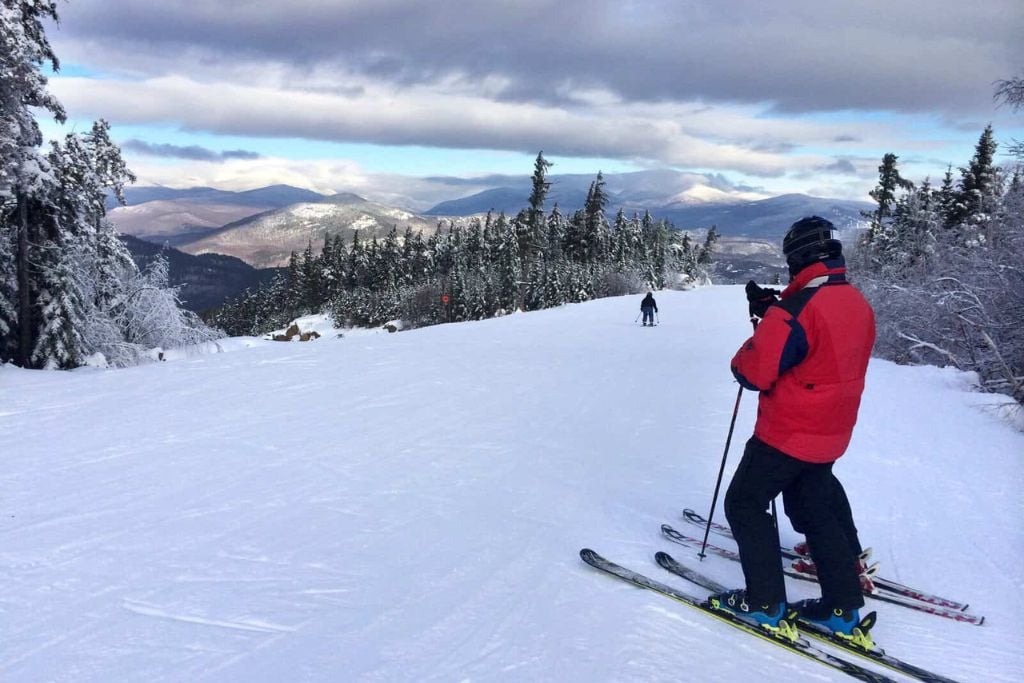
I’m grouping these two together because they’re right next to each other in the Mad River Valley, and together they make up one of the most underrated mountain destinations in Vermont.
Sugarbush and Mad River Glen are both in this valley, and the skiing couldn’t be more different from each other. Sugarbush is a big, polished resort with great terrain.
Mad River Glen is a skiers-only mountain (no snowboards allowed) that boasts old-school conditions and a cooperative ownership model.
The towns themselves, especially Waitsfield, have excellent local restaurants and a scene that feels more local and less tourist-polished than Stowe or Manchester.
The covered bridge in Waitsfield is one of the most photographed in Vermont, so definitely take a look at it if you visit!
✔️ Insider tip: Mad River Glen has some of the most challenging terrain in the northeast. If you’re an advanced skier, it’s worth building a trip around.
2. Woodstock
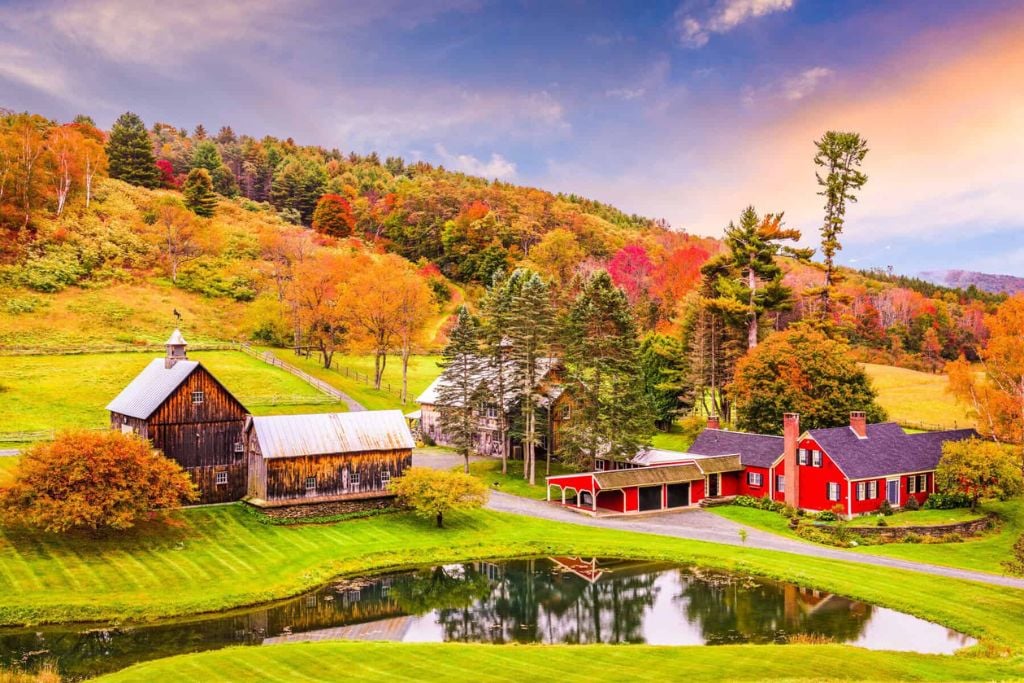
Woodstock is the kind of Vermont town that makes people want to move to Vermont.
The village is impeccably maintained, with a covered bridge right in the center of town, a gorgeous town green, and the Billings Farm and Museum just up the road. In fall, it’s absolutely on another level.
What keeps it from the top spot is that the prices reflect the reputation. Lodging and dining are on the expensive side, and in peak foliage season, it gets very crowded.
That said, it earns every bit of its reputation. The skiing at nearby Suicide Six is small but charming, and the cross-country skiing at the Woodstock Inn ski center is some of the best groomed nordic terrain in New England.
Tip: If you want to stay in Woodstock but watch your budget, look at vacation rentals in the surrounding towns like Quechee or Bridgewater. You’ll save significantly!
1. Stowe
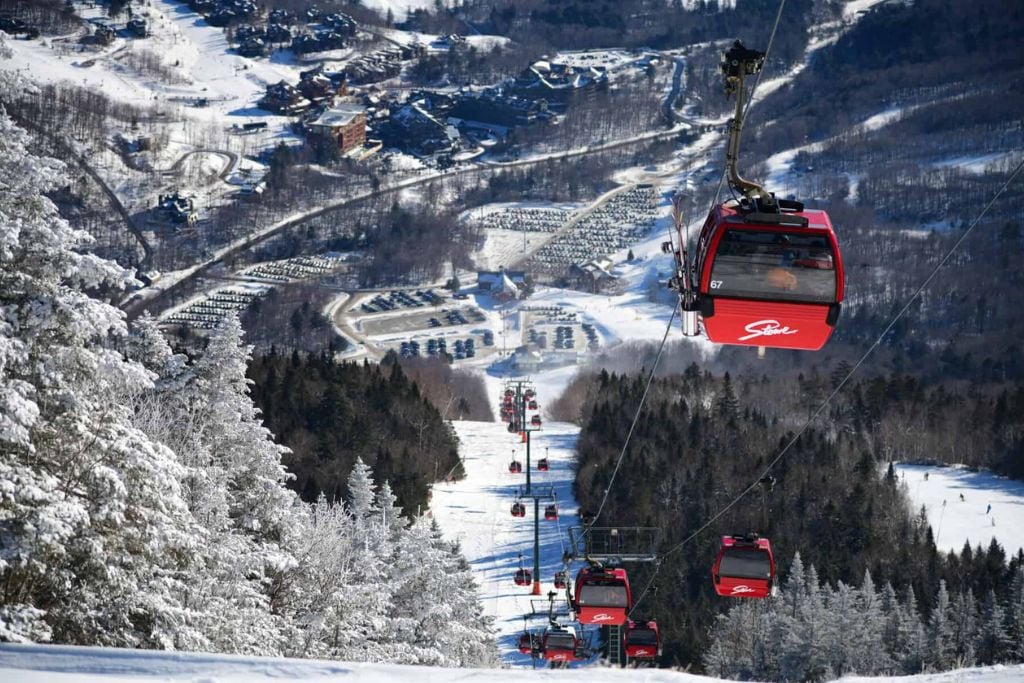
Stowe is the best mountain town in Vermont, hands down. It has the full package: Mount Mansfield (Vermont’s highest peak) and the Stowe Mountain Resort with excellent terrain for all levels.
It also has a charming village that actually functions as a real community (not just a tourist backdrop), great restaurants across multiple price ranges, and a recreation path that connects the village to the mountain for walking and biking.
We’ve been to Stowe in every season, and it holds up every time. In summer, the hiking on Mansfield and the surrounding Long Trail is outstanding.
In fall, the drive up Route 108 through Smugglers’ Notch is one of the most dramatic pieces of road in New England. In winter, the skiing and snowshoeing speak for themselves.
The honest caveat: Stowe is expensive. Lodging prices, especially in ski season and foliage season, are some of the highest in the state (we’ve seen the far surpass $500+ per night).
But there are options across the price spectrum if you look, and renting a condo or a house with a group can bring the per-person cost down to something reasonable.
Tip: The Stowe Recreation Path is 5.3 miles and completely free. In summer, you can rent bikes in the village and ride out toward the mountain.
FAQ
What is the most popular mountain town in Vermont?
Stowe is the most popular mountain town in Vermont, and has been for decades.
It gets the most visitors, has the highest profile ski resort, and is consistently cited as one of the top mountain destinations in the northeast. Woodstock and Killington are close behind in name recognition and popularity.
When is the best time to visit Vermont mountain towns?
Fall foliage (typically late September through mid-October) is the most popular time for visitors.
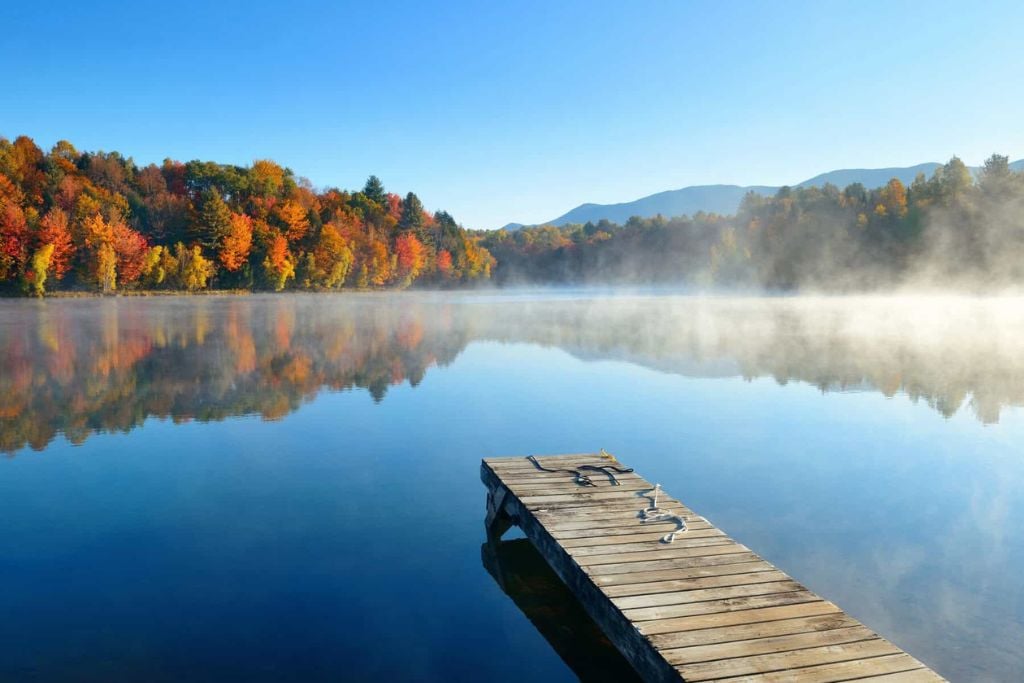
The colors in Vermont are genuinely extraordinary. Winter is peak season for skiers. Summer is actually a great time to visit because crowds are lighter, lodging is cheaper, and the hiking is excellent.
Mud season (March through May) is the one period I’d avoid if you can.
Are Vermont mountain towns expensive to visit?
They can be. Killington, Stowe and Woodstock are on the pricier end.
If you’re watching your budget, towns like Ludlow, Burke, or Montgomery give you a similar Vermont experience at a fraction of the cost.
Staying in a rental house with a group is almost always the most cost-effective approach.
Which Vermont mountain town is best for skiing?
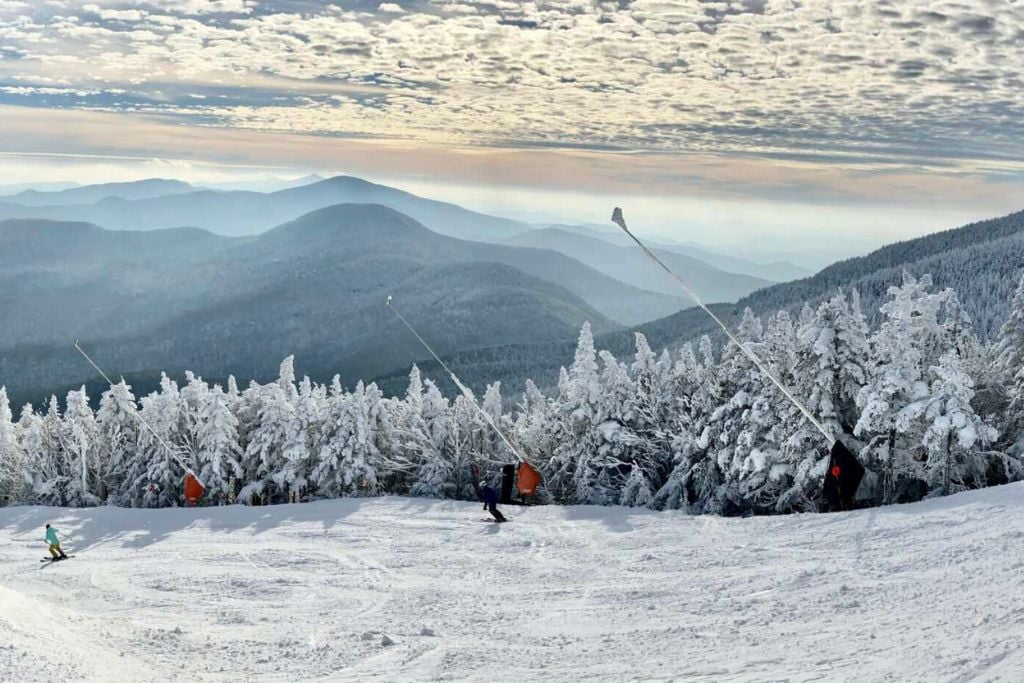
It depends on what you want! For the biggest mountain and longest season, Killington.
For a classic Vermont ski town experience with great terrain, Stowe. For families, Ludlow (Okemo). For advanced skiers who want something raw and old-school, Waitsfield (Mad River Glen).
Which Vermont mountain town is best for fall foliage?
Woodstock and Stowe are consistently the most stunning, but honestly, almost anywhere in Vermont is extraordinary in peak foliage.
The advantage of somewhere like Grafton or the Mad River Valley is that you can experience the same foliage with far fewer crowds.
But, timing matters more than location. Aim for the second or third week of October, and check foliage tracking maps the week before you go.
Do I need a car to visit Vermont mountain towns?
Yes, in almost all cases. Vermont’s public transit options are limited, and most mountain towns are not walkable from major transportation hubs.
The one exception is that some ski resorts run shuttle buses from lodging to the mountain, but to get between towns you’ll need a car. Fly into Burlington, Boston, or Manchester (NH) and rent from there.
Is Vermont worth visiting in summer?
Absolutely, and it’s one of my favorite times to go. The hiking is excellent, the roads are gorgeous, and you avoid the foliage and ski season crowds.
Many of the inns and restaurants that are packed solid in October have easy availability in July or August. Prices are also noticeably lower.
Final Thoughts
Whether you’re after skiing, hiking, good food, or just the particular feeling of driving through a covered bridge on a back road, Vermont delivers.
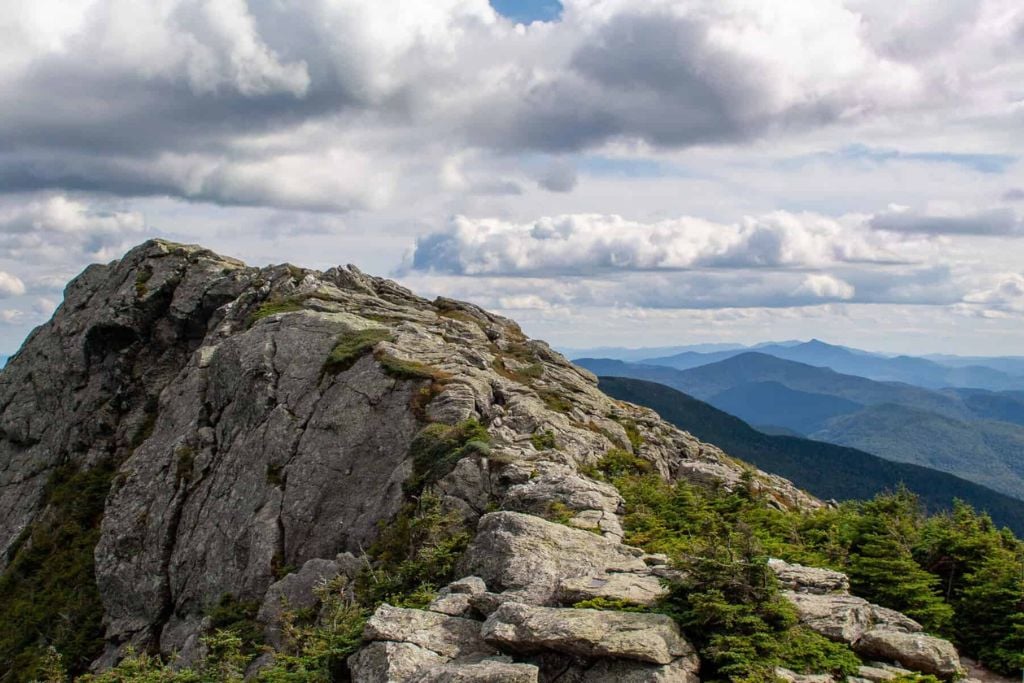
If you can only go to one mountain town, go to Stowe.
If you’ve already done Stowe and want something different, Woodstock and the Mad River Valley are my top recommendations for classic Vermont towns, and Killington for a more luxurious ski atmosphere.
