15 Affordable Digital Nomad Visas in 2025
The remote work revolution is no longer just a trend, it’s the new normal.
And in 2025/2026, countries around the world are literally competing to offer Americans a dream lifestyle that includes tropical beaches, epic mountain ranges, low costs, and of course, a visa with your name on it!
Whether you want to believe it or not, governments around the world are rolling out digital nomad visa programs that make it ridiculously easy to pack up and work abroad.
In this guide, we’ve ranked the 15 best digital nomad visas for Americans in 2025. We are specifically focusing on affordability, lifestyle perks, and how easy it is to apply.
And the best part is that many of these countries offer:
- Affordable cost of living (think $1,500 – $2,000/month)
- Fast, reliable Wi-Fi
- And straightforward application processes that don’t require mountains of paperwork.
So if you’ve ever caught yourself daydreaming about answering emails from a balcony in Bali or taking Zoom calls steps from the Mediterranean, this is your year.
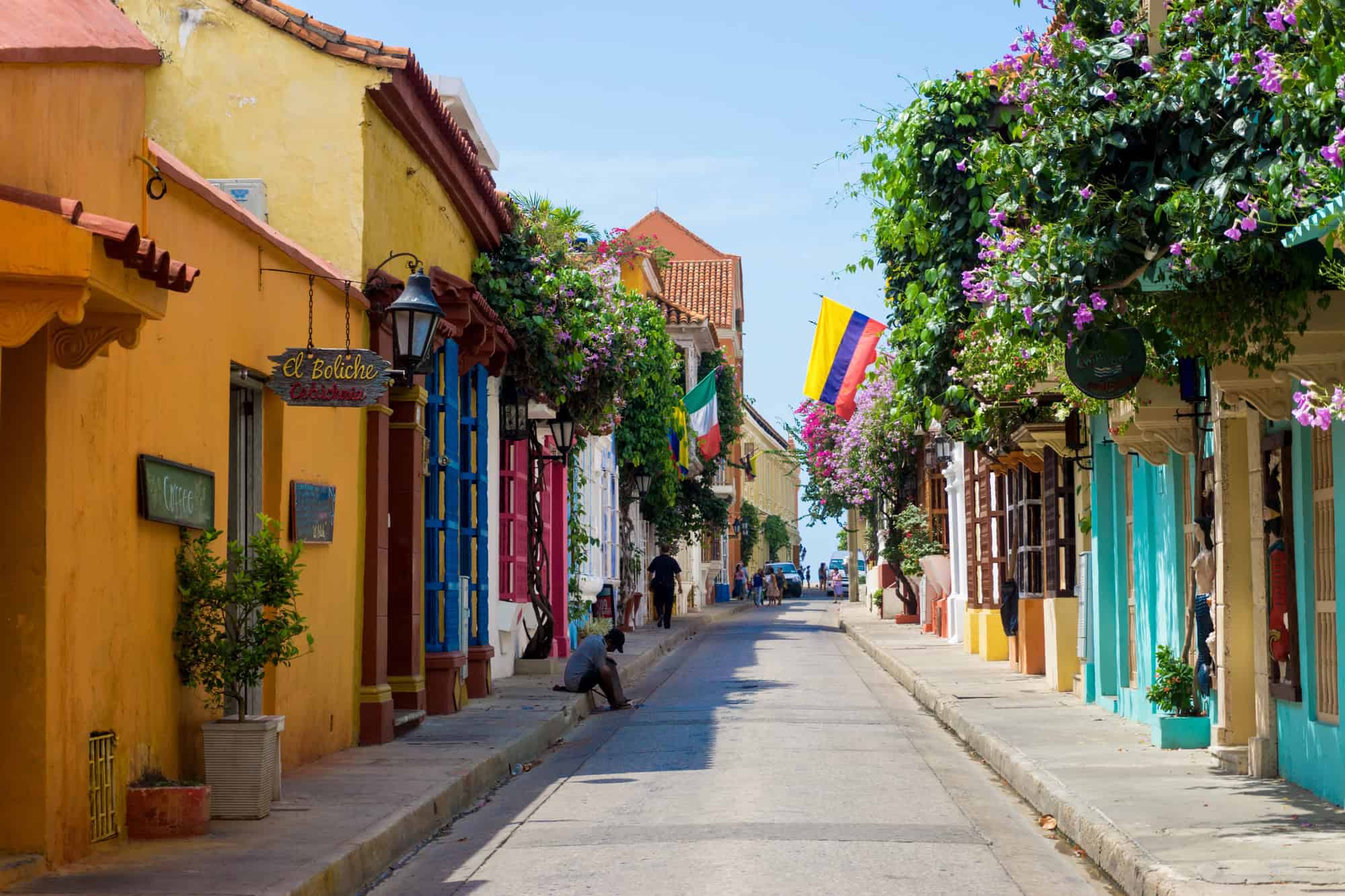
Here are the 15 most affordable and accessible digital nomad visas for Americans in 2025/2026.
15 Affordable Digital Nomad Visas in 2025
15. Costa Rica – Digital Nomad Visa
Costa Rica has officially rolled out the welcome mat for remote workers with its digital nomad visa. It’s ideal for Americans looking for a balance of natural beauty and modern comforts.
Visa is valid for one year, with the option to renew for an additional year. Renewal requires your first year to have included at least 80 days of physical presence in the country (which is pretty easy for most digital nomads).

Here’s what you need to qualify:
Living costs average around $1,700/month in popular spots like Tamarindo, Santa Teresa, or San José. While beachfront towns can be more expensive, there are plenty of affordable areas across the country where you can live well on less.
Internet speeds are reliable, especially in urban areas and digital nomad hubs along the Pacific coast. Co-working spaces are common in Tamarindo, Nosara, and even smaller surf towns like Samara.
14. Greece – Digital Nomad Visa
Greece blends history and island life that’s perfect for remote workers. And with its Digital Nomad Visa, Americans can live in a postcard while working from a beachfront cafe.
The cost of living in Greece is around $1,600/month in Thessaloniki or island towns; expect a bit more in Athens.
The wifi is solid in most cities and popular islands, while co-working spaces are popping up fast, especially in Athens and Crete.

Greece’s Digital Nomad Visa application fee is €75 and valid for 1 year, extendable up to two years.
Pro tip: Choose smaller islands like Paros, Tinos or Naxos to avoid the high-season tourist chaos while still living the absolute dream!
13. Italy – Digital Nomad Visa (Just Launched!)
La Dolce Vita just got a whole lot more accessible. Italy finally joined the digital nomad movement in 2024, and 2025 is the year remote workers are flocking to charming villages and pasta-fueled productivity.
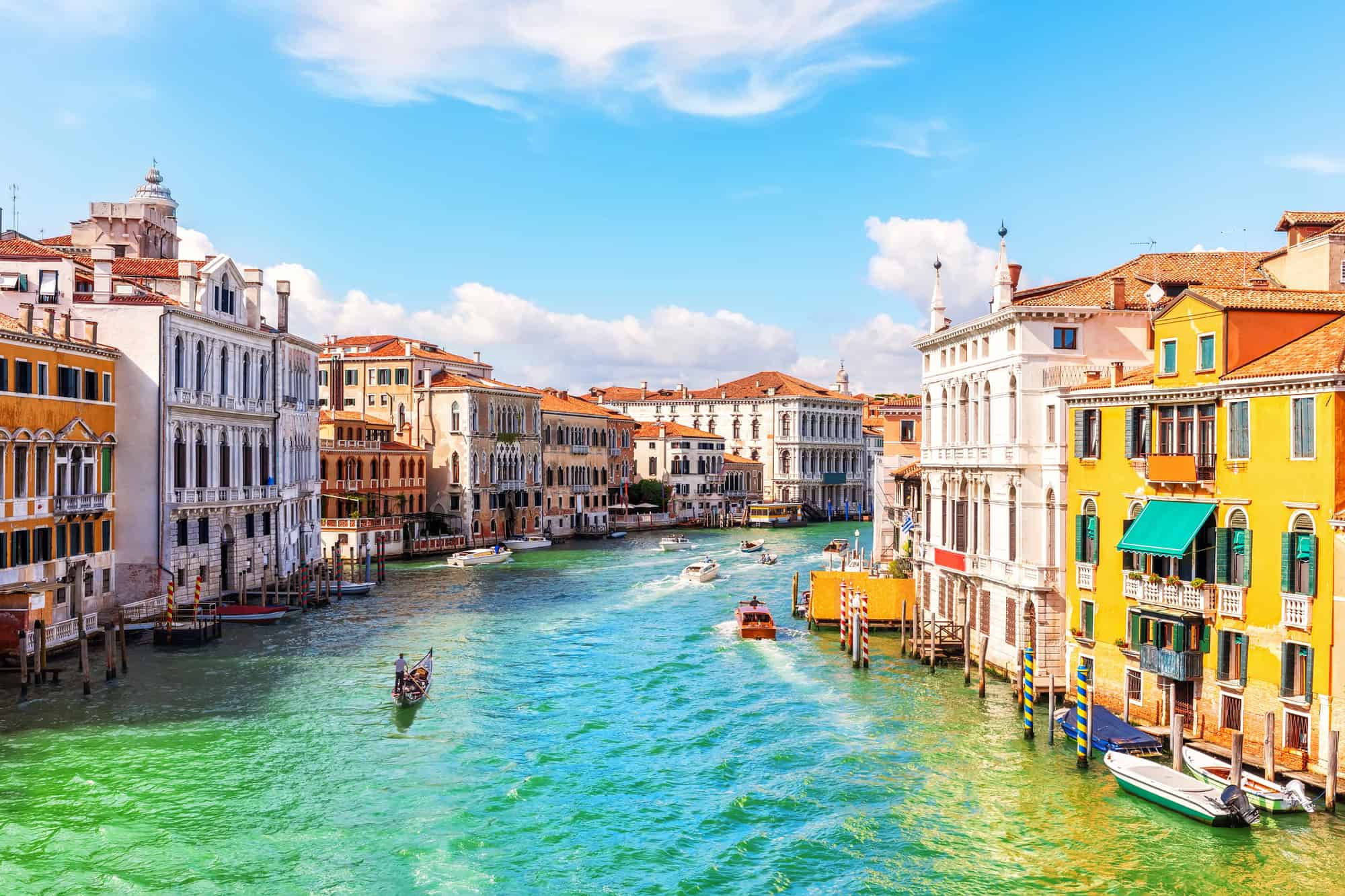
The average monthly cost of living sits around $1,800 if you avoid major tourist hubs. Smaller towns in Puglia or Sicily can be even more affordable.
As for Wi-Fi, it’s solid in most urban areas and co-working hubs. If you’re staying rural, consider investing in a mobile hotspot for backup.
Italy’s Digital Nomad Visa application costs €116 with a minimum annual income of about €28,000 for solo applicants (higher if you’re bringing dependents).
To apply, you’ll need proof of remote employment or freelance work and a steady monthly income. The visa lasts one year and can be renewed for two more. You’ll also need private health insurance, proof of accommodation (which is easy to find via Airbnb as a long-term stay or Facebook groups), and a clean criminal record.
Pro tip: Look beyond Rome and Florence. Towns in Puglia or Piedmont offer a more authentic, less touristy lifestyle, and they are beautiful!
12. Panama – Short Stay Visa for Remote Workers
Panama quietly offers one of the most convenient digital nomad setups in the Americas, especially for U.S. citizens who want modern comforts and a solid time zone match.
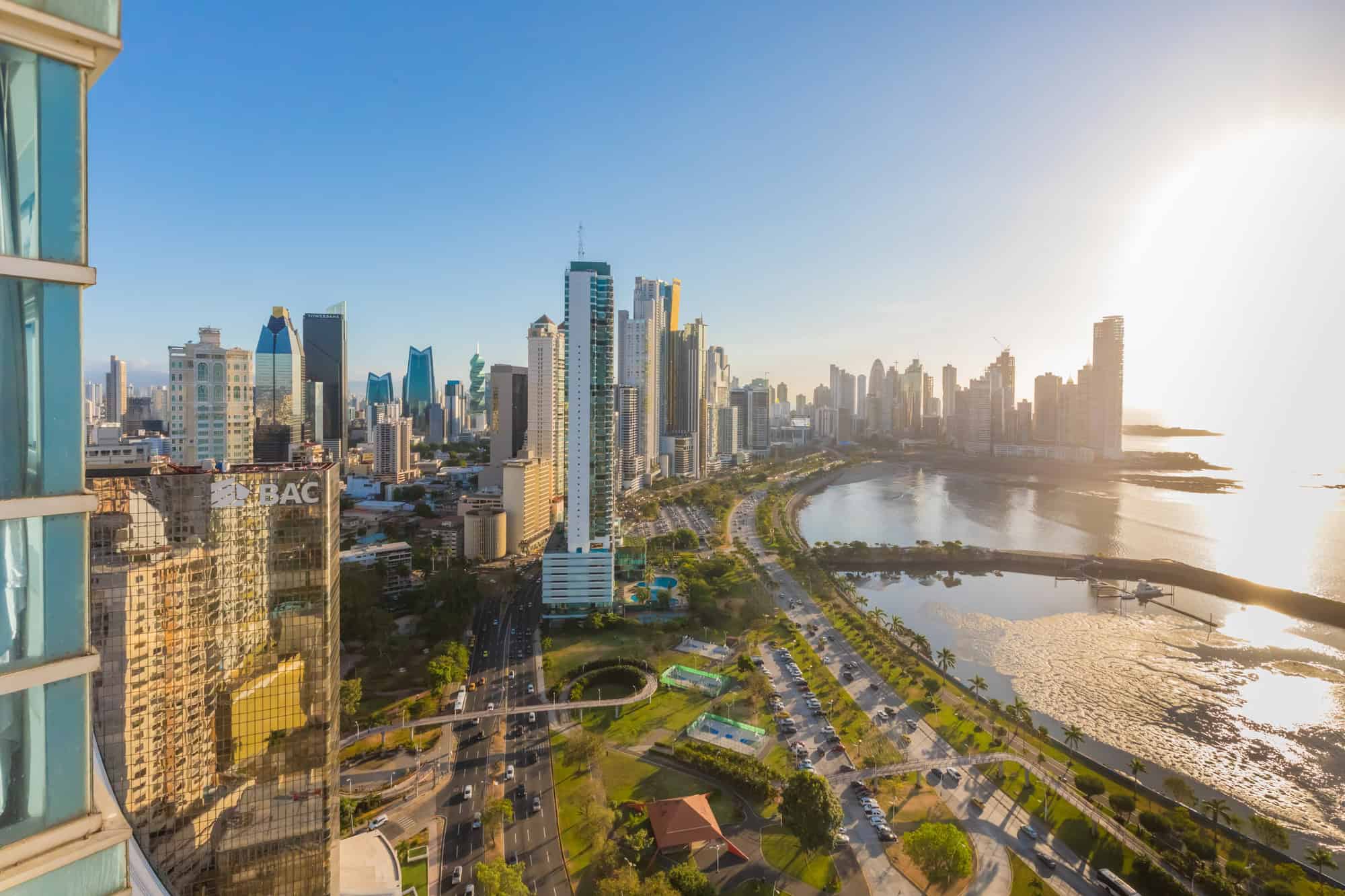
Known as the Short Stay Visa for Remote Workers, it grants up to 9 months, with the option to renew once for another 9 months.
The application fee is roughly $287, and you’ll also need to prove you make at least $3,000/month (or $36,000 per year) and have private health insurance (check out SafetyWing for this!).
Here are some things to know about Panama before deciding:
11. Estonia – Digital Nomad Visa
If you’ve never heard of Estonia, you’re missing out!
Estonia’s Digital Nomad Visa lets remote workers live and work legally from one of Europe’s most digitally forward countries. Known for its fast internet and modern vibe, it’s a great pick for efficiency and culture.
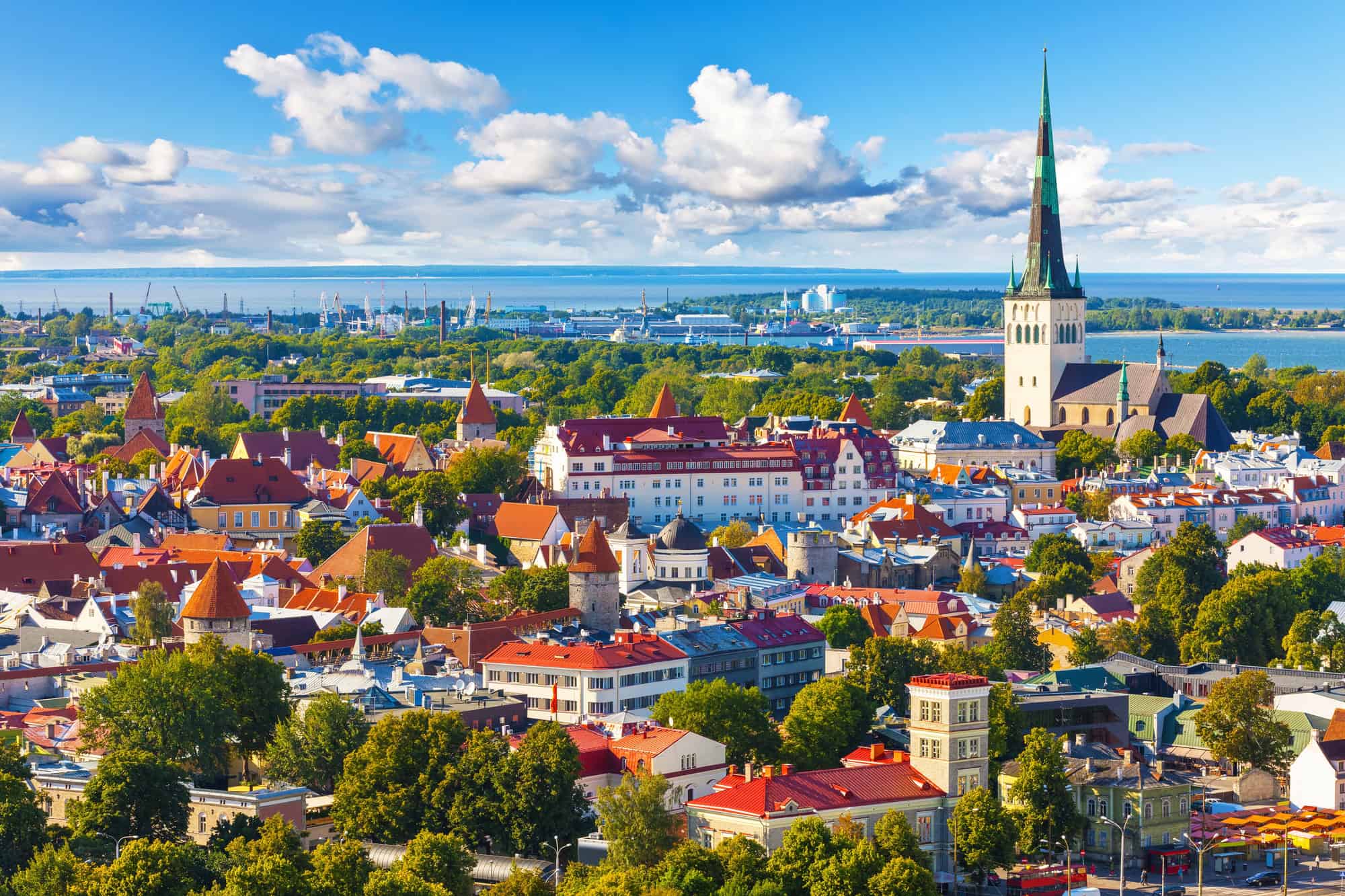
The cost of living is around $1,200-$1,600/month in Tallinn (the capital) for a comfortable lifestyle (rent, food, transport). It’s higher than some destinations, but you get excellent infrastructure, clean streets, and a very high quality of life.
To apply, you need to:
Wi-Fi is superb in Tallinn, and you’ll find many cafes, co-working spaces, and modern apartment options with fiber or quality broadband.
Pro Tip: If you’re looking for the best place to live in Estonia, Tallinn’s Old Town or Kalamaja neighborhood are great choices for beautiful architecture, lively local cafes, and everything you need within walking distance.
10. Argentina – Digital Nomad Visa
Argentina introduced its Digital Nomad Visa in May 2022, offering remote workers the chance to stay and work legally in South America’s second-largest country, the home of tango and Malbec wine. And of course, Patagonia (if you’re into hiking)!

Living costs average $1,500 per month in cities like Buenos Aires or Córdoba, offering excellent value for the price compared to the U.S. or Europe.
There is a vibrant cafe culture in Buenos Aires where the internet is reliable, but rural areas can be more hit-or-miss. Most nomads choose to base themselves in urban centers for this reason.
The visa allows a 180-day stay, renewable once for up to a year. Applicants must show remote income (around $2,500/month), valid health insurance, and a clean criminal record.
The fee is about $200, and much of the process is online.
9. Spain – Digital Nomad Visa (Updated for 2025)
Spain was late to the digital nomad party, but it’s quickly making up for lost time. With its updated 2025 visa policies, remote workers can now enjoy a smoother application process and longer stays.
To venture off to Spain, you’ll need to earn at least €2,760 per month, have proof of remote work (either freelance or for a company outside Spain), and provide a clean background check. The visa is valid for one year and renewable for up to five.
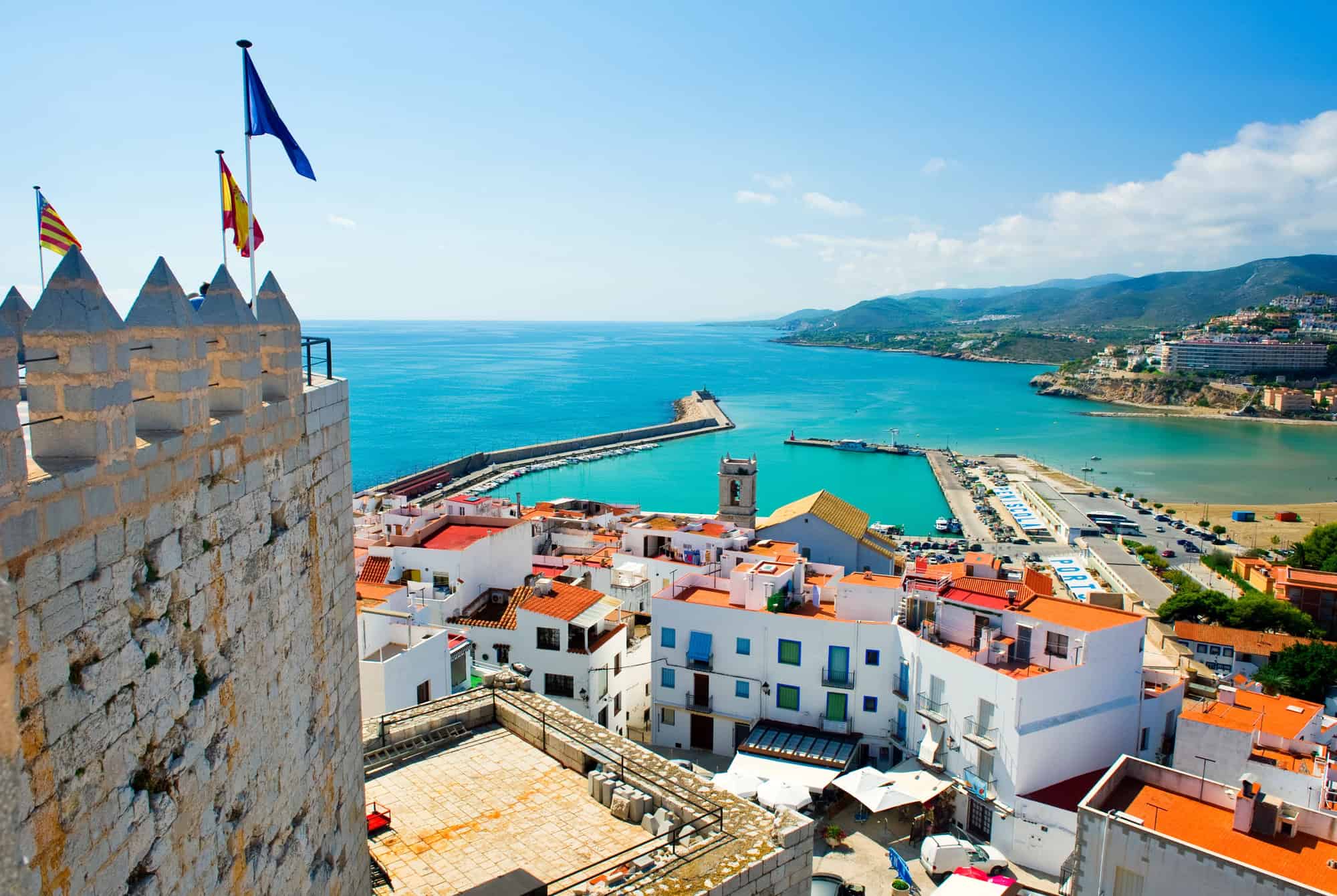
You’ll spend roughly $1,700/month living in mid-size cities like Valencia or Granada. Larger metros like Madrid or Barcelona can push costs higher, but the lifestyle payoff is undeniable.
Wi-Fi is reliable across the board, and co-working spaces are booming, especially in hubs like Barcelona. Enjoy the Mediterranean coastlines and a modern infrastructure built for digital workers. Plus, the tapas and sangria doesn’t hurt!
Pro Tip: Consider skipping Barcelona’s tourist-heavy neighbourhoods and instead base yourself in Valencia or Seville for lower rent, fewer crowds, and a thriving digital nomad community with just as much charm.
8. Malaysia – DE Rantau Nomad Pass
Malaysia’s DE Rantau program is Southeast Asia’s most underrated digital nomad visa. It’s fast, affordable, and designed specifically for remote workers who want structure without sacrificing flexibility.

The visa is valid for 3 – 12 months with the option to renew. You’ll need proof of remote work and a minimum income of $2,000/month (more specifically $24,000 annually). The process is handled online, and the application fee varies by country.
You can live comfortably in modern Kuala Lumpur or Penang for around $1,200/month. Even high-rise apartments and Western groceries come at a fraction of U.S. prices.
Wi-Fi is very fast and dependable in most urban areas, and mobile data is dirt cheap. Kuala Lumpur has one of the best digital nomad infrastructures in Asia, with loads of co-working spaces and English-friendly services.
7. Colombia – Digital Nomad Visa
Colombia has fully embraced the remote work boom with a digital nomad visa that’s both accessible and affordable. With its stunning landscapes and modern infrastructure, it’s no wonder places like Medellín are a remote work favorite!
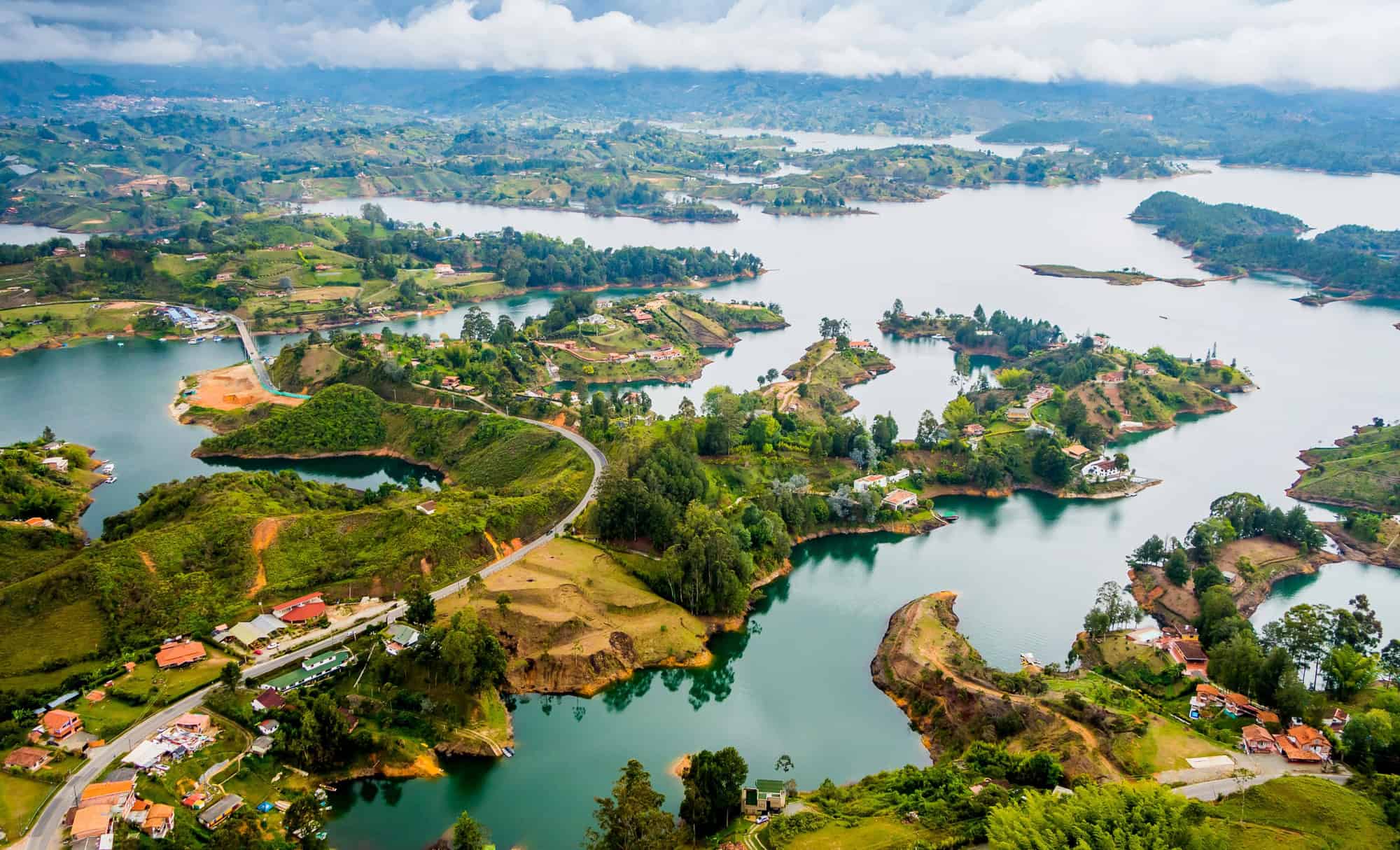
To qualify, you’ll need:
The visa can be granted for up to two years.
Expect to spend around $1,600/month living comfortably in Medellín, Bogotá, or Cali. Budget travelers can stretch their money further with local food and housing outside the big expat neighborhoods.
Wi-Fi is solid in major cities, especially in digital nomad hubs like Medellin, Bogota, and Santa Marta.
6. Croatia – Digital Nomad Residence Permit
Croatia may be better known for its Game of Thrones backdrops and Adriatic coastline, but it’s also one of Europe’s most forward-thinking destinations for remote workers.
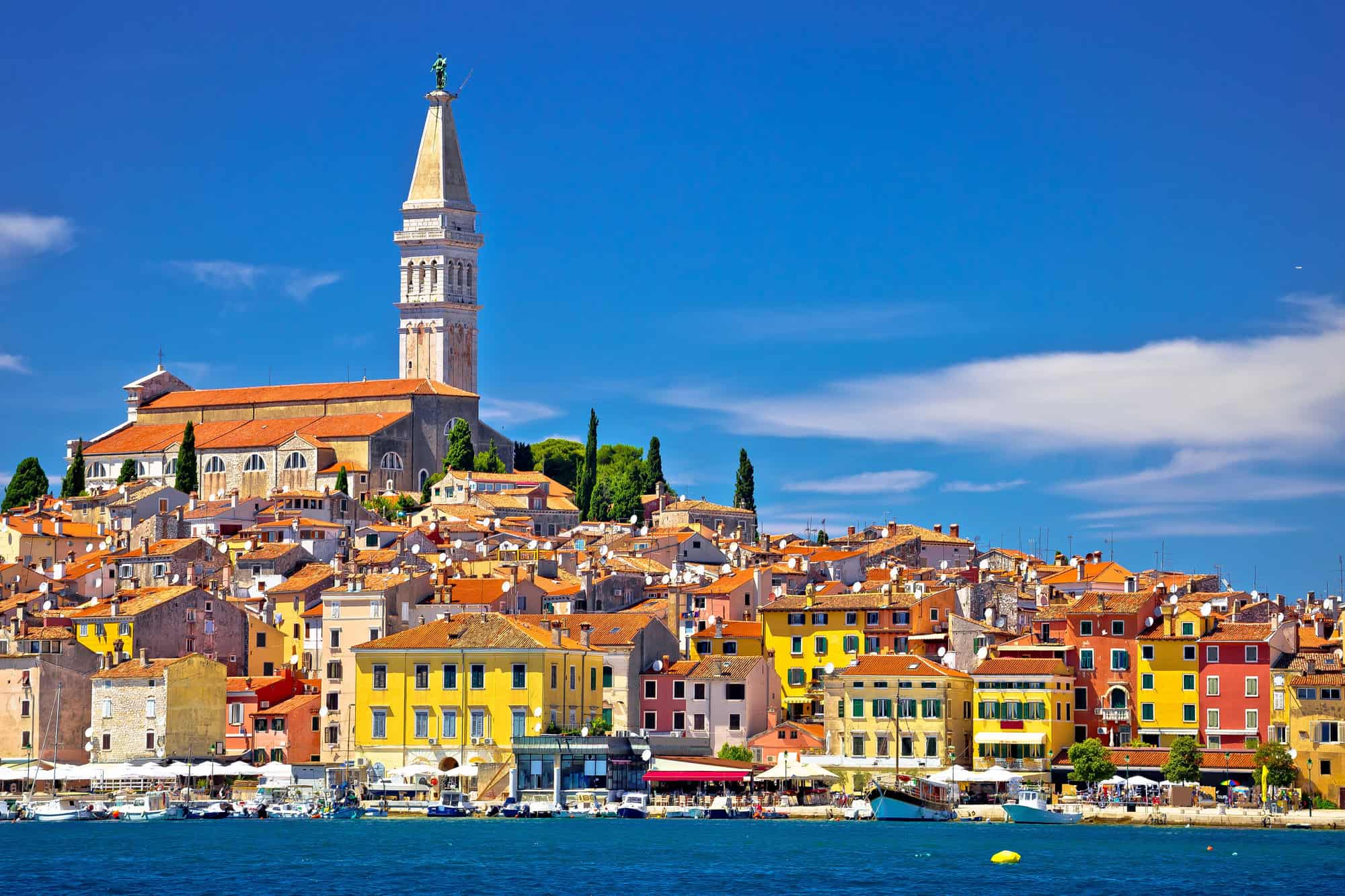
The Digital Nomad Residence Permit allows non-EU citizens (including Americans) to live and work in Croatia for up to a year. There’s no option to renew, but you can reapply after a short gap.
Monthly living costs average around $1,700 in cities like Split, Zadar, or Rijeka. Zagreb, the capital, offers even better value if you prefer an urban base.
Wi-Fi is excellent in most parts of the country, especially in major cities and tourist zones. Many towns now have co-working spaces due to Croatia’s booming digital nomad popularity. But be aware that when we were there, we experienced quite a few power outages. It could have been the time of year, but we found it a bit odd.
Pro Tip: Consider basing yourself in Split or Dubrovnik during the off-season. You’ll get lower rent cost and fewer tourists.
5. Portugal – Digital Nomad Visa
Portugal continues to dominate digital nomad rankings, and for good reason.
It’s beautiful, relatively affordable (for Western Europe), and packed with the kind of culture, cuisine, and climate remote workers are looking for.
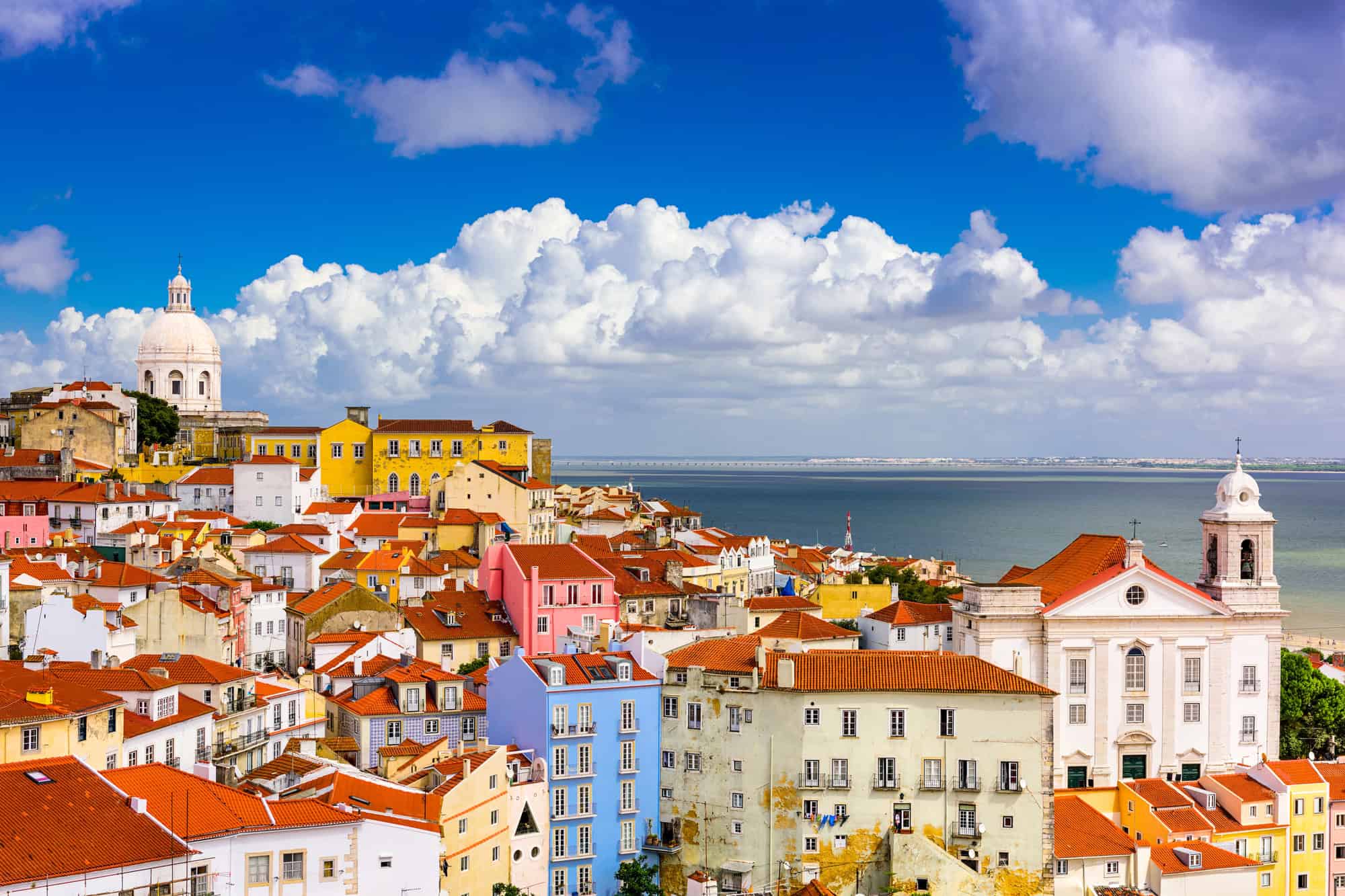
Tthe D8 Visa allows an initial 1-year stay, renewable for up to 5 years!
Requirements include at least €3,280/month income, accommodation in Portugal, and health insurance.
The visa application fee is €75.
- Expect to spend $1,800/month in cities like Porto or Lisbon
- Smaller towns and islands offer lower costs, often under $1,400/month
Wi-Fi in Portugal is consistently fast and reliable across the country. Major hubs like Lisbon, Porto, and Madeira also offer excellent co-working spaces and a well-developed remote work infrastructure.
4. Mexico – Temporary Resident Visa (Remote Work Friendly)
If you’re an American remote worker, Mexico is the ultimate easy-button.
It’s close, affordable, has built-in expat communities, and offers generous visa options, even without a formal “digital nomad” visa.

Most nomads use the Temporary Resident Visa, which lets you stay from 6 months up to 4 years. Although it’s not technically designed for remote work, it’s widely accepted for long-term stays as long as your income comes from outside of Mexico.
The application process is surprisingly straightforward.. just prove a monthly income of roughly $2,600 and pay the application fee of about $300. Apply at your nearest Mexican consulate before arriving (the cost of this consular appointment is always $54).
- Living costs can dip as low as $1,200/month in places like Oaxaca or Mérida. Even coastal spots like Puerto Escondido or Sayulita stay under $1,600/month if you’re savvy.
- Internet speeds are solid in most cities, with fiber optic available in hotspots like Mexico City, Playa del Carmen, and Guadalajara.
Pro Tip: Playa del Carmen remains a top choice for remote workers, but Mexico City is fast becoming Latin America’s creative tech capital with better infrastructure and fewer tourists.
3. Thailand – Long-Term Resident (LTR) Visa – Digital Nomad Track
My personal choice since I chose to move to Thailand in 2014! However, things have changed since then, making it even easier to access this incredible country.
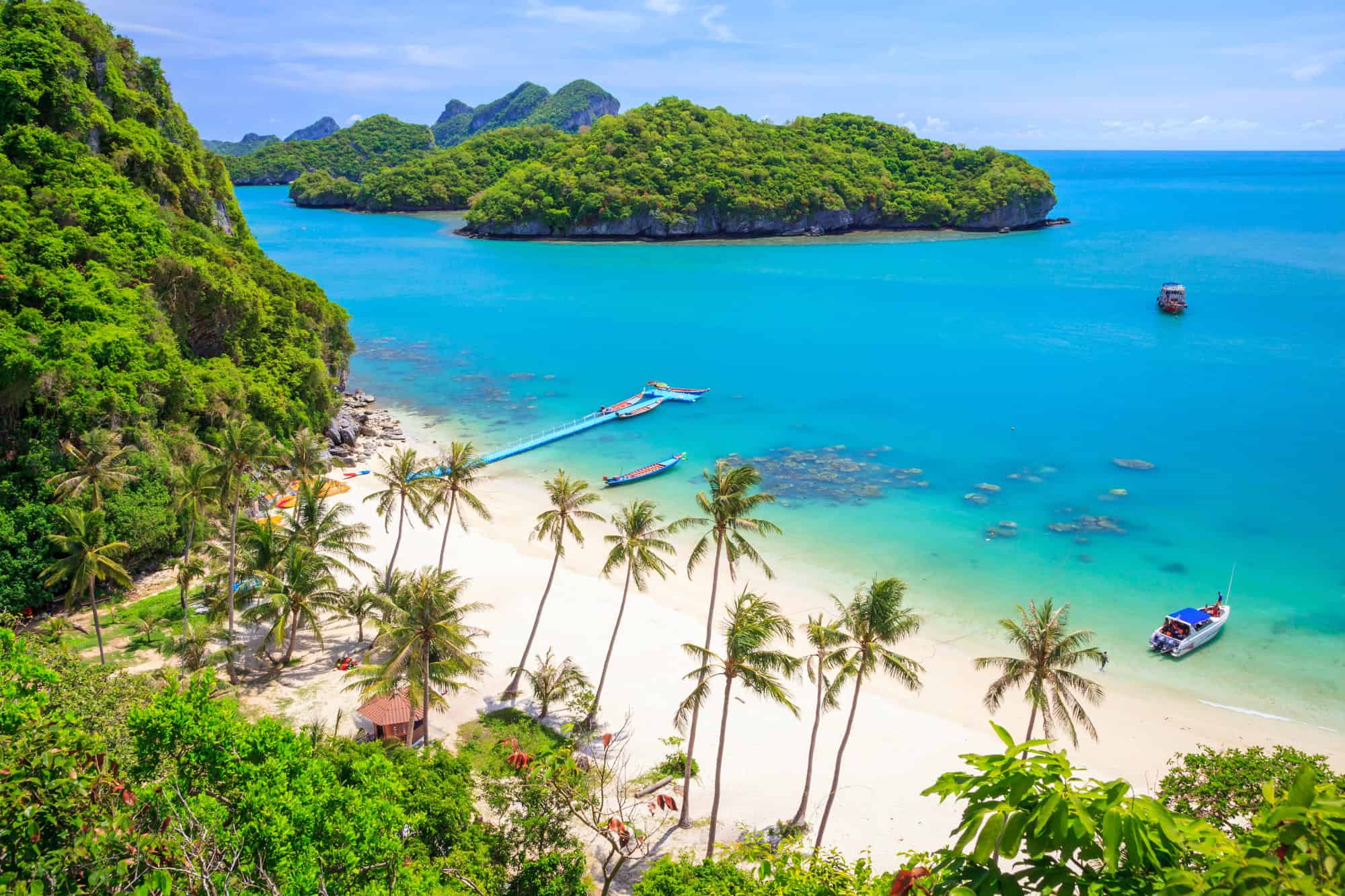
Thailand’s new DTV, launched in 2024, offers a long-term option for digital nomads, remote workers, and freelancers looking to spend extended time in the Land of Smiles.
The DTV is valid for 5 years with multiple entries. Each stay allows 180 days per entry, and you can extend that stay by another 180 days upon return.
To qualify, you’ll need:
On the ground, Thailand still offers some of the best value in Asia. Chiang Mai, Bangkok, and Koh Samui are packed with co-working spaces and fiber internet.
Daily life can cost as little as $1,200 per month, especially up north.
2. Georgia – Remotely From Georgia Program
Georgia (the country, not the state) was one of the first to jump on the digital nomad trend, and it’s still one of the easiest places for Americans to set up shop abroad.

U.S. citizens can stay visa-free for up to one year, no application necessary. In addition, the “Remotely From Georgia” program provides an optional formal framework for remote workers, though it’s not required to live and work there.
You can live very comfortably in Tbilisi or Batumi for around $1,200/month. Rent, food, and transport are all incredibly affordable, even for travelers on a tight budget.
Tbilisi is the go-to base for most digital nomads offering a strong café culture, and affordable co-living options. For beach lovers, Batumi on the Black Sea is an up-and-coming option with excellent connectivity and.. well.. beaches!
1. Albania – Digital Nomad Residency Permit
Albania has emerged as Europe’s most surprising digital nomad haven.
With some of the continent’s lowest living costs and a vibe that feels like Greece 20 years ago, this country is now on every remote worker’s radar (as it should be!).

Americans can already stay in Albania for up to one year visa-free, but the new permit gives digital nomads the option to stay even longer, with a legal pathway for remote work and future residency.
The application process is still evolving, but it typically requires proof of remote income of at least $890/month, basic documentation, and a clean background check. Unlike in the EU, the requirements are less strict and far more flexible. And the application fee is only €45
Living costs are crazy low, around $1,200/month in Tirana or coastal towns like Vlore or Sarande. Food, rent, and even beachfront rentals are still easily affordable.
Wi-Fi is strong in cities and improving rapidly along the coast, though similar to Croatia, I wouldn’t expect electricity to be *super* reliable all the time. We had frequent power outages, and I think it’s important to note that for anyone who needs nonstop stable WiFi.
How to Choose the Right Country To Move To
With so many options on the table, choosing where to live as a digital nomad can feel overwhelming. Each destination has its perks, but your perfect fit depends on a few key factors.
Time zone matters
If you’re working for a U.S.-based company, being on a wildly different schedule (looking at you, Asia) might be interesting at first but exhausting over time.
Countries like Colombia, Mexico, and Panama offer near-identical time zones, which makes it easier to sync with your team and avoid late-night Zoom calls.
Consider your budget
Even among affordable countries, the range is wide.
If you’re keeping costs ultra-low, places like Vietnam, Georgia, or Albania offer full comfort for under $1,000/month.
Higher-tier options like Portugal or Spain offer amazing lifestyle perks, but the price difference is definitely there.
Ask yourself: urban or Off-The-Beaten-Path life?
The good news is that most countries offer both, so choose wisely.
My best advice is to stay in a smaller town just outside of a larger city. That way you have all the conveniences of the city right next door while still enjoying the peace and tranquility of a a small town.
Look into the visa fine print
Some visas allow family members or renewals, others don’t. Some have strict income requirements or health insurance rules. Always double-check the most current requirements before committing!
I just saw someone post on Instagram that they packed all their belongings up to move to Italy only to realize they needed to actually apply for a visa.. yikes!
Don’t let that be you!
Do Your Due Diligence
Family inclusion policies differ significantly between programs, with some requiring separate applications or higher income thresholds.
Many countries also have underlying requirements not mentioned above, such as minimum education levels, work experience, or specialized skills. Again, always verify current requirements.
What to Know Before You Apply
Applying for a digital nomad visa isn’t as complicated as it sounds, but missing a detail can delay or derail your plans.

Here’s what you need to know:
You’ll need proof of income every time
Most countries require you to show steady, remote income. This could be a salary from a foreign employer, freelance contracts, or business earnings.
Health insurance is non-negotiable
Nearly all visa programs ask for private health insurance that covers you in their country. Some even specify minimum coverage amounts. Consider international providers like SafetyWing that cater to digital nomads.
A clean background check is standard
Expect to provide an FBI background check (or equivalent from your home country), sometimes with an apostille.
This step can take a few weeks, so start early.
Accommodations may be required upfront
Countries like Croatia and Portugal want to see proof of where you’ll be staying, at least for the first month or two. Airbnb bookings, rental agreements, or letters from host families often work.
My best recommendation is to use Airbnb and set the dates for at least a month. I almost always find amazing monthly deals by doing this!
Tax status can get complicated
Tax implications vary dramatically; some countries may tax your worldwide income after 183 days, while others offer exemptions with specific conditions.
Some nomad visas come with tax perks (like no local taxes for a certain period), and others might consider you a tax resident after 6 months. As a U.S. citizen, you’re taxed on global income no matter where you live, but you may be eligible for the Foreign Earned Income Exclusion (FEIE).
Renewal processes often require more than initial applications, including proof of tax compliance or temporary exits from the country.
Pro tip and important disclaimer: I am not a tax expert. Talk to someone who does taxes professionally (especially for digital nomads) before you make the leap.
Processing times vary wildly
Some applications are handled online and approved in days (like Malaysia), while others can take 2–3 months (like Spain or Italy). Factor in lead time when planning your move.
Pro Tip: Scan and back up all your documents, including your passport, visa application, proof of income, insurance, and accommodation.
The Wrap Up: 15 Affordable Digital Nomad Visas in 2025
With more digital nomad visas available than ever before, Americans no longer need to limit their remote work dreams to the confines of a home office.
The key is preparation. Know your income, get your documents in order, and choose a destination that fits both your budget and your bandwidth needs.
So go ahead, make 2025 or 2026 the year you finally stop daydreaming about working abroad… and actually do it!
