17 Most Accessible Countries for Americans Looking to Move Abroad
Are you burned out by work and tired of the rising cost of living? Maybe you’re wondering if life really has to be this hard.
I’ll tell you.. you are NOT alone, and you’re definitely not stuck.
More Americans than ever are considering a fresh start overseas, whether to escape rising costs or chase a long-held dream. But there’s one question that always comes first:
Where can I actually go?

The truth is, relocating abroad is absolutely possible, and there are plenty of options. I’ve tested this out firsthand. From teaching English in bustling Bangkok to living on a Greek island, road-tripping through Montenegro, and spending months in Bali!
In this list, you’ll find 17 destinations that make relocating feel less like a bureaucratic nightmare and more like an exciting (and possible) new chapter.
These 17 Countries Practically Beg You to Move There
Most countries have visa requirements, income thresholds, and intricate steps you’ll need to prepare for, but there are a handful that offer generous visa-free stays or simplified visa entry.
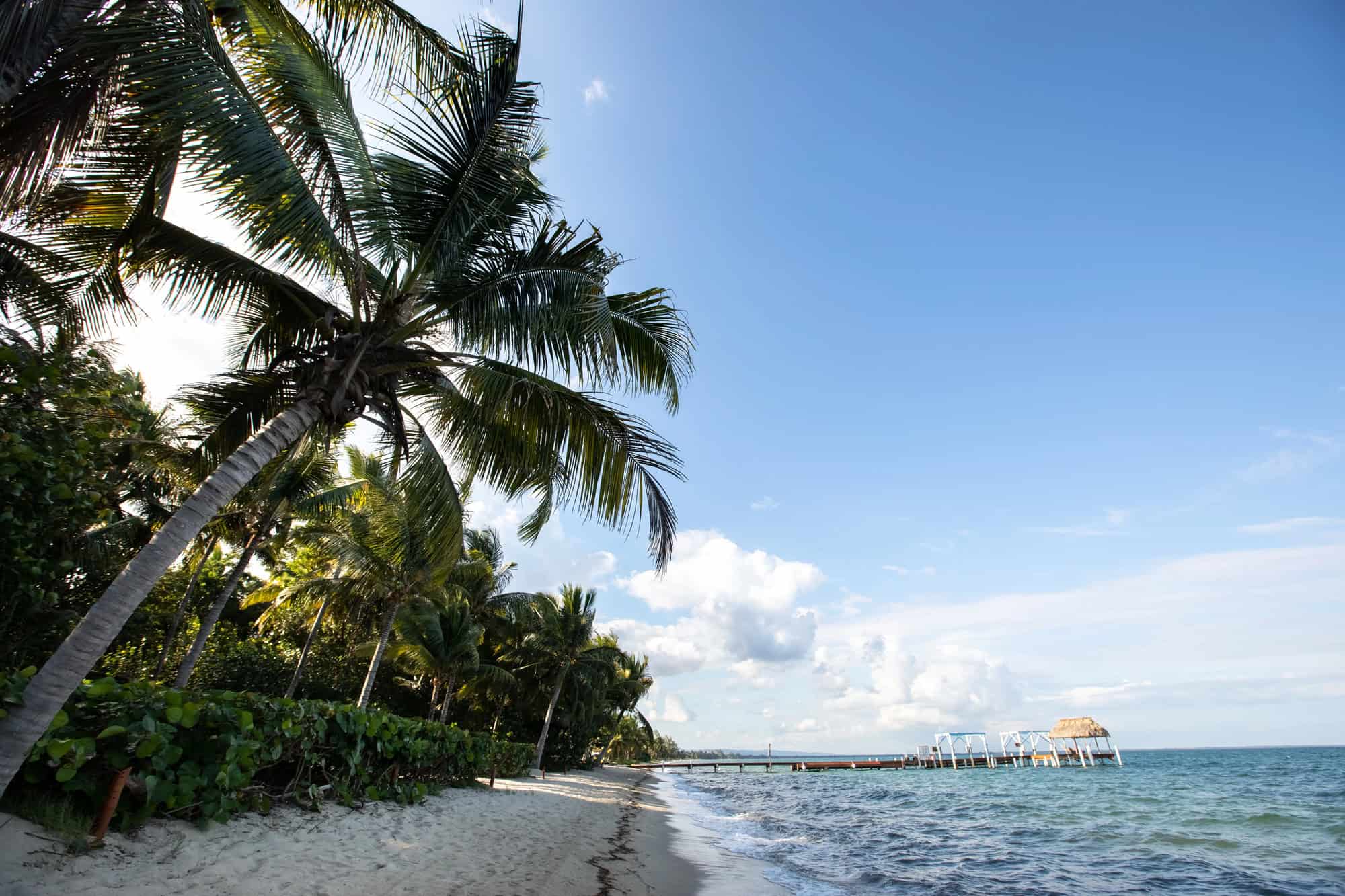
The key is finding destinations where the path to relocation is more accessible:
Whether you want to teach, retire, work remotely, or just see what’s out there, these countries make it possible.
Pro tip: Join local Facebook expat groups before making any move. They’re often more helpful than government websites, offering firsthand tips, landlord recommendations, and visa advice that’s actually lived.
17. Indonesia (Bali)
After spending three months traveling around the island, it’s clear why so many Americans end up staying far longer than planned.
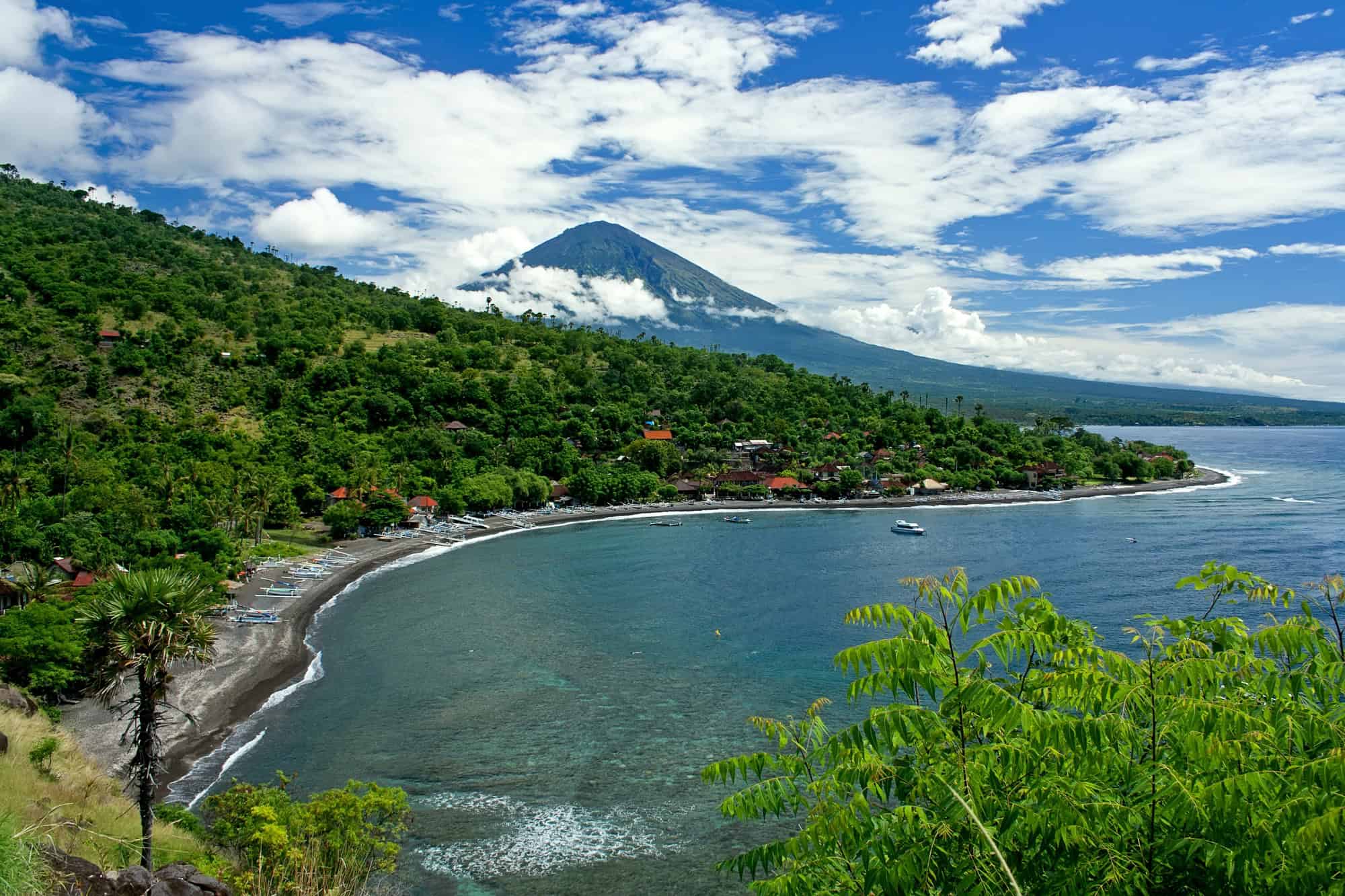
Between the spiritual energy of Ubud, the surf-town buzz of Canggu, and the natural beauty everywhere you look, Bali makes it incredibly easy to slow down and actually enjoy life.
Visa-wise, it’s not a one-size-fits-all setup, but it’s far from difficult.
Most expats start with:
- A 30-day tourist visa (extendable once for another 30 days).
- Or a Social-Cultural Visa (B211A or C1), which can be extended for 180 days.
- Longer-stay options are available with the help of a local visa agent.
Once you’re settled, the island offers everything you need: fast internet, supportive coworking spaces, budget-friendly housing, and a global community of nomads, healers, artists, and entrepreneurs.
Reality Check: Visa extensions require using an agent and careful timing. Residency options are more complex and often require business sponsorships or investments.
16. Greece
Greece might seem like a dream destination, but it’s also surprisingly practical for Americans looking to relocate.

With the introduction of the Digital Nomad Visa, Greece now welcomes remote workers with open arms.
You only need proof of steady income and a few basic documents to start the process, but once you’re in, you’ll have access to stunning island life and one of the richest cultural heritages in the world.
What makes Greece even more appealing is its affordability outside of the summer months.
Spend the off-season in places like Paros, Tinos, or Milos (where we spent two peaceful months living like a local) and you’ll experience the country’s true charm at a fraction of the price.
Important Tip: The digital nomad visa requires a monthly income of €3,500 and private health insurance. Bureaucracy can be slow, and public services are hit-or-miss.
15. Montenegro
Full Disclosure: Montenegro is one of our favorite destinations EVER. I honestly can’t believe more people don’t know about it.
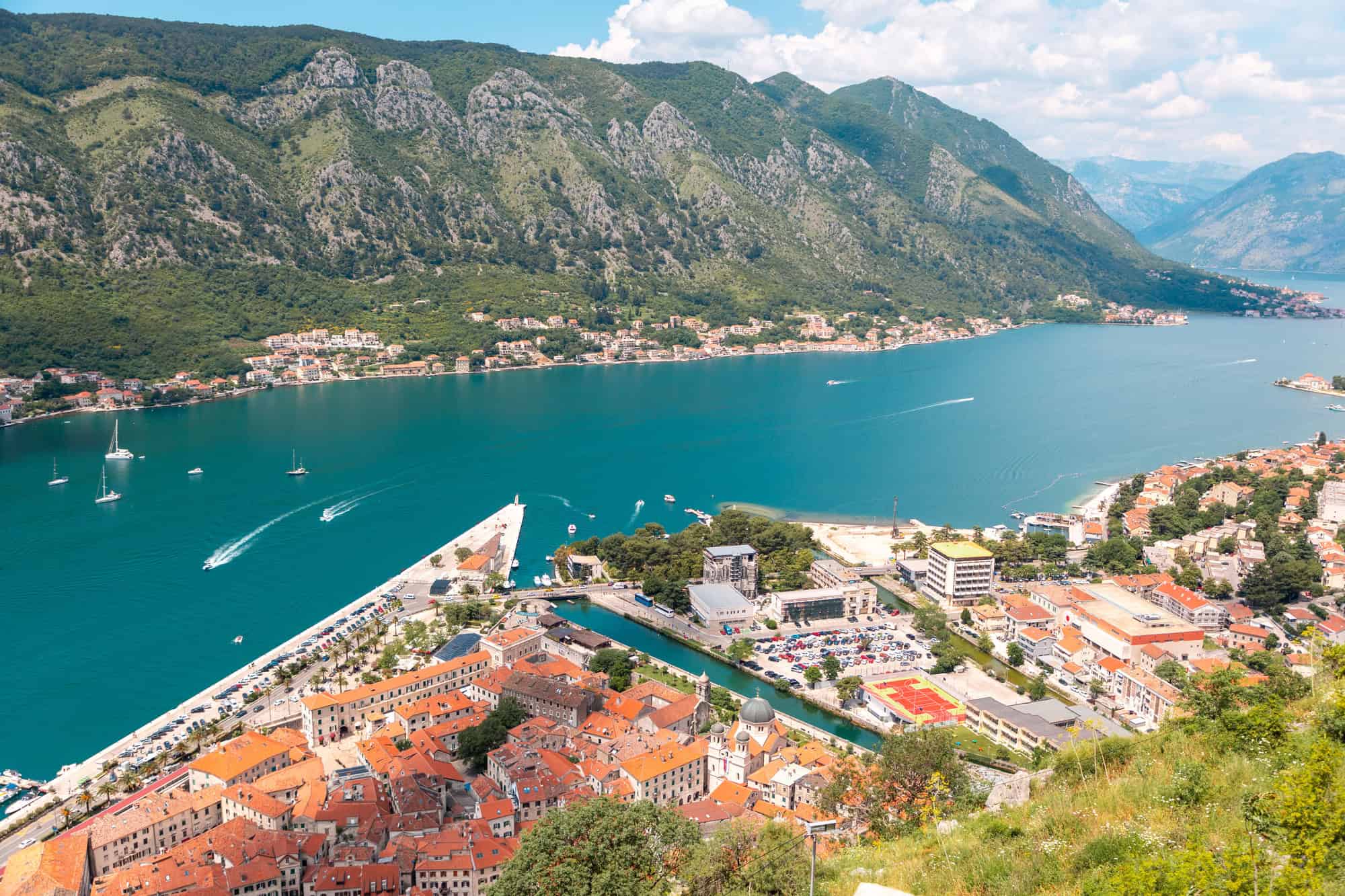
When we spent over a month in Kotor, I didn’t expect to fall for it as hard as we did. I always say that Kotor is like Norway and Italy having a baby. Think medieval streets, dramatic mountains, fjords of the Bay of Kotor, etc.
Absolutely MAGICAL.
And the best part is that moving here as an American is surprisingly easy.
You can stay in Montenegro for up to 90 days visa-free, and there are temporary residency options if you decide to stay longer. And I recommend you do because the cost of living is among the lowest in Europe.
Not to mention, whether you’re road-tripping the coast or hiking in Durmitor National Park, there’s a calmness here that’s hard to find elsewhere.
Important Tip: Long-term visas require registration with police, documentation in Montenegrin, and proof of funds. Use your first 90 days to explore cities like Kotor, Budva, and Podgorica before committing.
14. New Zealand
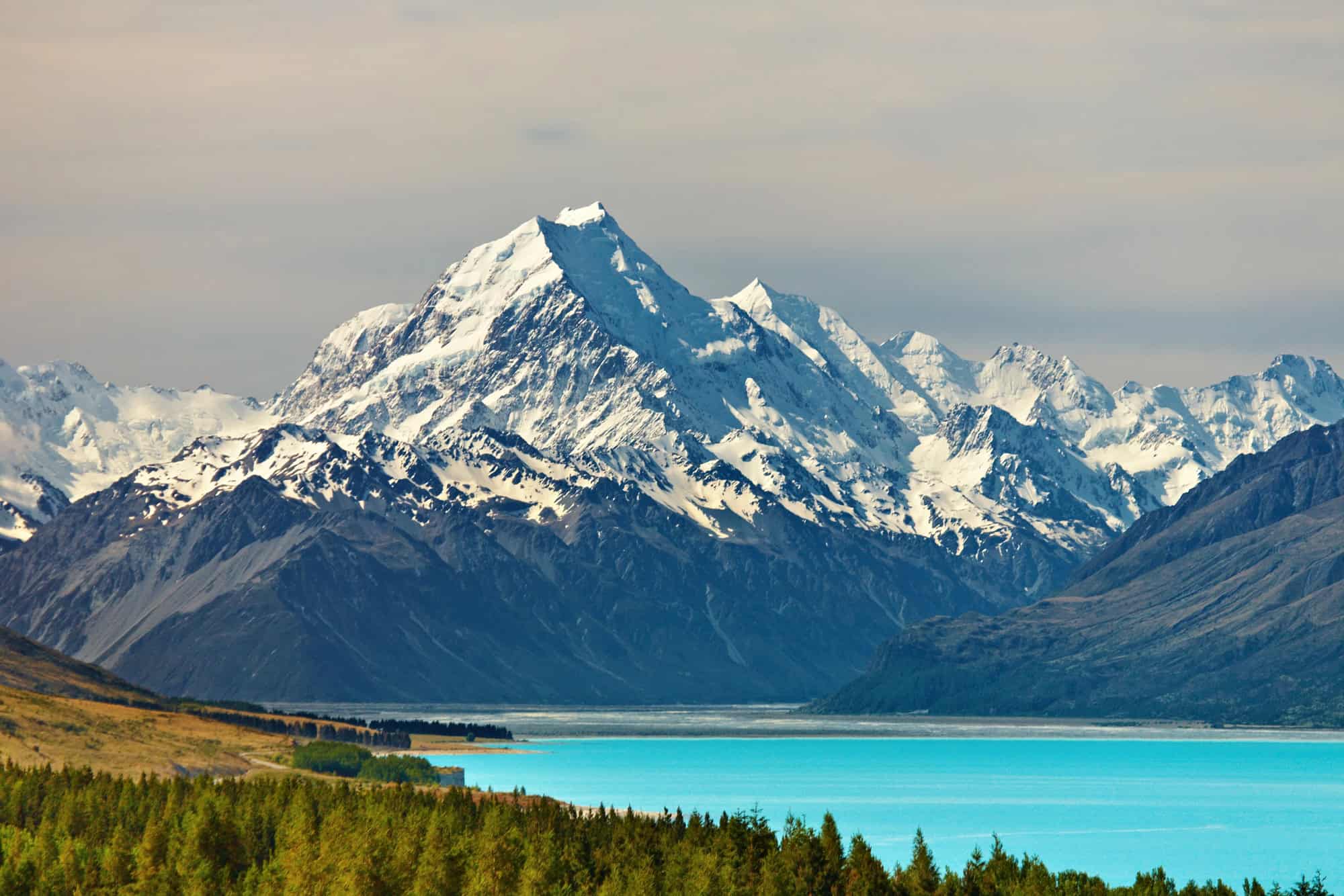
New Zealand has jaw-dropping landscapes and a relaxed pace of life. Pretty much everything you could want in a country. It’s no wonder so many Americans fantasize about relocating here.
For those under 30 years old, the Working Holiday Visa makes it especially easy to stay for up to a year while working and traveling.
Beyond that, the country offers several skilled migration and long-term visa pathways.
With strong infrastructure and a culture that values work-life balance, it’s an ideal place for a fresh start.
Keep in mind, living costs can be a bit higher than other entries on this list, especially in cities like Auckland or Wellington, but the tradeoff is a high quality of life, and a population that genuinely welcomes newcomers.
Not to mention, it’s still fairly low cost compared to USA prices.
Important: Working Holiday spots are limited and age-restricted. Long-term residency requires qualifications or sponsorship.
13. Georgia (the country)
When we visited Georgia, we go the same response over and over from people in the USA: “Oh.. the state?”
Nope! The country!
Georgia is one of those places that flies completely under the radar. It’s tucked between Europe and Asia, and it offers a full year of visa-free living for Americans.
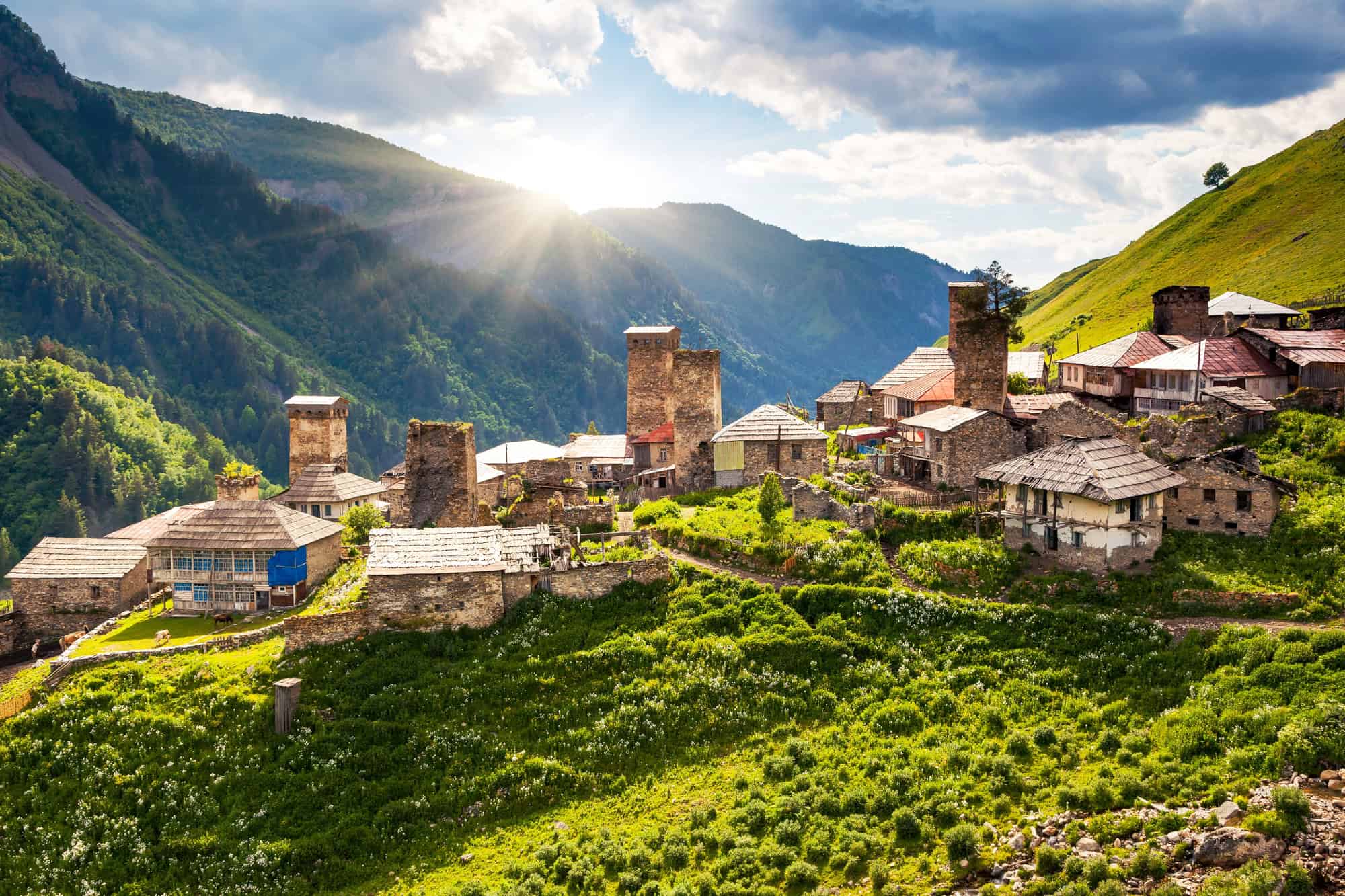
No fees, no complicated paperwork, no pre-approval. Just show up and stay.
The capital, Tbilisi, is packed with character with things like cobblestone streets, wine bars, a growing digital nomad scene, and so much more.
If you’re into quiet small-town living, the countryside is equally impressive. There you’ll find snowy peaks and ancient monasteries. Not to mention some of the friendliest locals you’ll ever meet.
The cost of living is *very* low, making it a perfect destination for budget-conscious expats or remote workers.
Rent, food, and transportation are all affordable, and the internet is fast and reliable.
Important: While access is easy, long-term residency beyond one year requires more planning. Healthcare and infrastructure are still developing.
12. Albania
Albania might just be the easiest European country you’ve ever considered moving to, and that’s exactly why it’s such a gem (among other reasons, of course).
For Americans, the move is incredibly easy. You can stay visa-free for up to a year, no paperwork required. That’s 12 months to settle in and decide if you want to stay longer.
But as I mentioned, ease isn’t the only reason to go.
If you didn’t know, Albania is stunning. Think turquoise beaches along the Albanian Riviera, dramatic mountain drives, charming old towns, and so much more.
Places like Berat, Gjirokaster, and coastal Sarande offer the European lifestyle, without the European prices.
The cost of living here is extremely low, especially compared to nearby countries like Greece or Italy.
Important: Healthcare is basic, and infrastructure lags behind Western Europe. English is not widely spoken outside of tourist areas.
11. Colombia
Colombia has shaken off its old reputation and stepped into the spotlight as one of the most dynamic and expat-friendly countries in Latin America.
With the launch of a new digital nomad visa, it’s now easier than ever for Americans to stay long-term.
Places like Medellín have exploded in popularity, thanks to their spring-like weather and dynamic mix of locals and digital nomads.
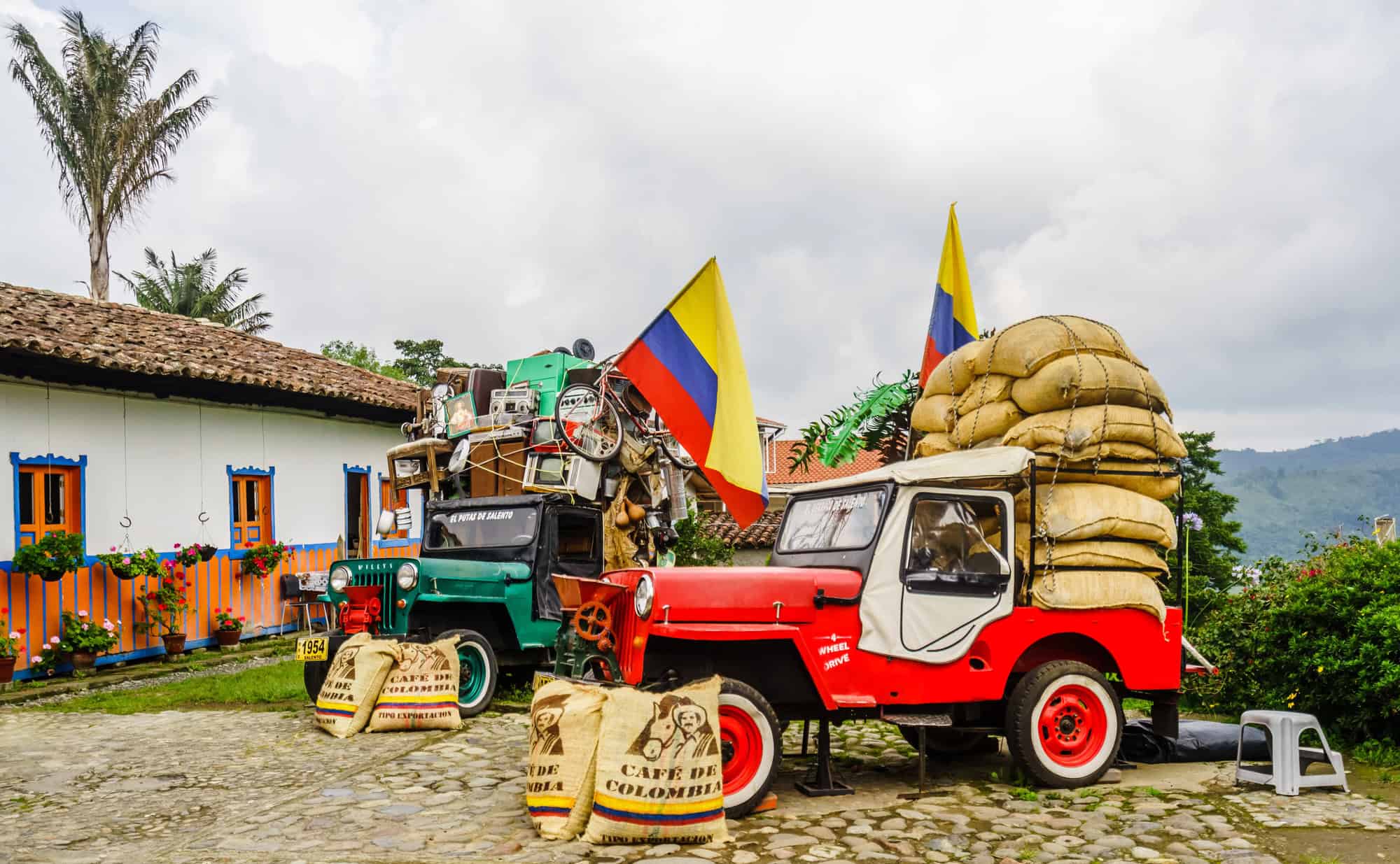
Colombia is also budget-friendly. Housing, food, transportation, and even private healthcare are all dramatically cheaper than in the U.S.
Plus, the country has a welcoming culture that makes it surprisingly easy to plug in and build a life.
important: While Medellín is popular, safety and healthcare access vary. Long-term visas still require financial proof and documentation in Spanish.
10. Malaysia
Malaysia is a rare destinations that feels easy from the moment you arrive.
Whether you’re drawn to the futuristic skyline of Kuala Lumpur or the laid-back vibes of Penang, it offers a system that makes relocation surprisingly smooth.
One of the biggest advantages is language. English is widely spoken, so navigating daily life is a breeze.
Healthcare is high-quality and low-cost, and internet speeds are solid across most major cities.
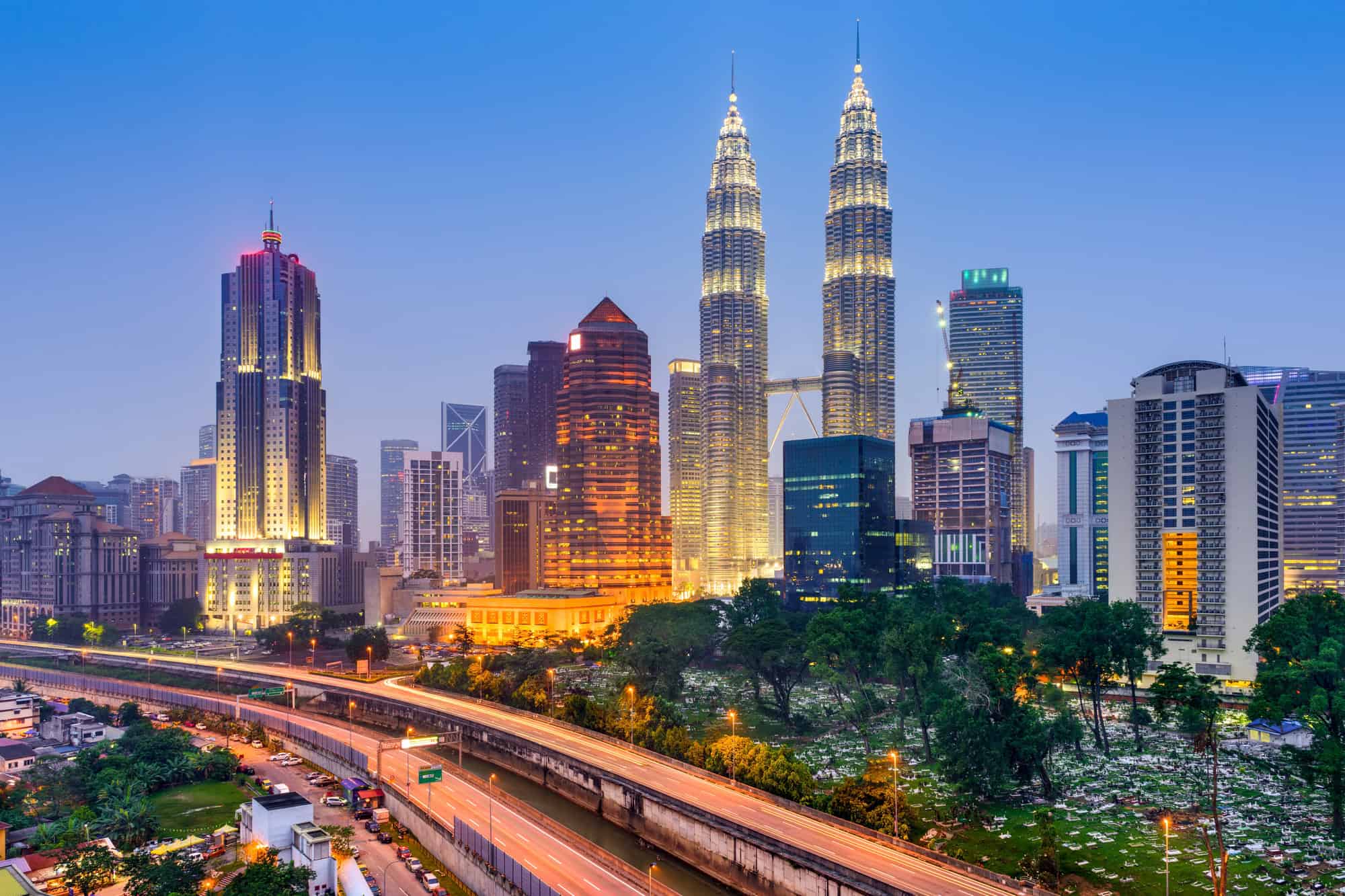
Visa-wise, Malaysia’s DE Rantau program is a dedicated visa for remote workers, digital freelancers, independent contractors, and various professionals, allowing stays of up to 12 months renewable for an additional 12 months.
Penang is especially popular with expats thanks to its coastal beauty.
9. Uruguay
If you’re looking for a stable, progressive, and drama-free place to settle down.. it’s Uruguay.
Often called the “Switzerland of South America,” Uruguay is politically calm, economically stable, and one of the safest countries in Latin America.
It also offers straightforward residency for Americans; no million-dollar investments or complicated hoops to jump through.
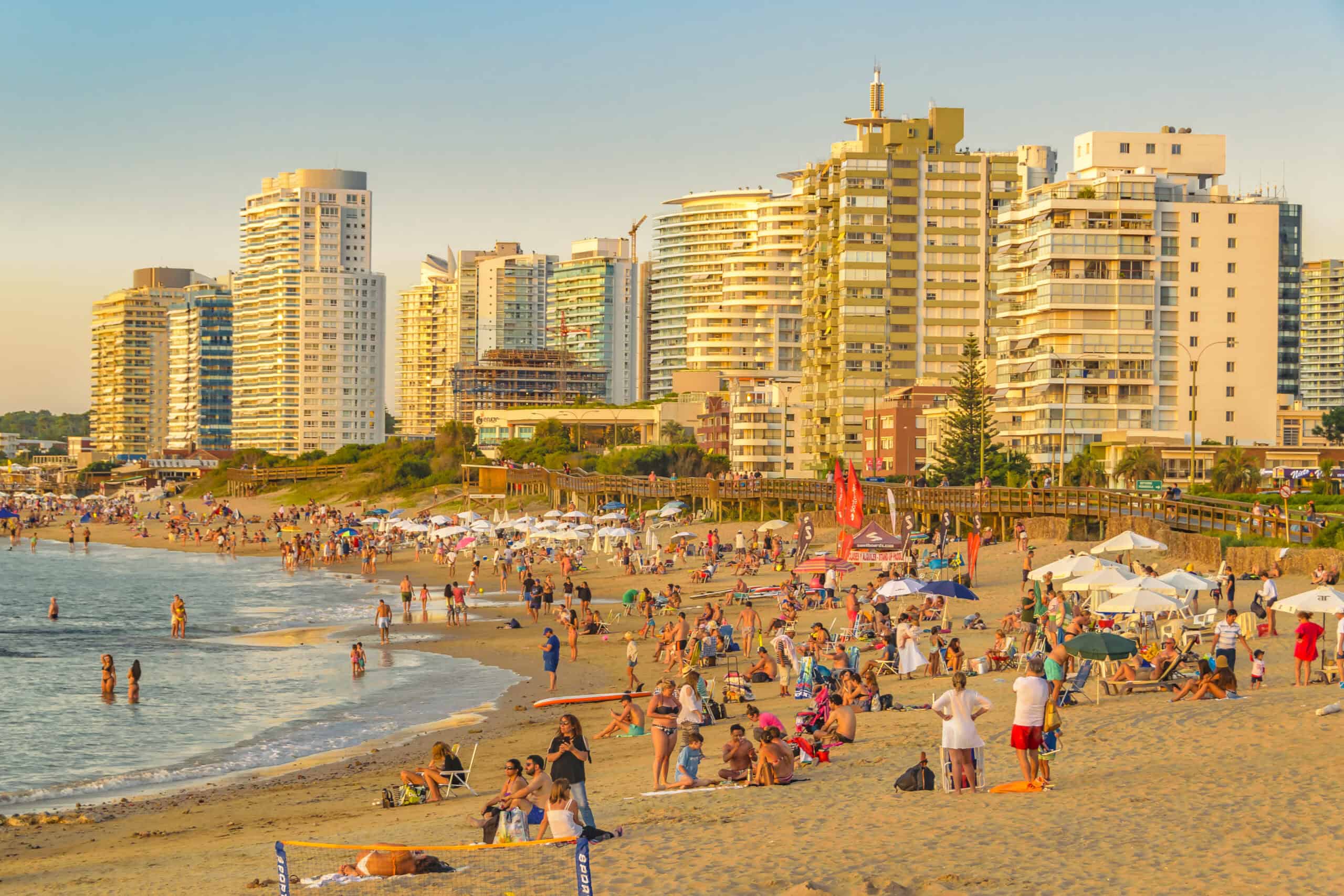
The capital, Montevideo offers a coastal lifestyle, while smaller towns like Punta del Este or Colonia are ideal for beach lovers and retirees.
The pace is slower, the healthcare is excellent, and you don’t need to speak perfect Spanish to get by.
Important: Bureaucratic processes are slow, and Spanish is necessary for all legal steps. Import costs and utilities are high.
8. Spain
Imagine you’re sipping espresso at a sidewalk cafe in Valencia.. the Mediterranean breeze is cooling, your rent is a third of what it was in the States, and your biggest decision today is which tapas to try next…
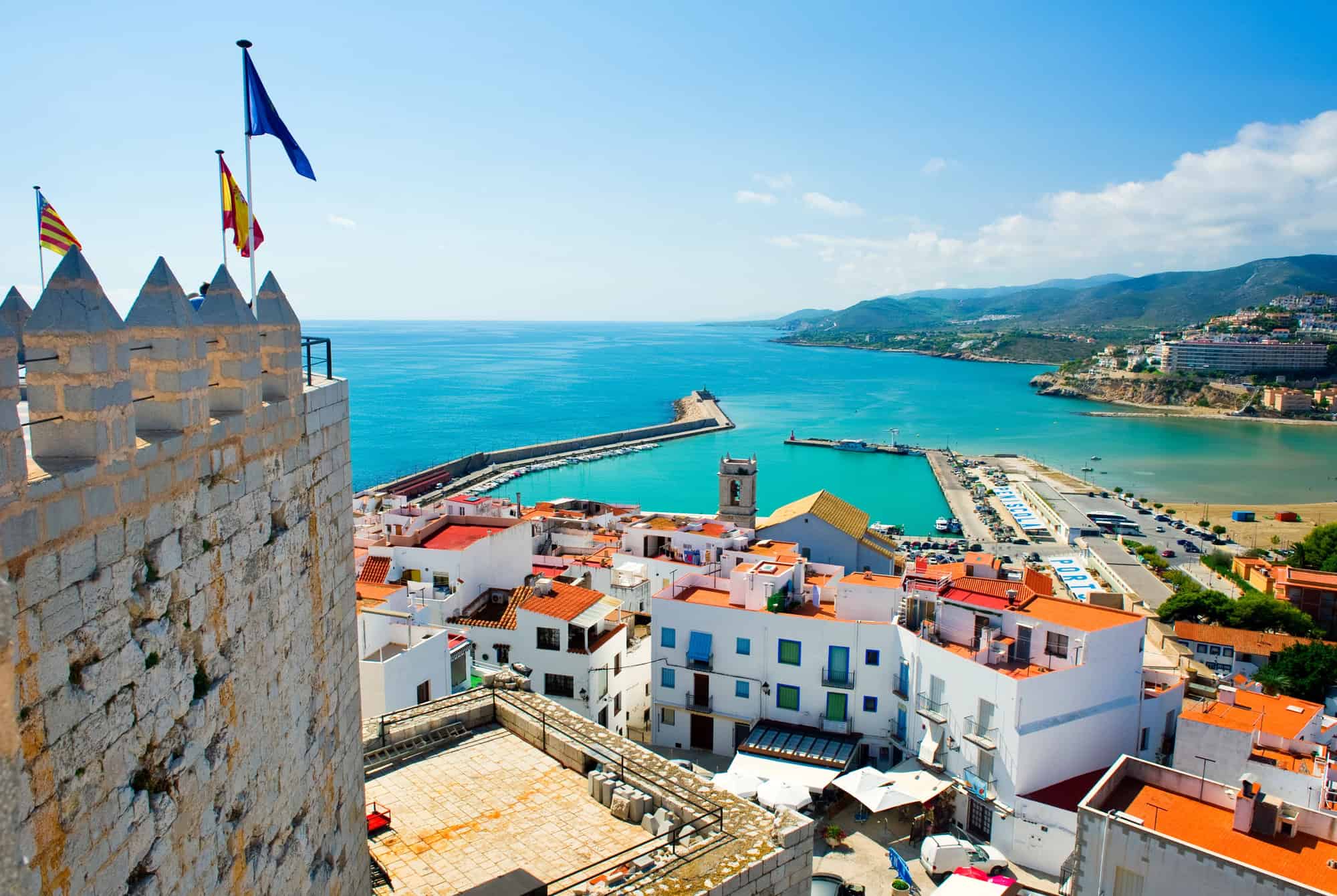
Not too shabby, eh?
Spain is one of the most attainable moves for Americans who want a high-quality lifestyle without drowning in bureaucracy.
The country offers both a non-lucrative visa (for retirees or those with passive income) and a new digital nomad visa that’s perfect for remote workers. The process is clear and the requirements are reasonable.
Barcelona, Madrid, and Valencia have huge expat communities. But smaller cities like Granada and Malaga offer a slower pace and lower costs.
Important: The digital nomad visa requires proof of income above €2,760/month, and applying from abroad can be paperwork-heavy. Also, Spanish bureaucracy can be a little slow; patience and a legal helper can go a long way in smoothing the process.
7. Belize
If you think moving to the Caribbean has to be complicated, think again.
Belize might just be the easiest island-style relocation for Americans, and yet, most people overlook it entirely.

Most people think you need to speak another language, but Belize’s official language is English.
Also, you won’t be buried in paperwork. Belize has one of the simplest residency programs in the region.
Americans can stay in Belize for up to 30 days at a time, and you can renew monthly for up to a year while applying for permanent residency, no work visa or sponsorship needed.
Add to that a low cost of living (outside the touristy islands, of course), and warm weather year-round.. you can’t get much better than that!
Inland towns like Corozal offer the same Caribbean charm without the higher price tag, and they’re full of long-term expats who are eager to help newcomers settle in.
Important: Monthly visa renewals require consistent fees and trips to immigration. Healthcare options are limited outside cities.
6. Costa Rica
This Central American favorite has earned its reputation for being expat-friendly and eco-conscious. And, of course, it’s easy to move to.
- Visa access: Americans get 90 days visa-free, so plenty of time to explore and decide if it’s a fit
- Residency options: Pensionado and Rentista visas are made for retirees and remote workers
- Healthcare: Excellent private and public systems, and way more affordable than the U.S.
- Lifestyle: Think jungle retreats and surf towns

You’ll find large expat hubs in places like Tamarindo, but the real magic is in exploring the less-touristy towns that offer even more charm and lower prices.
Important: Residency visas require monthly income proof and legal documentation. Rental prices in popular areas can be high.
5. Argentina
If you told someone you were moving to Argentina, they’d probably picture you dancing the tango in Buenos Aires and hiking in Patagonia.
What they won’t expect is how ridiculously easy it is to make that move happen.

Americans get 90 days of visa-free travel right off the bat, and extensions are common. After that, consider one of their many visa options for digital nomads or retirees.
You’ll love that Argentina has one of the lowest costs of living in the Western Hemisphere for foreigners earning in U.S. dollars.
Live comfortably in trendy neighborhoods like Palermo in Buenos Aires for a fraction of what you’d pay in any U.S. city.
And while Argentina does have some economic instability, that often works in favor of expats, making rent, dining out, and even healthcare far more affordable than most Americans are used to.
Important: Argentina has serious inflation and banking instability. Visa extensions may require local legal assistance and documentation in Spanish.
4. Ecuador
You don’t hear Ecuador topping “best places to move” lists nearly as often as you should, which honestly makes it even more appealing.
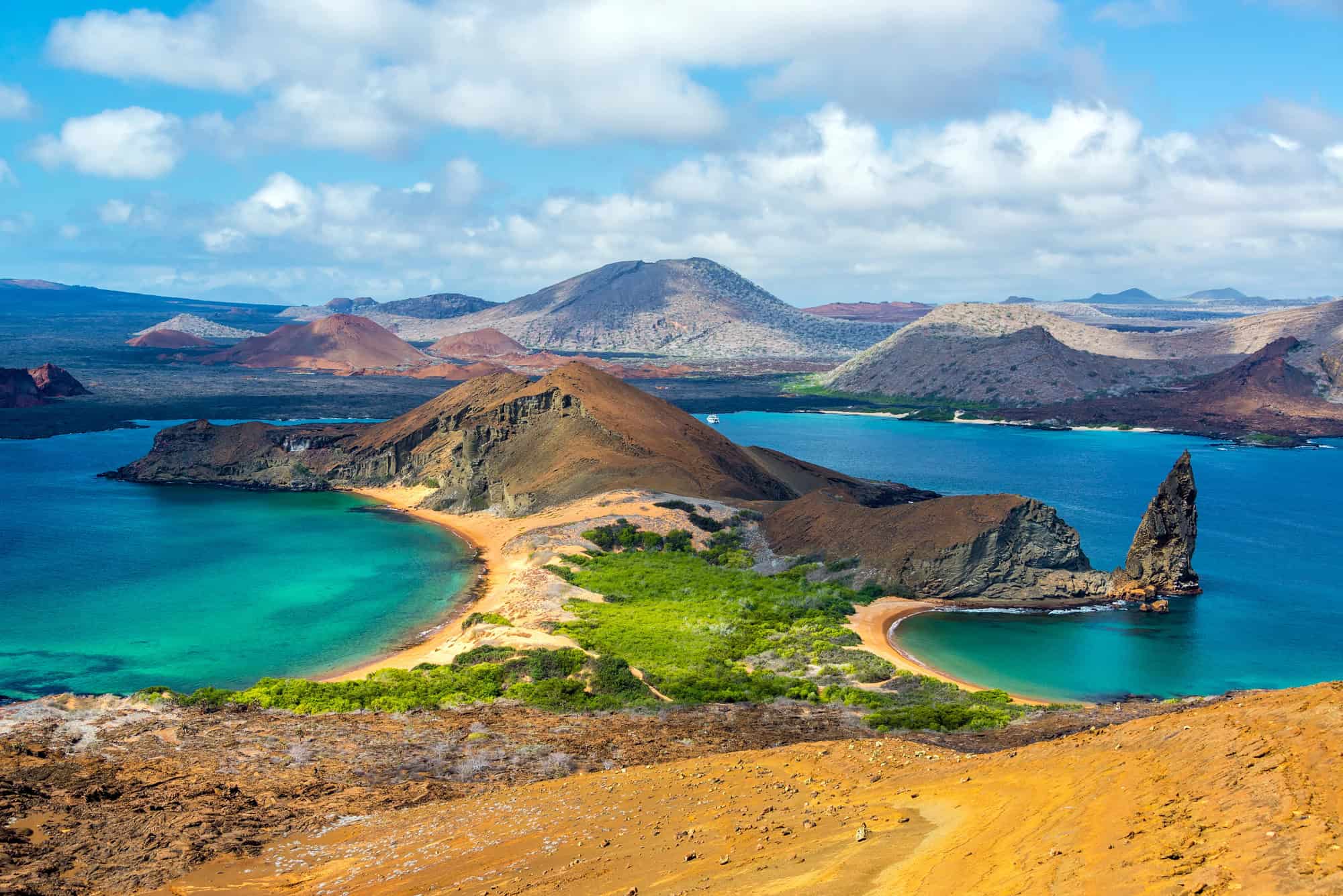
For Americans looking to relocate, Ecuador offers:
- Multiple visa options tailored to income levels and retirees
- Incredibly low cost of living (think: $2 lunches and $300 rent)
- Diverse landscapes and laid-back lifestyle
Ecuador’s retirement and income-based visas are some of the most accessible in South America.
And even if you just want to test the waters, the country offers 90-day tourist stays (extendable) with minimal red tape.
When we stayed in Quito for a month, we were floored by how easy everything felt. The locals were welcoming, the pace of life was slow in the best way, and the markets were incredible for our wallets and taste buds.
Important: Long-term residency still requires documentation and income proof. Healthcare quality varies by region and Spanish is needed in most non-tourist areas.
3. Thailand
Whether you want to teach English, work remotely from a beachside café, or just soak up life in a country where everything feels easier, Thailand is it.

I moved to Bangkok in 2014 to teach English and the process was pretty seamless. Plenty of schools were desperately hiring native English speakers, and you’ll make a great livable wage (for Thai standards).
You can start off on a tourist visa, or (like I did) get a job teaching English and slide right into the expat lifestyle with help from your employer.
The cost of living is insanely low, even in major cities like Bangkok or Chiang Mai. We’re talking $1-$2 street food, $300 apartment rental, and weekend trips to tropical islands that cost less than a dinner out in the U.S.
I always felt safe in Thailand. Even as a young solo female, and even when I would walk around at night in a major city.
Healthcare is affordable and excellent. I went to the ER in Bangkok and had the best care, and a very small medical bill.
And there’s no shortage of community, from Facebook housing groups to coworking spaces; it’s easy to plug in and find your people.
2. Portugal
Portugal isn’t just one of Europe’s most beautiful countries; it’s also one of the most welcoming for Americans looking to relocate.
Thanks to the D7 visa (ideal for remote workers and retirees) and the newer digital nomad visa, Americans can apply for long-term residency without needing to jump through endless hoops.

And once you’re in, you’re in the EU, with access to top-tier healthcare, beautiful coastal towns, and a laid-back pace of life that’s hard to beat.
Portugal’s smaller cities, such as Coimbra and Évora, offer incredibly affordable living, while hubs like Lisbon and Porto are popular with expats for their coworking scenes and cultural energy.
English is widely spoken, the food is phenomenal (especially if you like seafood), and the infrastructure makes it easy to settle in quickly.
Important: The D7 and D8 visas require proof of passive income or remote work above €3,200/month. Bureaucratic delays are common, and visa processing can be slow.
1. Mexico
If you want to move abroad without completely flipping your life upside down, Mexico is the obvious choice, and for good reason.
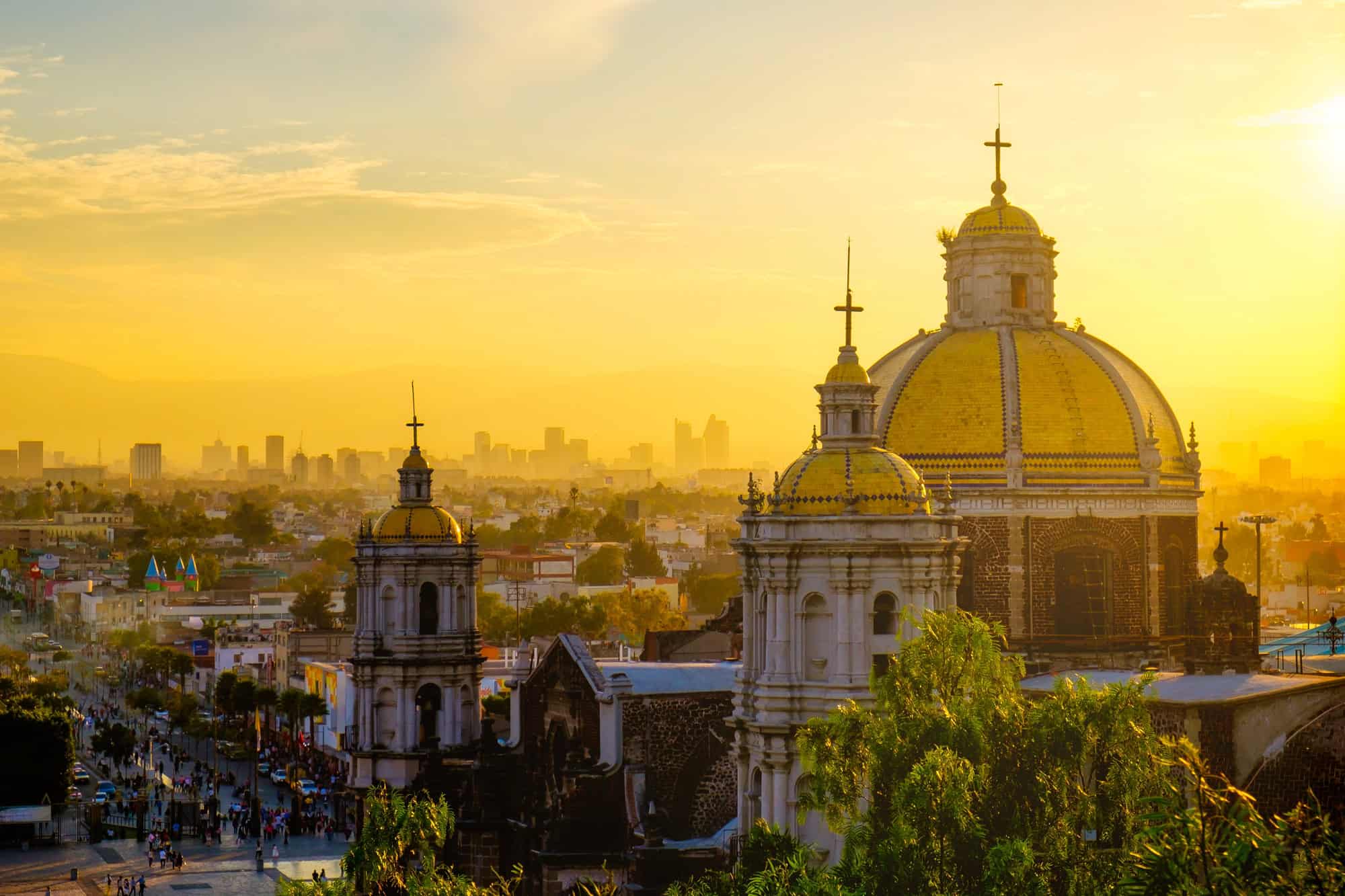
Why it’s so easy:
- 6-month visa-free stay
- Low cost of living
- Easy access to expat communities and resources
- Multiple paths to residency
Americans can stay up to 180 days visa-free, which gives you half a year to figure things out before committing to long-term residency.
I’m sure when most people hear “Mexico” they immediately think of Cancun and Playa Del Carmen. But I beg you to look deeper.
Whether you’re drawn to colorful cities like Oaxaca, beach towns like Sayulita, or highland gems like San Miguel de Allende, there’s no shortage of places where you can live.
It’s not just about proximity (although being able to fly home to the USA in a few hours is a huge plus). Mexico has a well-established expat community, amazing food, strong internet, and a lifestyle that feels laid-back.
Many Americans even live there full-time using a temporary residency visa, which is surprisingly easy to apply for once you’re settled in.
Important: Residency visas require proof of income or savings. Infrastructure and safety vary widely by region. Tourist visas do not provide a path to permanent residency.
The Wrap-Up: Most Accessible Countries for Americans Moving Abroad
For many Americans, moving abroad can feel like a far-off fantasy, something reserved for the ultra-wealthy, the brave, or the “lucky ones” who figured it all out.
But this list proves otherwise. Good luck!
