23 Things About Your Cruise Cabin You Should Inspect in the First 5 Minutes
Mike and Laura Travel contains affiliate links and is a member of the Amazon Services LLC Associates Program. If you make a purchase using one of our links, I may receive compensation at no extra cost to you.
Most cruisers step into their cabin, toss their bags on the bed, and head straight to the lido deck within ten minutes of boarding. Of course, we have absolutely done this, too.

But after years of cruising and hearing from other travelers who’ve dealt with everything from broken safes to disgusting bedbugs to toilets that stopped working mid-voyage, we’ve changed our boarding routine.
The first five minutes in your cabin are the most powerful five minutes of your entire cruise. That’s when you have the power to get a cabin change, request maintenance, or have something fixed.
By Day 2, customer service has a line out the door. Day 4, you’ve just accepted your situation.

These 23 things are all worth checking before you do anything else. Some are a little gross. Some are genuinely important for your safety.
1. Check for Bedbugs Before You Unpack
This is the one people roll their eyes at until it happens to them. Bedbugs have been documented on cruise ships, and embarkation day is exactly the kind of high-traffic, rapid-turnover situation where they spread.
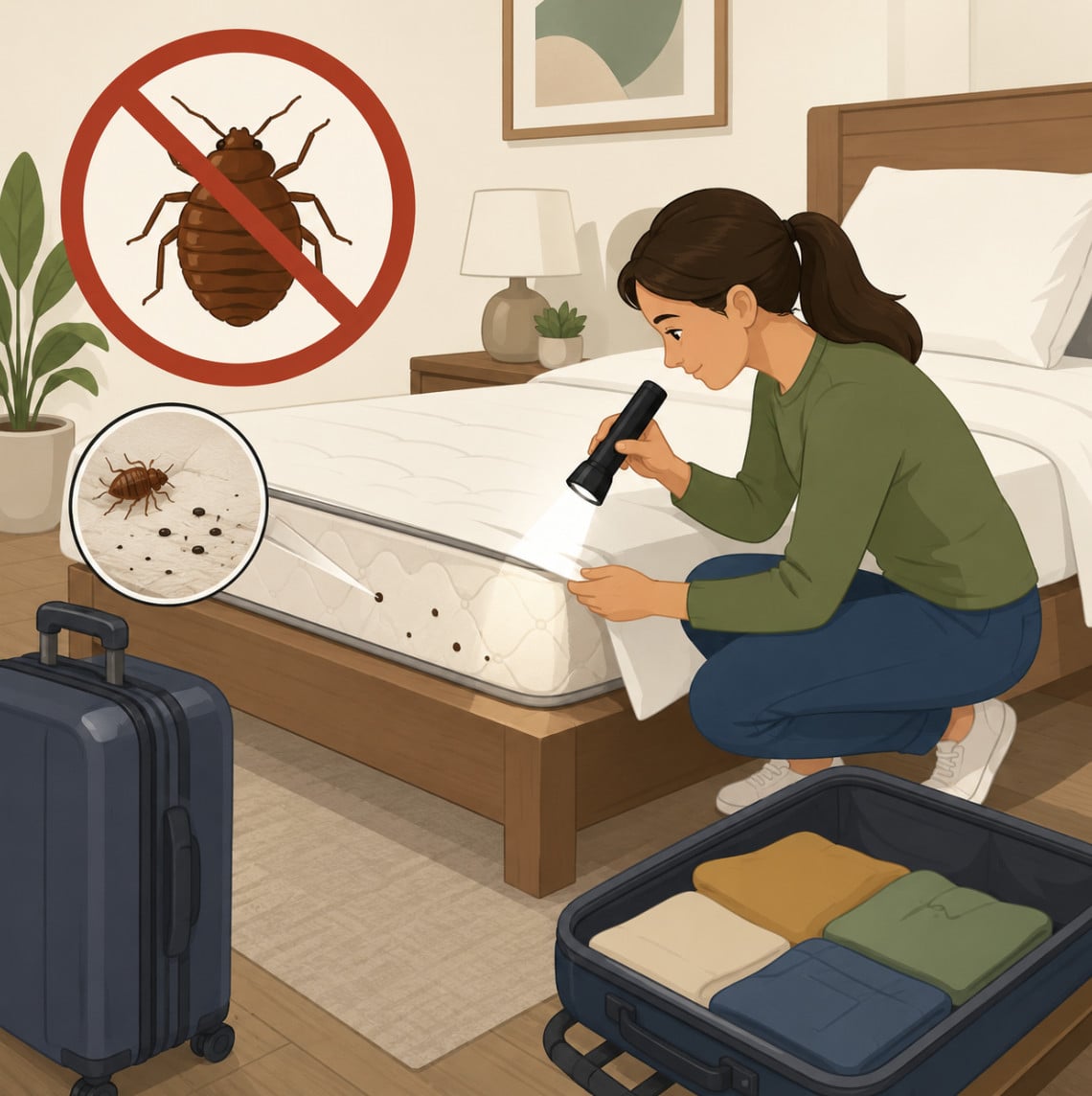
Pull back the sheets and inspect the mattress seams, especially at the corners and along the headboard. Look for tiny rust-colored spots or the bugs themselves. If there’s an upholstered headboard, check the crevices there too.
You don’t need to do a full forensic investigation. One minute is enough. If you see anything that concerns you, call the front desk before you unpack anything.
Pro-tip: After the one time we found bedbugs at a vacation rental, we never travel without the ESCOLITE UV Flashlight Black Light. It is small enough to toss in your toiletry bag and it works. It’s under $10 and genuinely useful in hotel rooms and rental cars too.

2. Test the Safe Before You Put Anything in It
Cruise ship safes malfunction more often than you’d expect, and discovering that your passport, cash, and phone are locked inside a broken safe while you’re docked in a foreign port is genuinely awful. I’ve heard this story enough times that it no longer surprises me.
Set a code. Open it. Set it again.
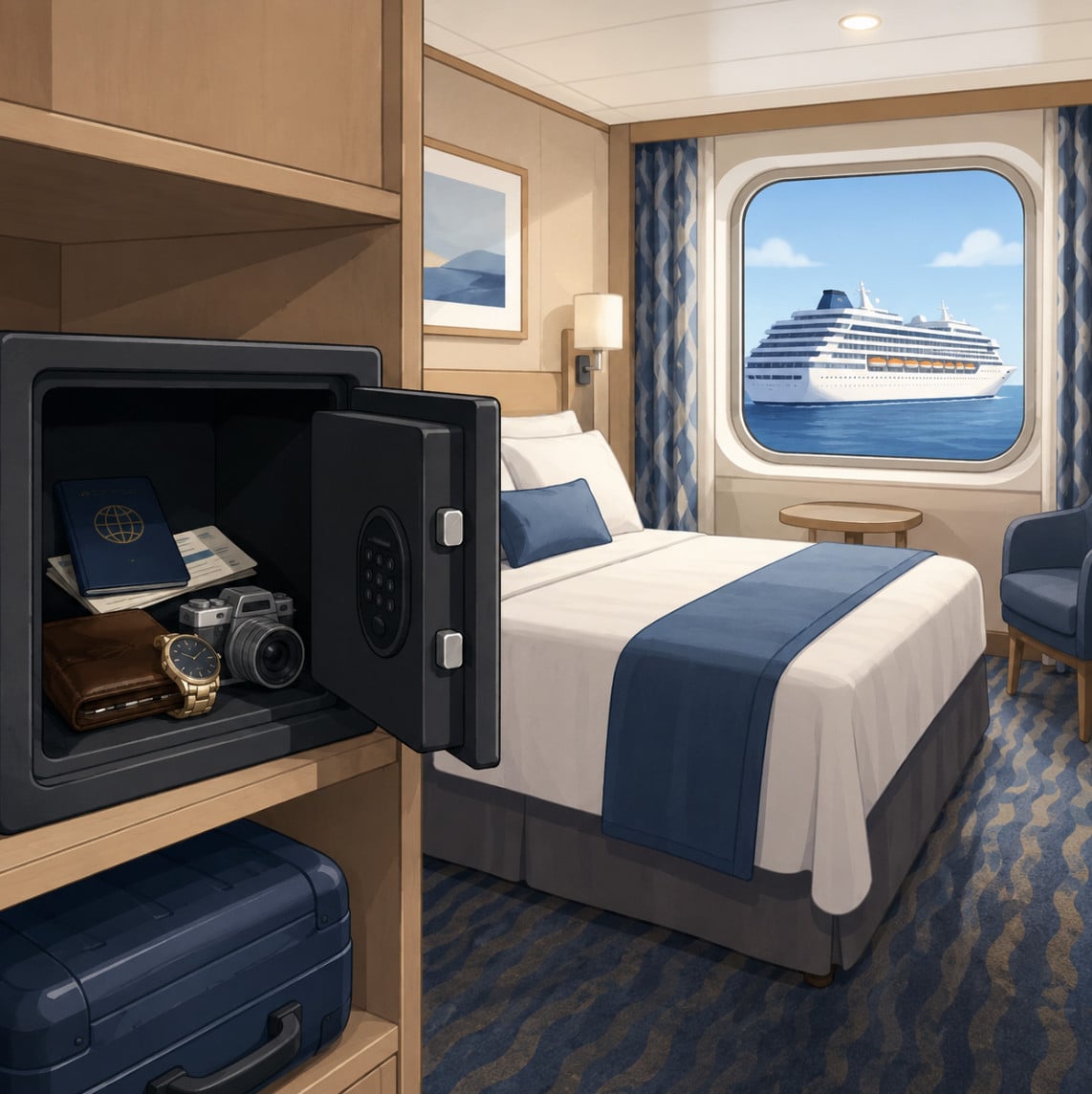
Open it again. Make sure it’s working before you trust it with anything that matters.
If the safe doesn’t work, you want to know this before your valuables are inside it.
Quick Cruise Tip: These are our favorite hooks; the strongest we’ve found so far!

3. Count the Life Jackets
Most people assume this has been handled. It usually has. But the SOLAS convention (the international maritime safety law that governs cruise ships) requires a life jacket for every passenger in every cabin, and it takes about thirty seconds to verify they’re there and accessible.

Make sure there’s one for each person in your group. If you’re traveling with kids, be aware that children need differently sized jackets.
Also check that you can reach them quickly. A life jacket buried behind luggage in the back of the closet isn’t serving its intended purpose.
4. Flush the Toilet Before You Need It
Cruise ships use vacuum toilet systems, similar to what you’d find on an airplane. These systems fail. It’s not rare, and entire cruise forums have threads dedicated to passengers who dealt with broken toilets for multiple days while the ship worked to locate a repair.
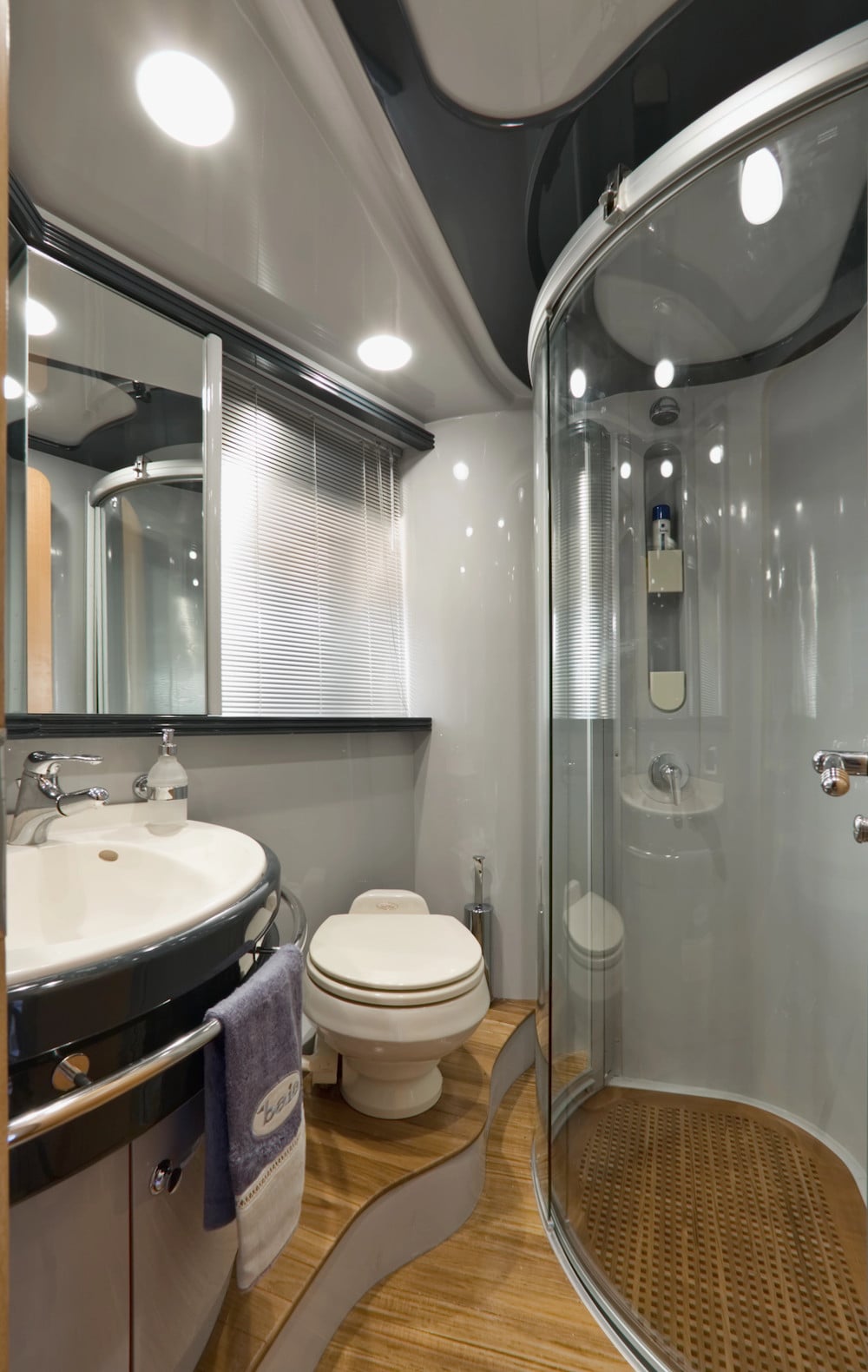
Flush it on arrival. If there’s a problem, you want to find out while you still have the energy and patience to deal with it. Not at 2am after a long day in port.
5. Look at the Ice Bucket
The plastic liner inside the ice bucket gets swapped between guests. The bucket itself is usually not washed between sailings.
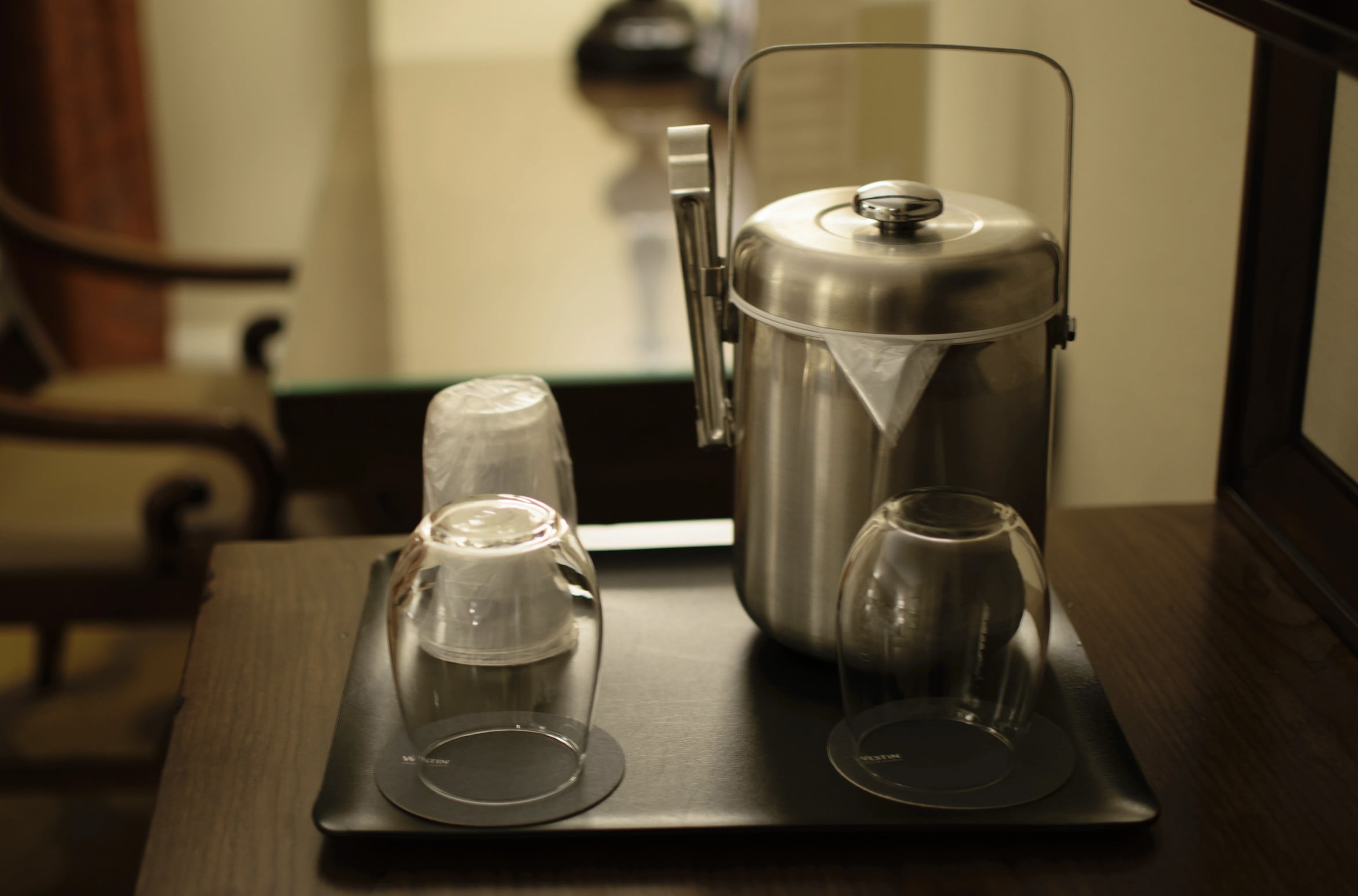
Research on hotel room hygiene consistently finds ice buckets among the least-sanitized items in the room, and cruise cabin cleaning tends to follow similar protocols. If you plan to put ice in that bucket and use it around drinks, give it a quick rinse in the sink first.
6. Pick Up the TV Remote
Multiple studies on hotel room hygiene have found TV remotes consistently testing among the highest surfaces for bacterial contamination, in some cases higher than toilet handles. Cruise cabin remotes get handled by every guest and aren’t always disinfected between sailings.

A disinfecting wipe takes about ten seconds to fix this. The bigger point is that there’s a whole category of surfaces in cruise cabins that look fine but aren’t, and the remote is one of the most well-documented examples.
Quick Cruise Tip: If you decide on an interior room, grab a pack of nightlights on Amazon. Or just leave the bathroom light on with the door cracked. Either way, handle it before day one or you’ll be stubbing your toe into furniture at 2am.

7. Check for Mold in the Bathroom
Honestly, this one bothers me more than the bedbug check, because it’s so much more common. Cruise ship bathrooms are small, enclosed, and constantly dealing with heat and moisture. Mold and mildew are genuinely frequent complaints, especially on older ships.
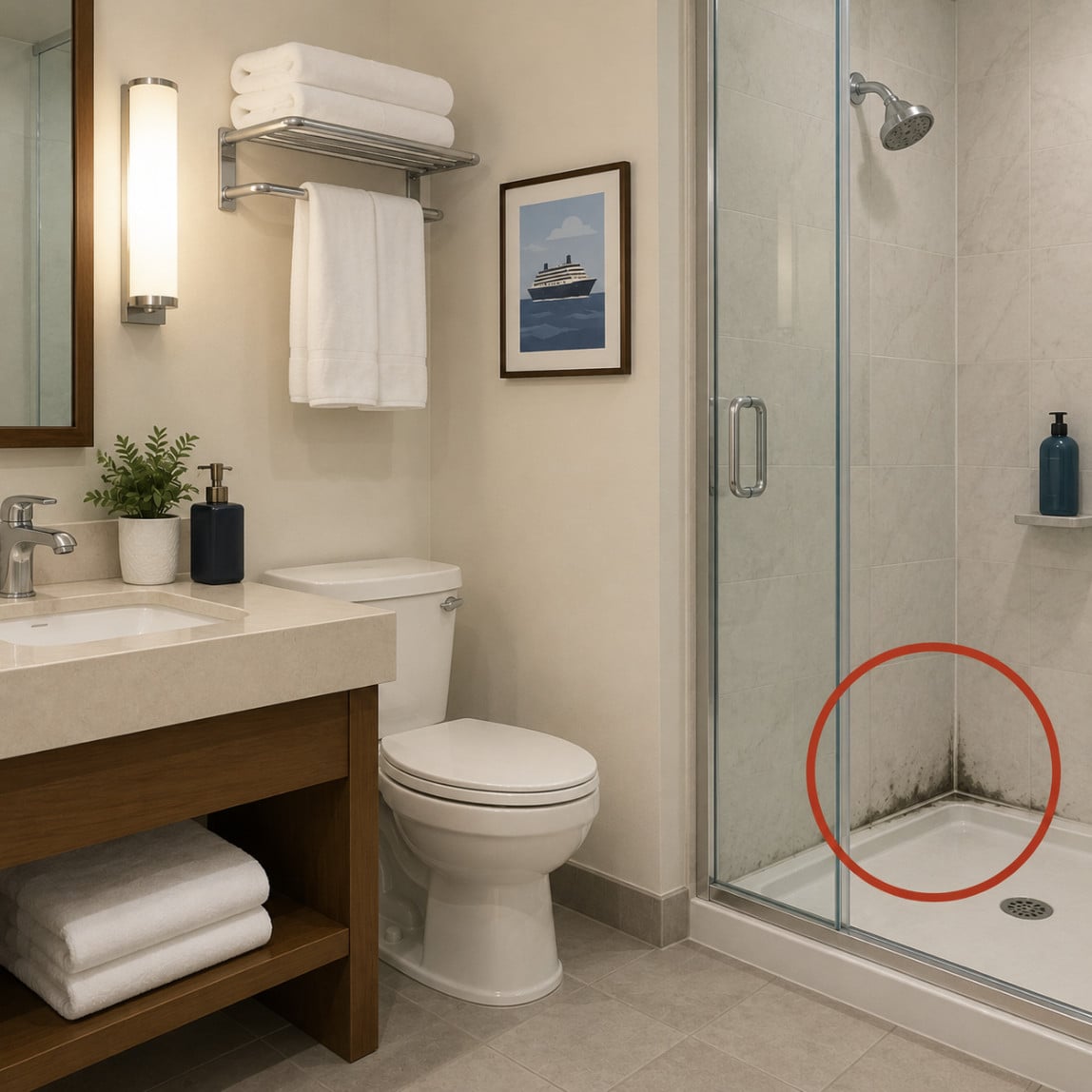
Check the grout lines, the ceiling corners, around the showerhead fitting, and behind the toilet. A little mildew on grout is annoying but manageable. Black mold on the ceiling is a different conversation.
If you or anyone in your cabin has respiratory sensitivities, this inspection can change your situation. Report anything significant and ask what can be done about it.
8. Test the Thermostat and Call Right Away If It Doesn’t Work
This is one of the most frustrating cruise cabin problems because it affects your sleep every single night of the voyage.
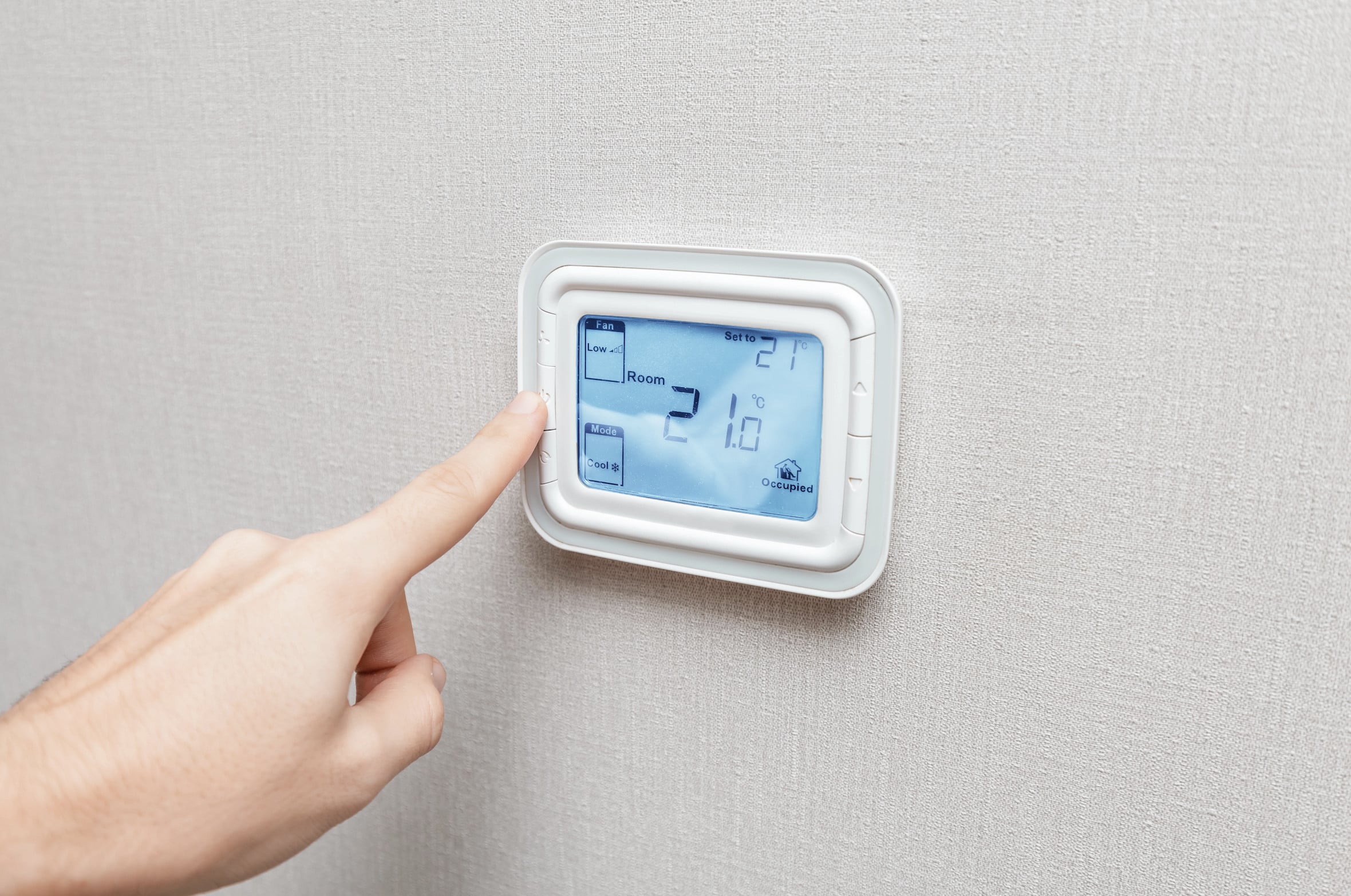
Many cruise ships have HVAC systems that are centrally controlled, and the thermostat in your cabin adjusts within a limited range. On some older ships, the thermostat barely does anything. Turn it all the way up, then all the way down, and pay attention to whether the room changes at all.
If it’s not responding, call the front desk on embarkation day while maintenance teams are still actively working cabins. Don’t wait until you’ve had two bad nights of sleep to bring it up.
PSSST! NEED HELP BOOKING YOUR TRIP?
Planning a trip isn’t always the fun part 😉 If you’d rather have a travel expert handle the details, let us help!
We’ve been traveling full-time since 2014 and can help you book your trip for free.
9. Check the Balcony Door Latch
This one matters more than people realize. Balcony incidents on cruise ships are a documented and serious safety issue, and a door that doesn’t latch and lock securely is part of that risk picture.
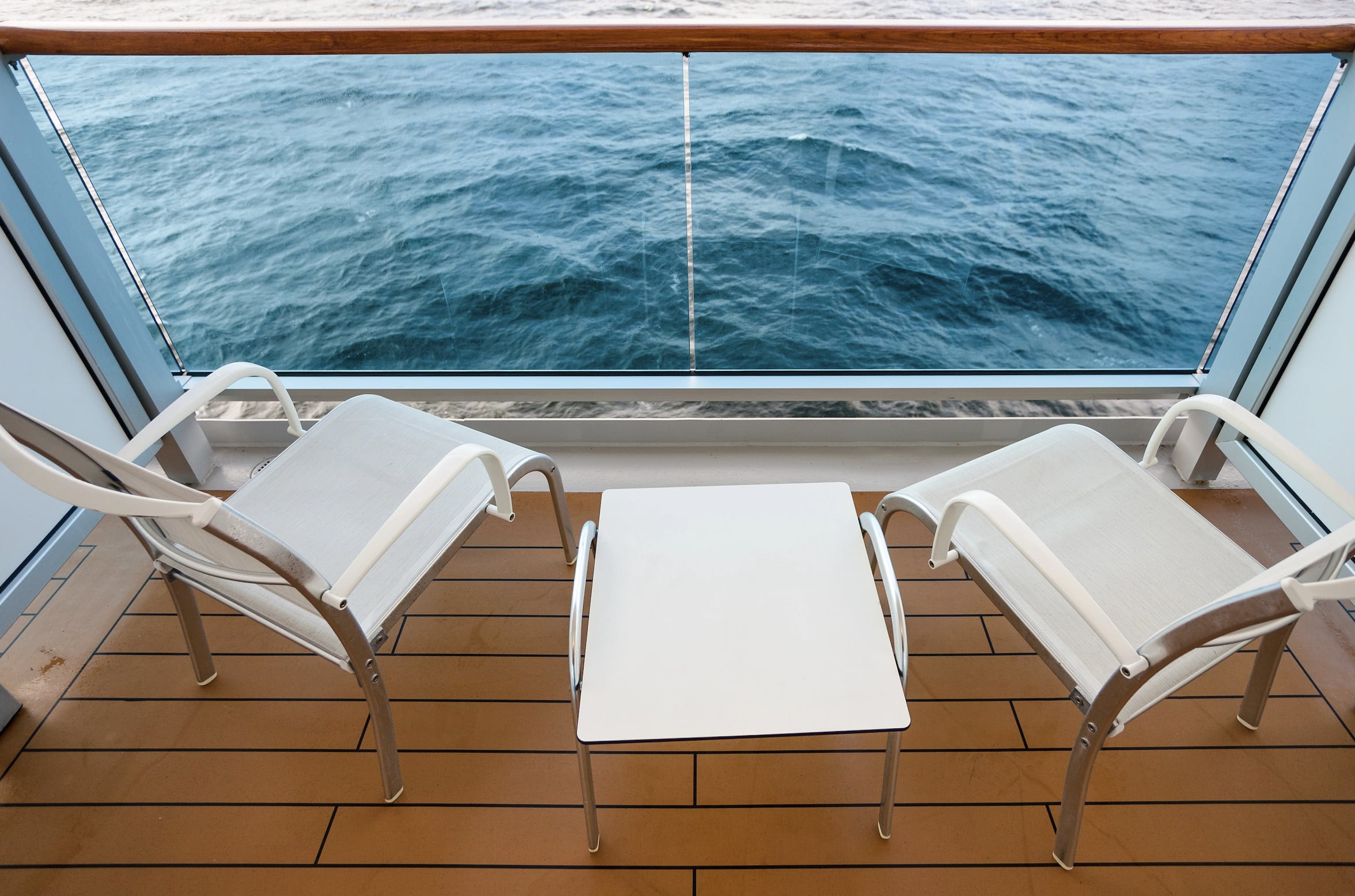
Test the latch. Make sure it engages completely when you close the door and that it locks from the inside.
If you’re traveling with young children, this is non-negotiable. A balcony door that looks closed but isn’t fully secured needs to be reported and fixed on Day 1.
📌 Read Next: Cruise Lines For Families, Ranked
10. Look for Water Stains on the Ceiling and Walls
Water stains tell a story about past flooding or leaks. Cabins directly below pool decks, near plumbing access points, or in older sections of the ship are more prone to water intrusion. Staining that hasn’t been fully addressed means the problem could recur.
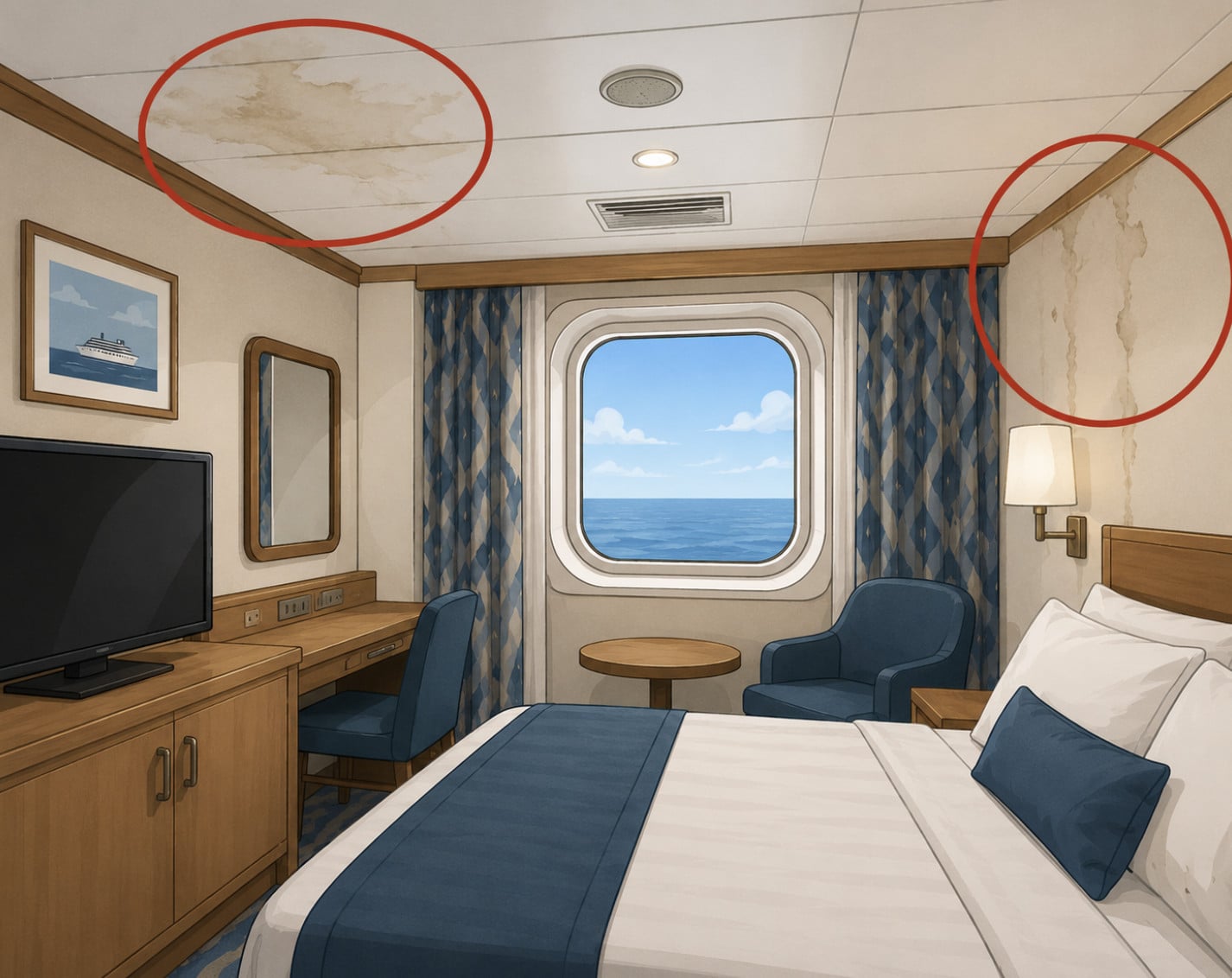
If you see brown or yellowish staining on the ceiling or walls, photograph it and let the front desk know. This protects you if something happens during your sailing and puts the ship on notice about an ongoing maintenance issue.
Quick Cruise Tip: Grab these clear plastic sleeve lanyards before your cruise. You’ll be happy you did!

>> Click here to grab your lanyards
11. Notice the Smell the Second You Walk In
Your nose is giving you information. Walk in, take a breath, and pay attention.
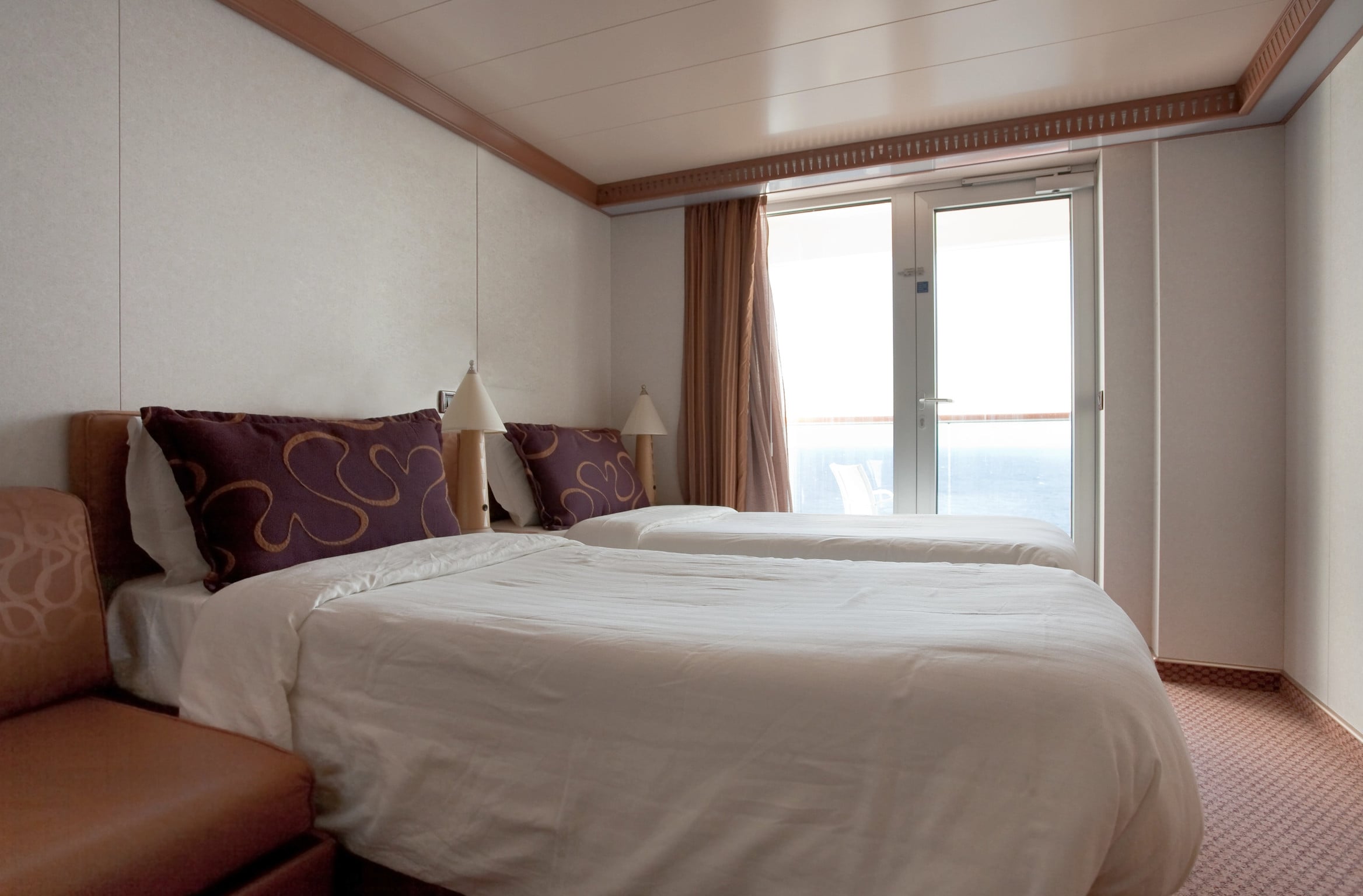
A musty or mildewy smell points to moisture problems. A faint rotten-egg quality can indicate plumbing issues the ship is managing in that section of the vessel. Cigarette smoke soaked into upholstery means a previous guest smoked in a non-smoking cabin.
All of these can be addressed on embarkation day. They’re considerably harder to deal with once the ship is at sea and every cabin is occupied.
📌 Read More: How To Thousands of Dollars On Travel (so you can travel more!)
12. Verify Your Cabin Number Matches Your Key Card
With several thousand passengers boarding the same ship on the same day, administrative mix-ups happen. A key card assigned to the wrong cabin number can cause problems with charging privileges and cabin access at the worst possible moments mid-voyage.

Check your card against your booking confirmation. It takes fifteen seconds and can prevent a surprisingly annoying headache later.
13. Document Any Existing Damage
Treat this exactly like picking up a rental car. Look at the carpet for stains, the walls for damage, the furniture for anything broken or scratched.

Take photos before you unpack. Timestamped photos are your protection if anyone asks about damage at the end of the voyage that was already there when you arrived. Most cruise lines aren’t trying to charge you for pre-existing damage, but having documentation costs you nothing and protects you.
14. Find Your Muster Station Card and Read It
Post-COVID, most major cruise lines moved to “eMuster” (watching a safety video on your cabin TV instead of a physical drill).
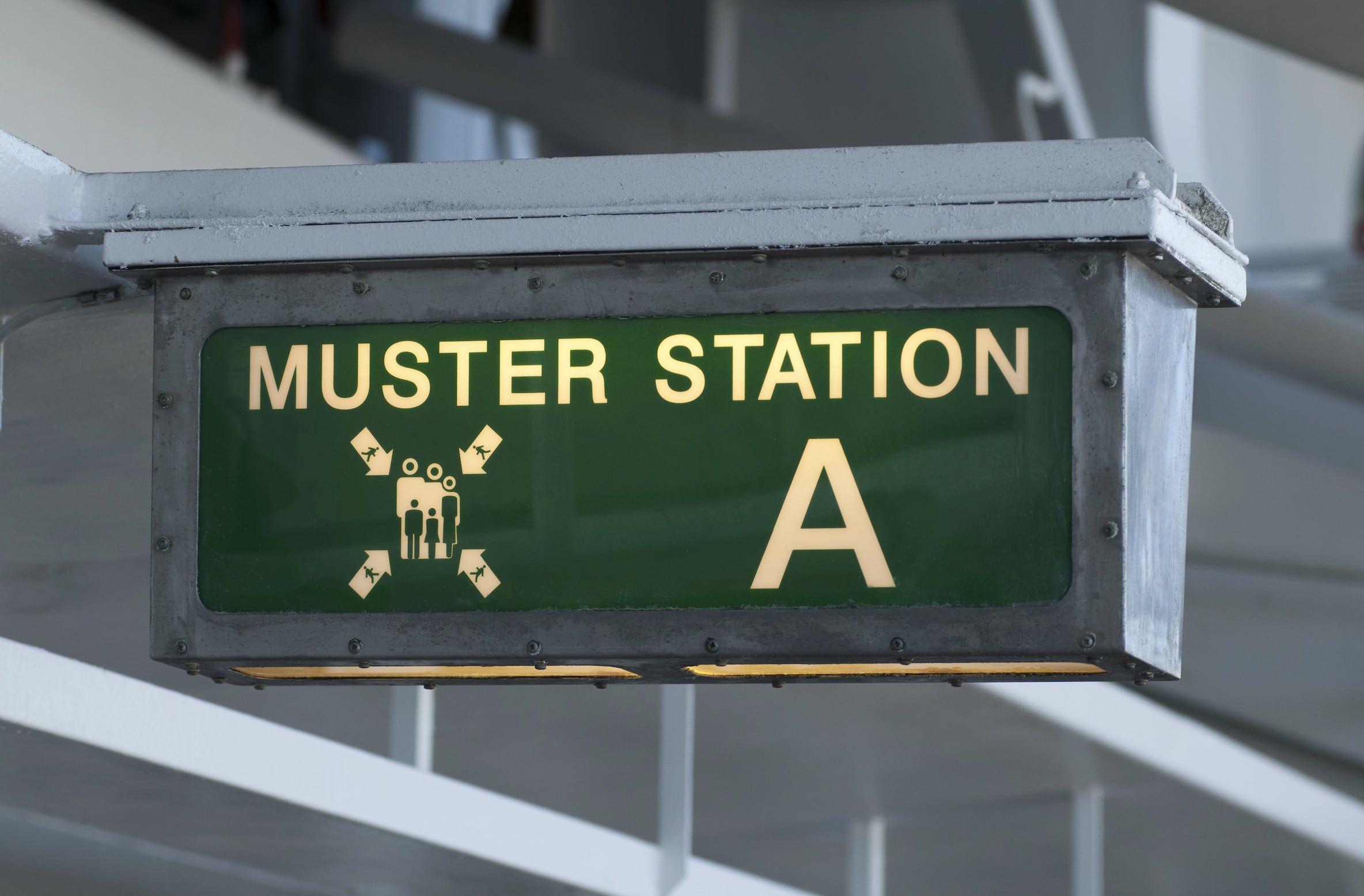
Mike and I are honestly fans of this change. But your muster station assignment is still specific to your cabin, and in an actual emergency you need to know where to go without having to figure it out under pressure.
The card is usually on the nightstand or in the welcome packet. Read it right away. It tells you which lifeboat station you’re assigned to and how to get there from your cabin.
15. Test the In-Room Phone
In a medical emergency on a ship, you need to reach the medical center and the front desk fast. Don’t assume the phone is working just because it’s sitting there on the nightstand.
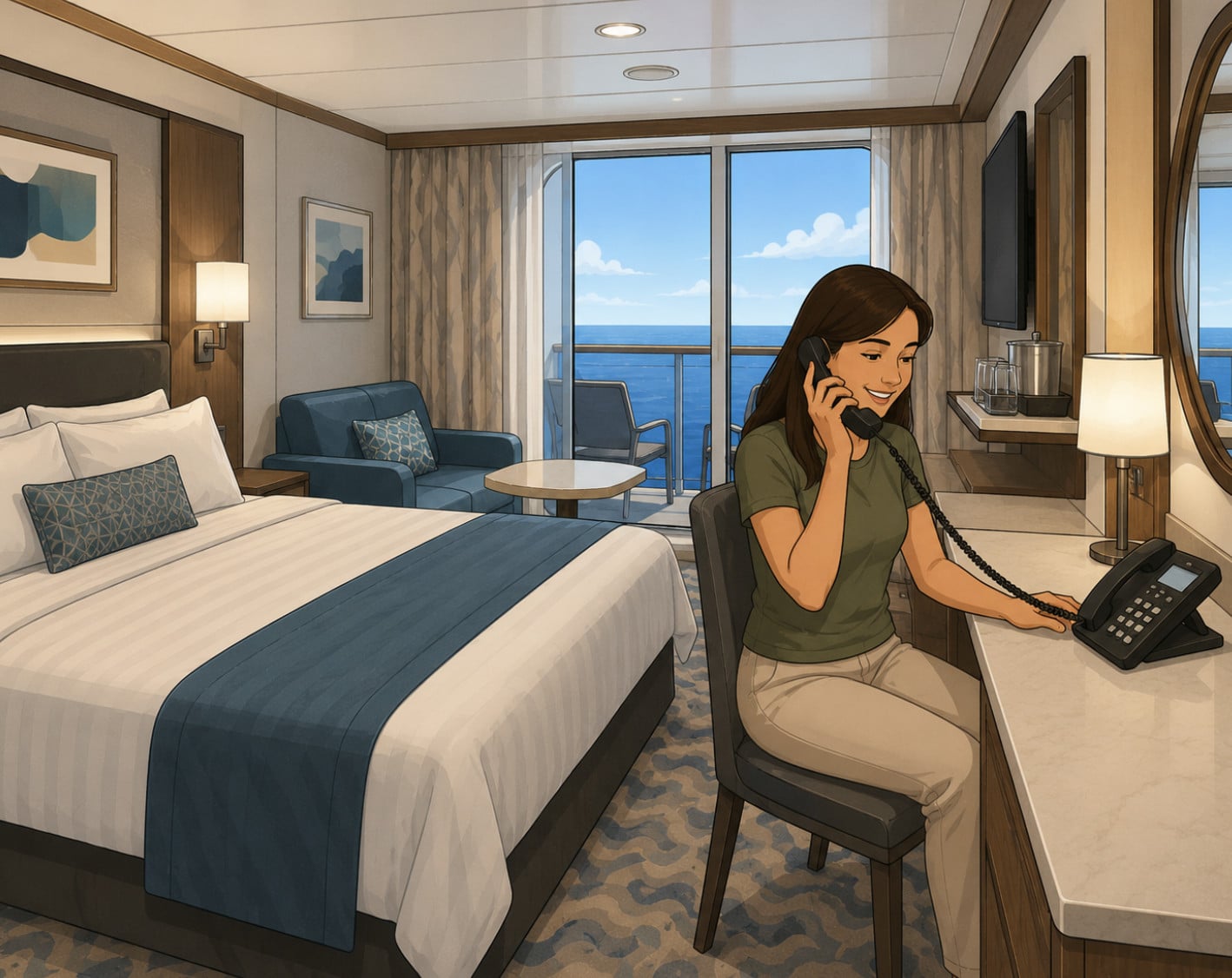
Pick it up and check for a dial tone. Most ships list the emergency numbers on a card near the phone or printed directly on the handset. Make a mental note of them while you’re at it.
This is a thirty-second check, and you’ll be glad you did it if you ever need it.
Quick Cruise Tip: Grab some motion sickness patches here, and throw in some Dramamine, too.
16. Check That the Smoke Detector Has an Indicator Light
Fires on cruise ships are a real and documented danger. In March 2006, a fire on the Star Princess killed one passenger and injured several others after a lit cigarette on a balcony ignited furniture and spread rapidly through that deck. Other cruise ship fires over the years have had serious consequences.
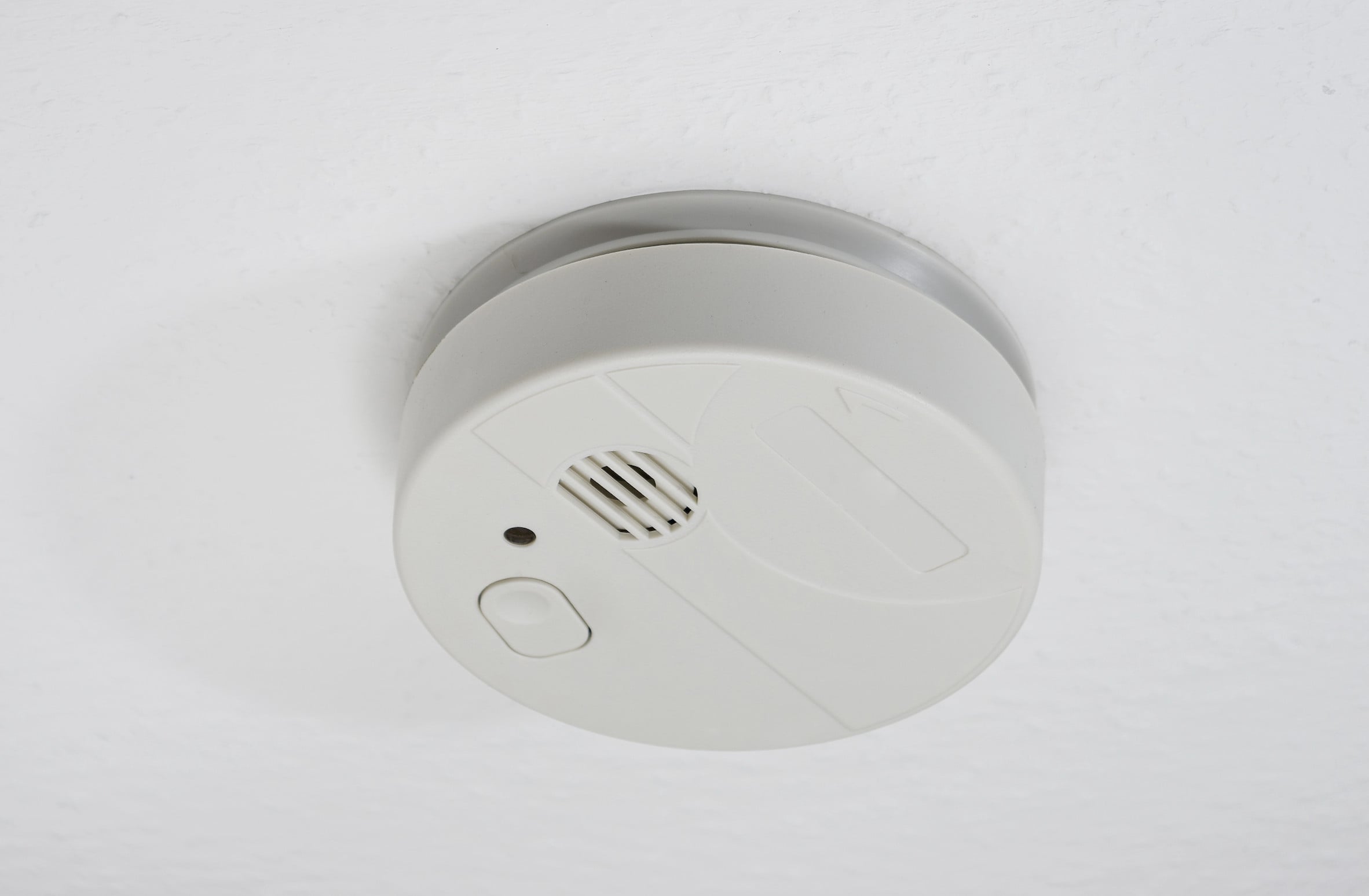
Your cabin smoke detector should have a small indicator light showing it’s active and receiving power. If the light isn’t visible or isn’t lit, the detector may not be functioning.
Report a potentially non-functioning smoke detector immediately.
17. Open the Minibar and Figure Out What’s Chargeable
This varies a lot by cruise line, and knowing the answer on as soon as you get to your room is important. On some lines, minibar items are included in your fare or your beverage package.
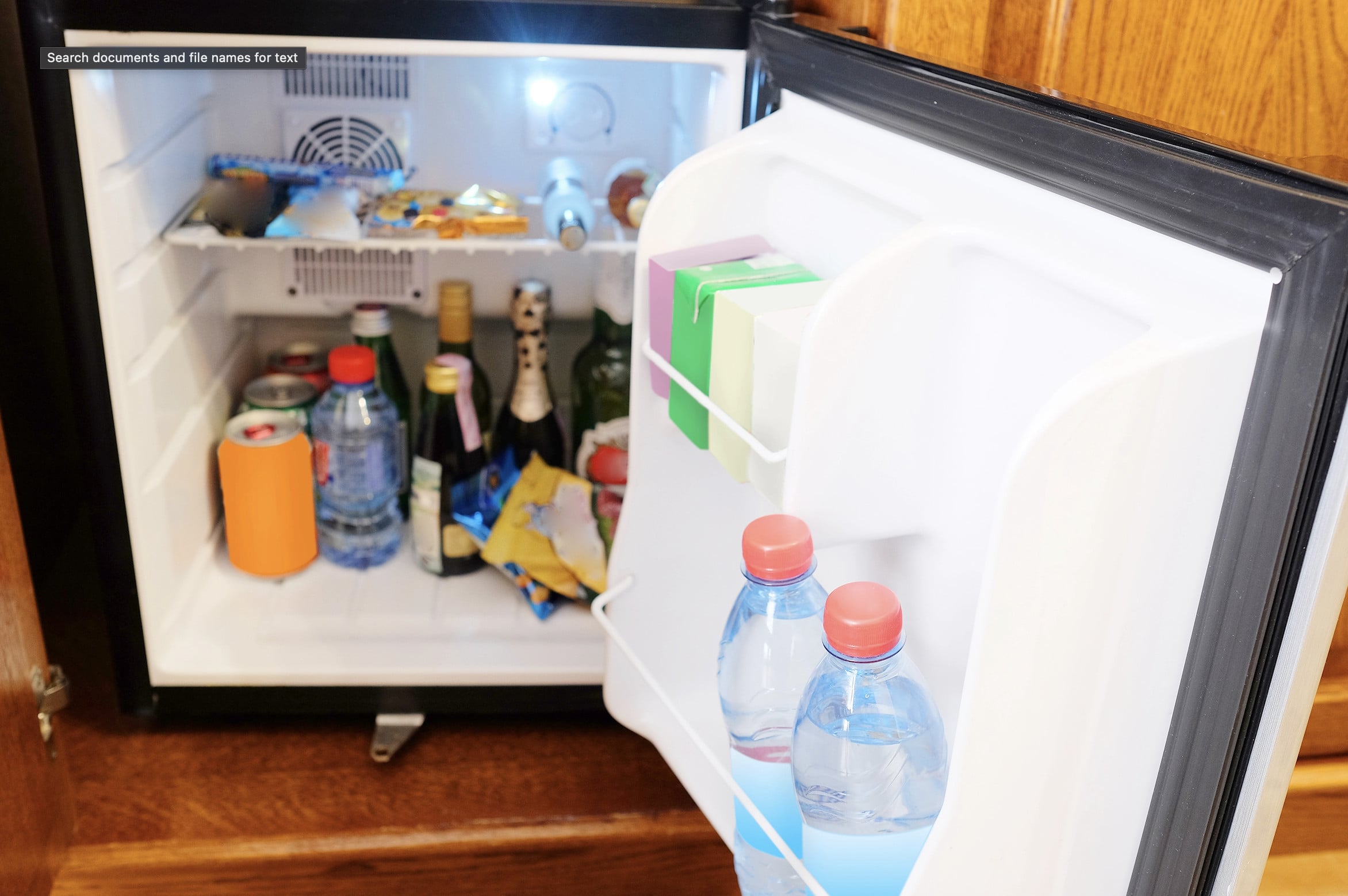
On others, items are charged individually the moment they’re moved or consumed. On some ships, the mini fridge comes pre-stocked whether you asked for it or not.
If you don’t want to be charged for something a kid opened out of curiosity, get clarity at the front desk on embarkation day. Minibar charge disputes at the end of a sailing are more common than cruise lines would probably like to admit.
18. Take Stock of the Outlet Situation
Cruise ships are notoriously stingy with outlets, and the setup varies a lot depending on the ship’s age and the cruise line. Some older ships have a single North American outlet and a shaving socket in the bathroom.
Some European-flagged ships use different plug configurations that won’t fit your adapters. Newer ships tend to have USB ports built into the nightstand, but older ships often don’t.

Figure this out on Day 1 so you can plan accordingly. Guest services sometimes has multi-outlet adapters available, and knowing your situation early means you’re not scrambling for a charging solution on Day 3.
One note: most major cruise lines prohibit power strips with surge protectors. If you bring one, it may get confiscated at the security checkpoint.
Here’s our favorite recommendation to get before your trip: Anker Zolo USB C Charger Block

19. Test the Curtains While It’s Still Daytime
This sounds minor until you’re exhausted after a long port day and you realize your curtains let in the full glare of the ship’s exterior deck lighting at midnight, or the sunrise starts pulling you out of sleep at 5:30am.

Pull the curtains completely closed and see how much light gets through while it’s still bright out. Cruise ship curtains, especially in porthole cabins, don’t always block light completely.
If there’s a significant gap, a request to your room steward for extra fabric or some binder clips can help. Good sleep makes or breaks a cruise for a lot of people, and this is an easy fix if you catch it early.
20. Look Under and Behind the Bed
Previous guests leave things behind. Items slide under the bed and don’t always get found during the cabin turnover, especially in the far corners. This happens more often than cruise lines would like, and it’s documented regularly in cruise forums.
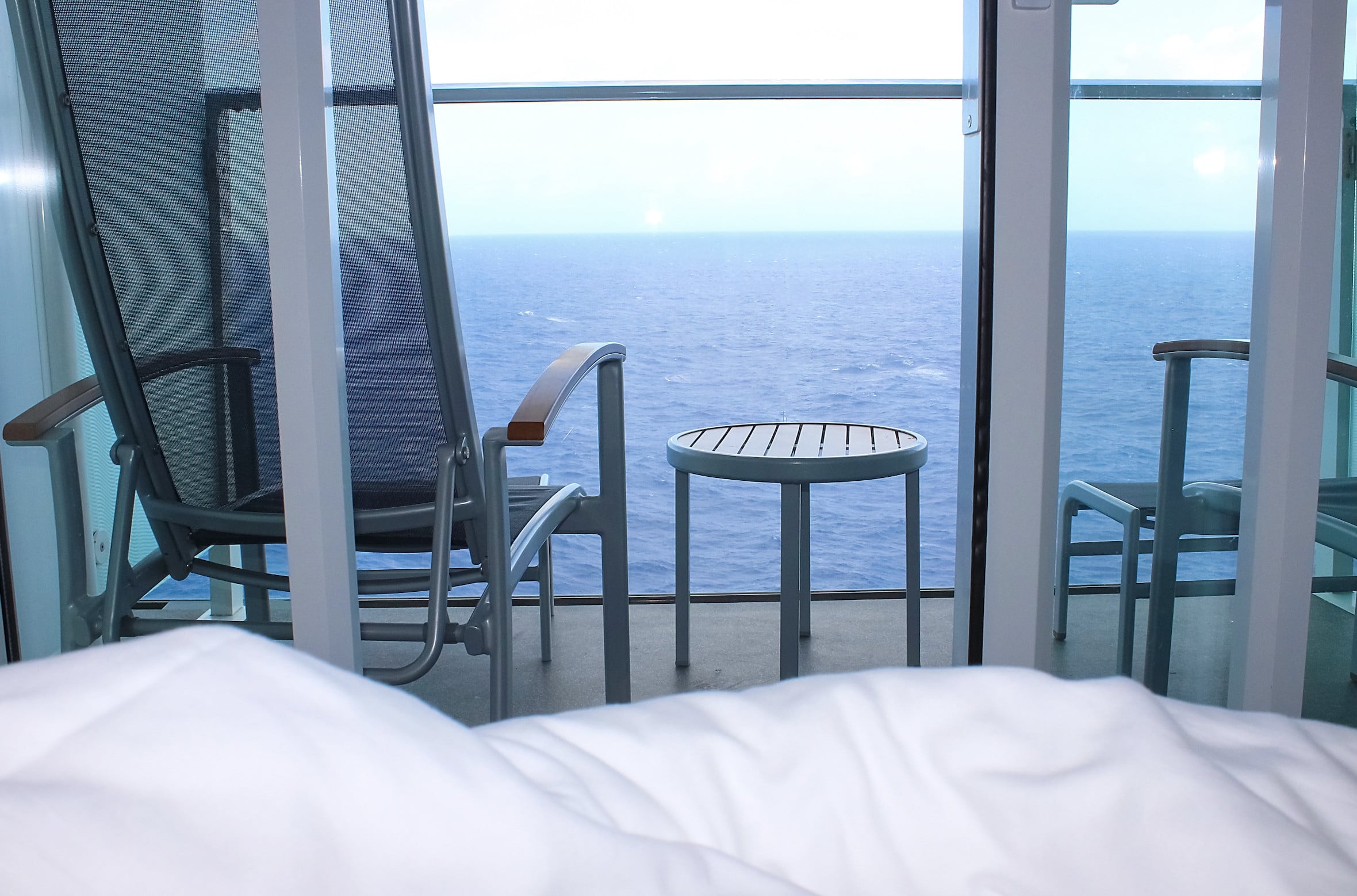
Get down and look before your trip is fully underway. If there’s anything back there from a previous occupant, you want to know that now rather than three days in. And if the under-bed area is dusty or clearly hasn’t been vacuumed properly, that’s worth mentioning to your room steward.
21. Run the Shower and Check the Water
Turn on the shower and let it run for a full minute before you use it for the first time. Check that the hot water comes up and that the pressure feels adequate.
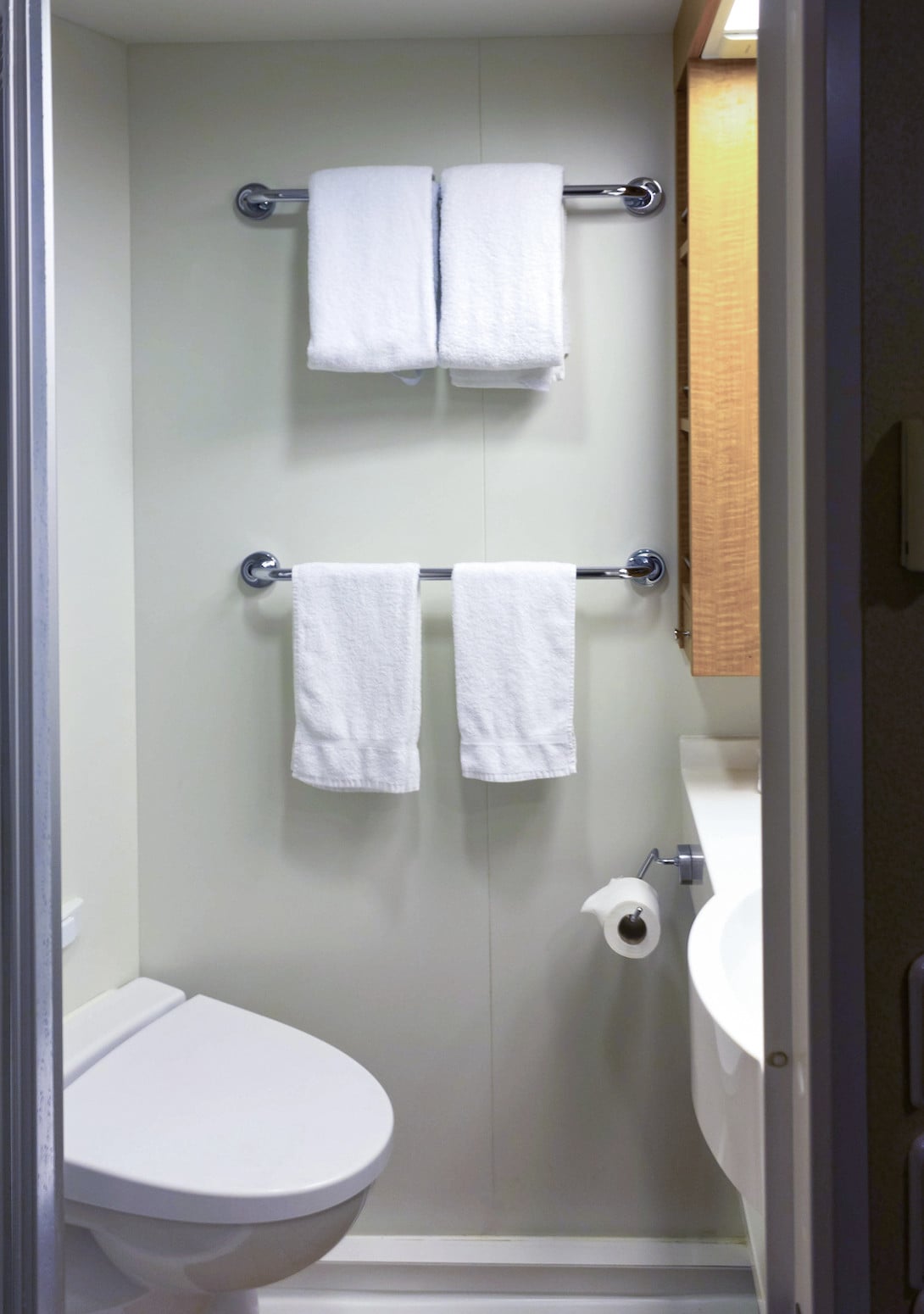
Cabins at the far end of the ship’s water distribution system can have temperature or pressure issues, and some guests spend an entire voyage dealing with lukewarm showers without realizing it’s something that could have been fixed. Finding this out on the first day, when you’re not rushing to get ready for a port stop, is so much better than discovering it later.
22. Inspect the Balcony Furniture Before You Sit Down
Balcony chairs and tables on cruise ships get heavy, constant use. They’re out in the salt air on every single sailing, and they don’t always get the maintenance they need between voyages.
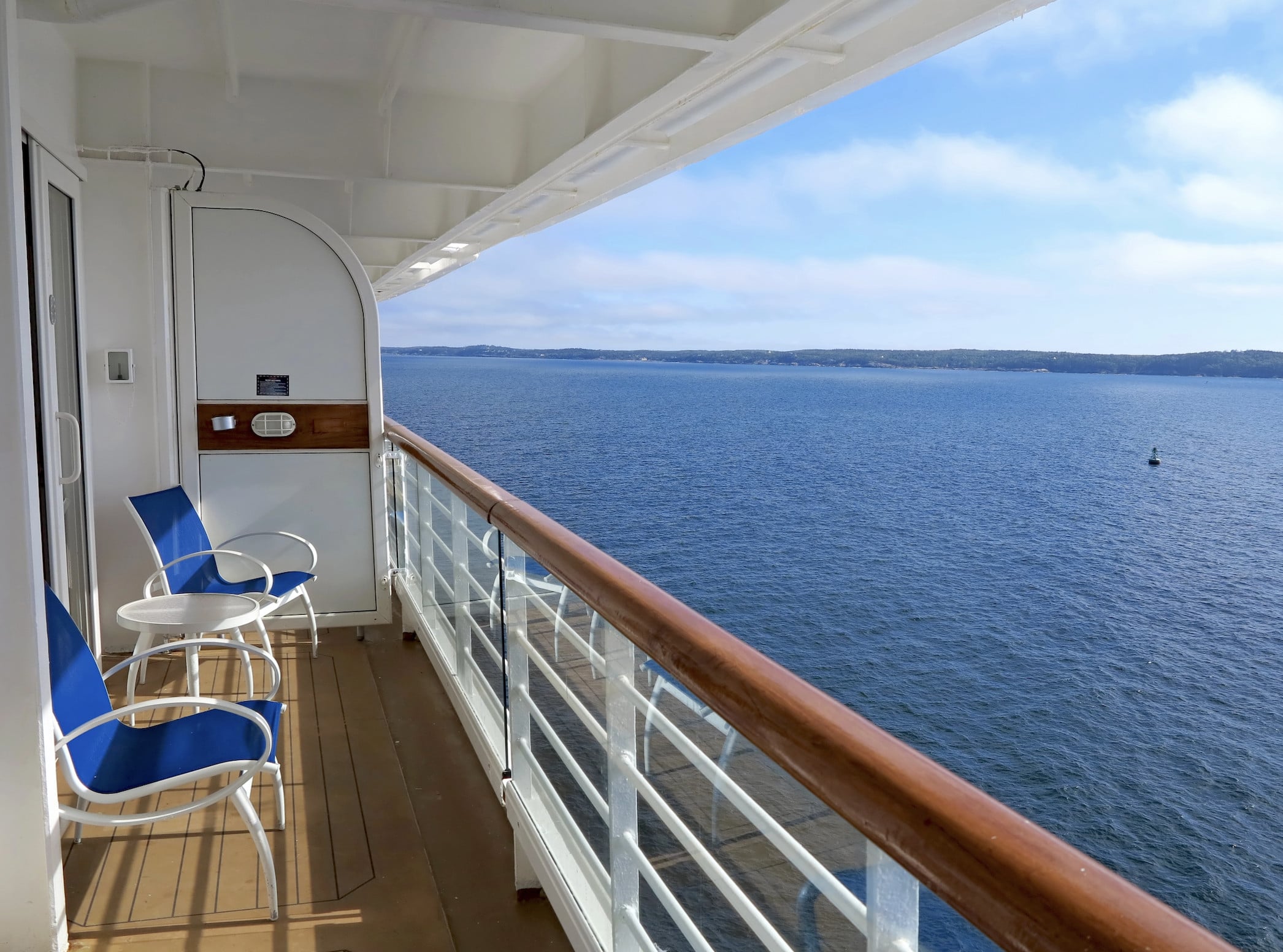
Before you sit down in that balcony chair with your morning coffee, give it a quick once-over. Look for cracked plastic, loose fittings, or anything that wobbles when you push on it.
A wobbly chair on a patio is annoying. A wobbly chair positioned next to a railing on a moving ship is a different situation.
If something looks structurally questionable, don’t use it and let your room steward know.
23. Listen for Noise From Your Cabin’s Location
This is the one people wish they’d figured out sooner. Cabins near elevator banks hear constant dinging and door noise all day and all night.
Cabins directly above the anchor chain locker (typically in the bow of the ship on lower decks) experience an incredibly loud rumbling every time the ship drops anchor in port. Cabins near the engine room can have a steady low vibration that never fully goes away.
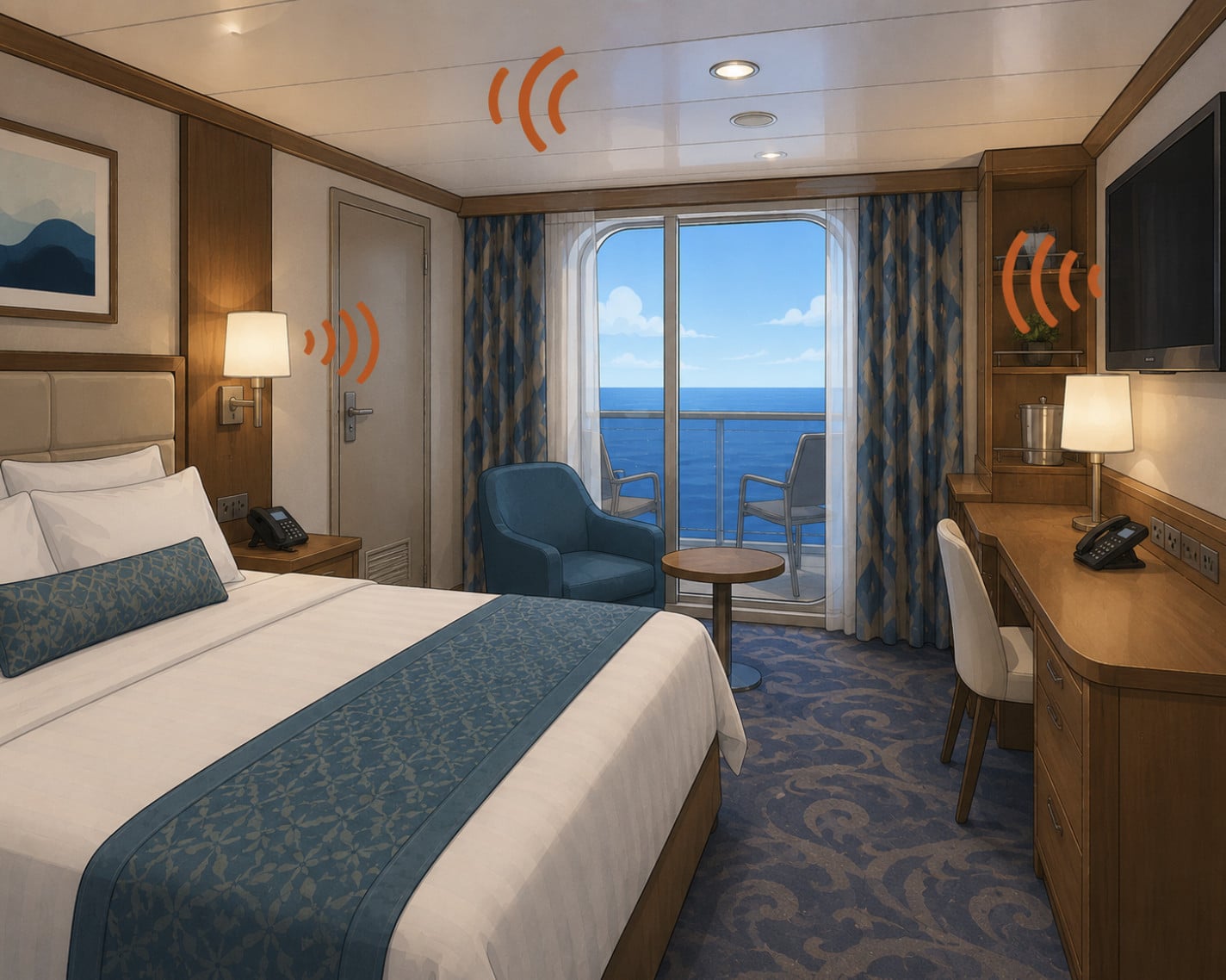
Walk out into your corridor and listen for a minute. If you’re on a port-heavy itinerary and you’re in a bow cabin on a lower deck, that anchor noise will be significant every single time the ship arrives.
Embarkation day is your best window to request a cabin change if the situation is bad. After that, your options shrink fast.
The Wrap-Up
None of this is meant to stress you out before your cruise. The vast majority of these things will check out just fine, and a thorough walk-through of your cabin takes maybe five to ten minutes.
The point is that the ones that don’t check out are so much easier to address on embarkation day. The ship is still docked, maintenance crews are in active mode, and the front desk isn’t slammed yet. Your ability to get a fix or a cabin change is as high as it will ever be.
Then go find the buffet. That part we’ve always done right.
